Getty Images
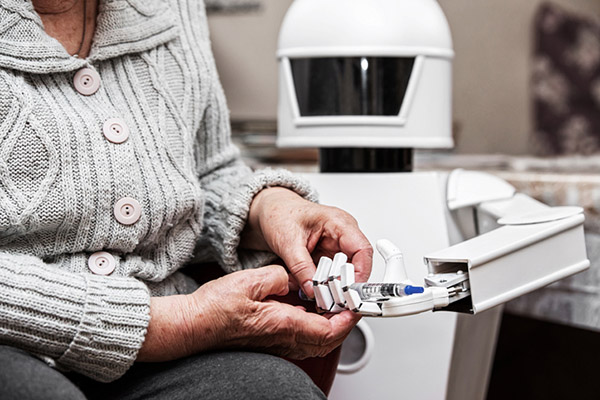
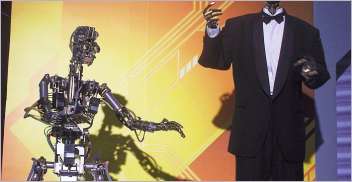
Public acceptance of home-care robots remains challenging, despite the growing need for assistance.
Get news, papers, media and research delivered. Sign up for our free newsletters.
Stay up-to-date with news and resources you need to do your job. Research industry trends, compare companies and get weekly market intelligence with Robotics 24/7.
Getty Images
Public acceptance of home-care robots remains challenging, despite the growing need for assistance.
The global population of people older than 65 is rapidly increasing the need for care. Although care robots promise to fill in for caregivers, their implementation has been slow and unsatisfactory, noted a team of international researchers. It said it has developed "the first universal model that can be employed across cultural contexts to explain how ethical perceptions affect the willingness to use care robots."
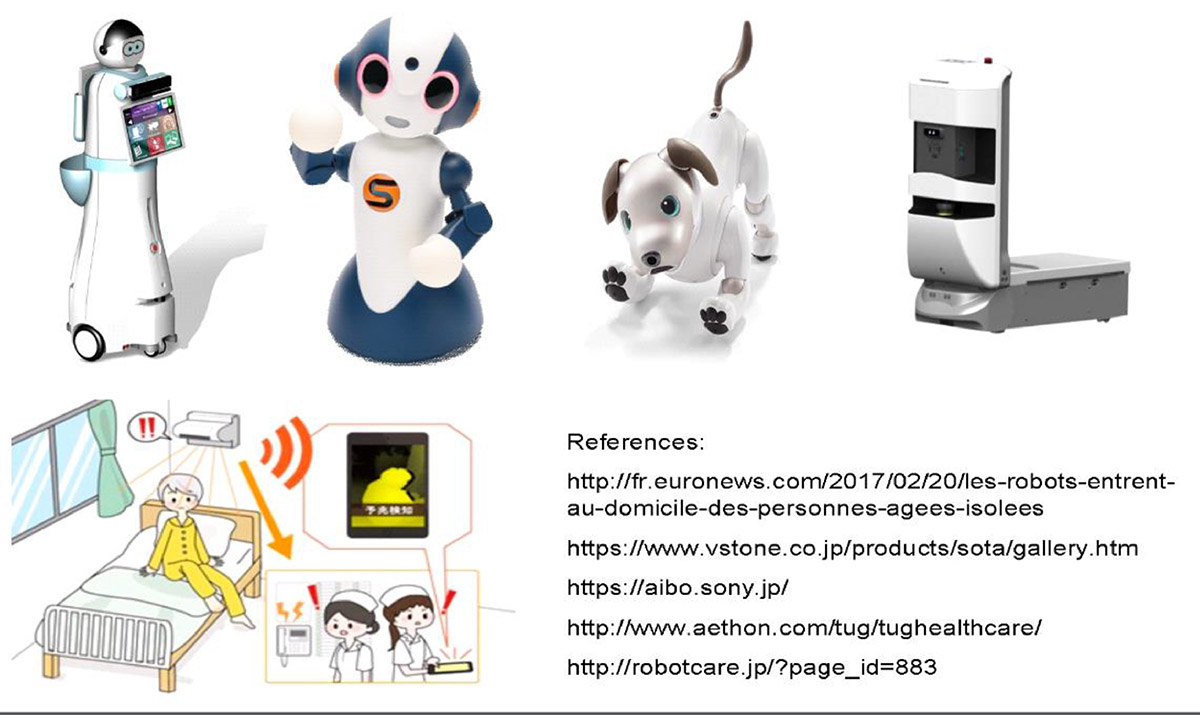
“Today, in Japan’s super-aged society, various care robots, including monitoring cameras, have been developed and marketed to compensate for the shortage of care staff and to alleviate their stress," explained Dr. Sayuri Suwa, lead author of the study.
"However, there are no discussions among users -- older people, family caregivers, and care staff -- and developers regarding the willingness to use care robots, the protection of privacy, and the appropriate use of personal information associated with the use of care robots," she said in a release. "The desire to improve this situation and to promote appropriate utilization of care robots beyond Japan was the impetus for this research.”
Suwa is a professor at the Department of Community Health Nursing in the Graduate School of Nursing at Chiba University in Japan. She specializes in the research areas of gerontological and community health nursing, focusing on dementia care, home care, and ethics on assistive technology. Suwa has more than 50 publications in reputed journals.
While countries such as Japan are experiencing declining birth rates and aging populations, impending shortages of caregivers have not yet led to rapid development and implementation of home care robots. The researchers said they suspected that ethical concerns around the use of such technologies may be obstructing their adoption.
Many acceptance models have demonstrated that the ethical perceptions of older people, their families, and professional caregivers can affect their willingness to adopt care robots, said the scientists. However, there has been no universal model that can elucidate the relationship between ethical perceptions and the willingness to use such robots across countries and cultural contexts.
To fill this knowledge gap, an international team of researchers conducted a cross-sectional study across Japan, Ireland, and Finland. The findings of their study were made available online on July 25, and will be published in January 2024 in Volume 116 of the journal Archives of Gerontology and Geriatrics.
The team developed a questionnaire that examined the ethical issues that could affect the willingness to use care robots across the three countries. The survey was conducted between November 2018 and February 2019 among older people, their family caregivers, and professional caregivers.
This study was also reviewed by multiple ethical committees in all three countries. The researchers analyzed a total of 1,132 responses, which comprised 664 responses from Japan, 208 from Ireland, and 260 from Finland.
They found that the willingness to use care robots was highest in Japan (77.1%), followed by Ireland (70.3%), and was lowest in Finland (52.8%).
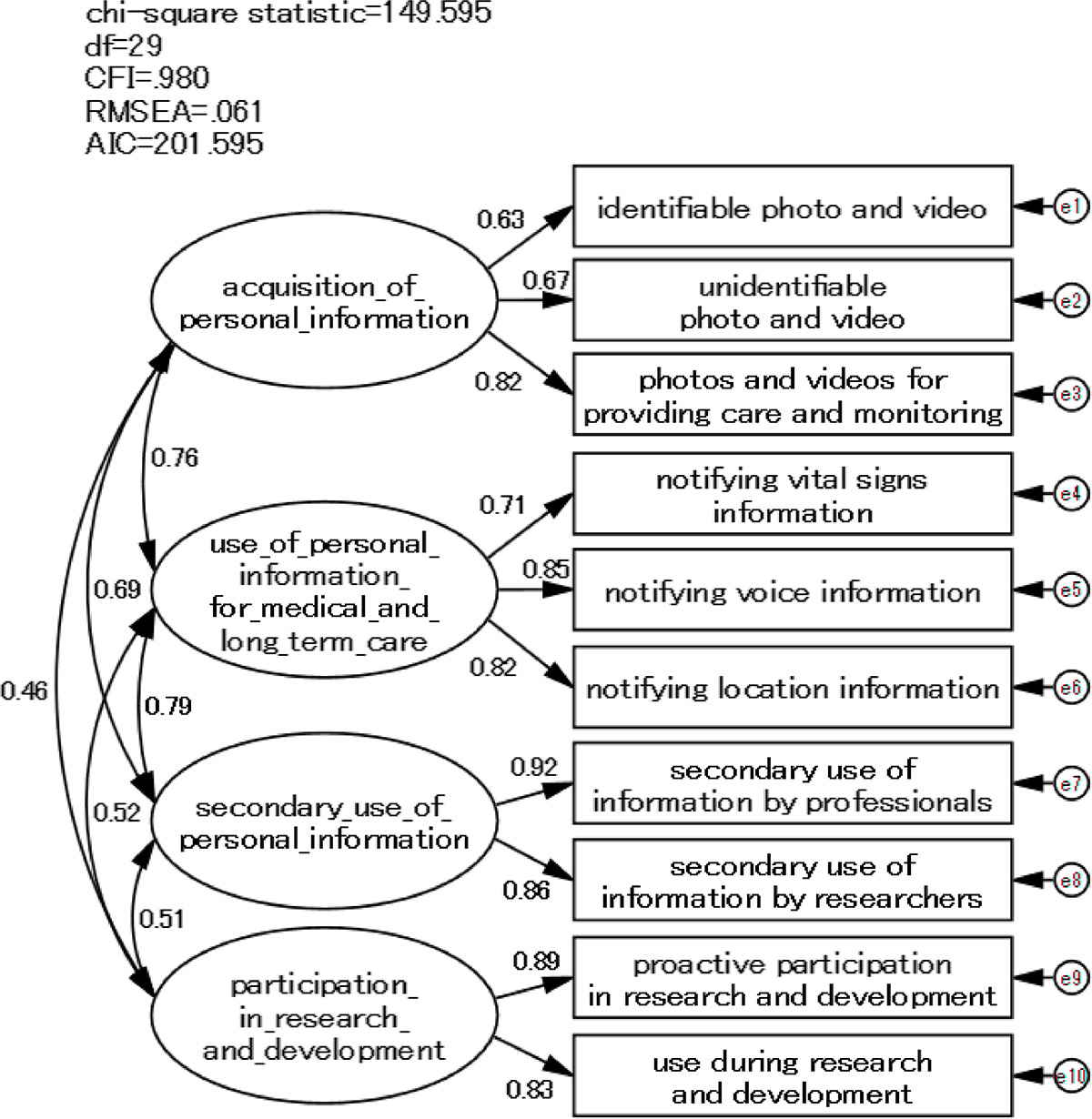
Next, the researchers developed a conceptual model and evaluated it using statistical methods.
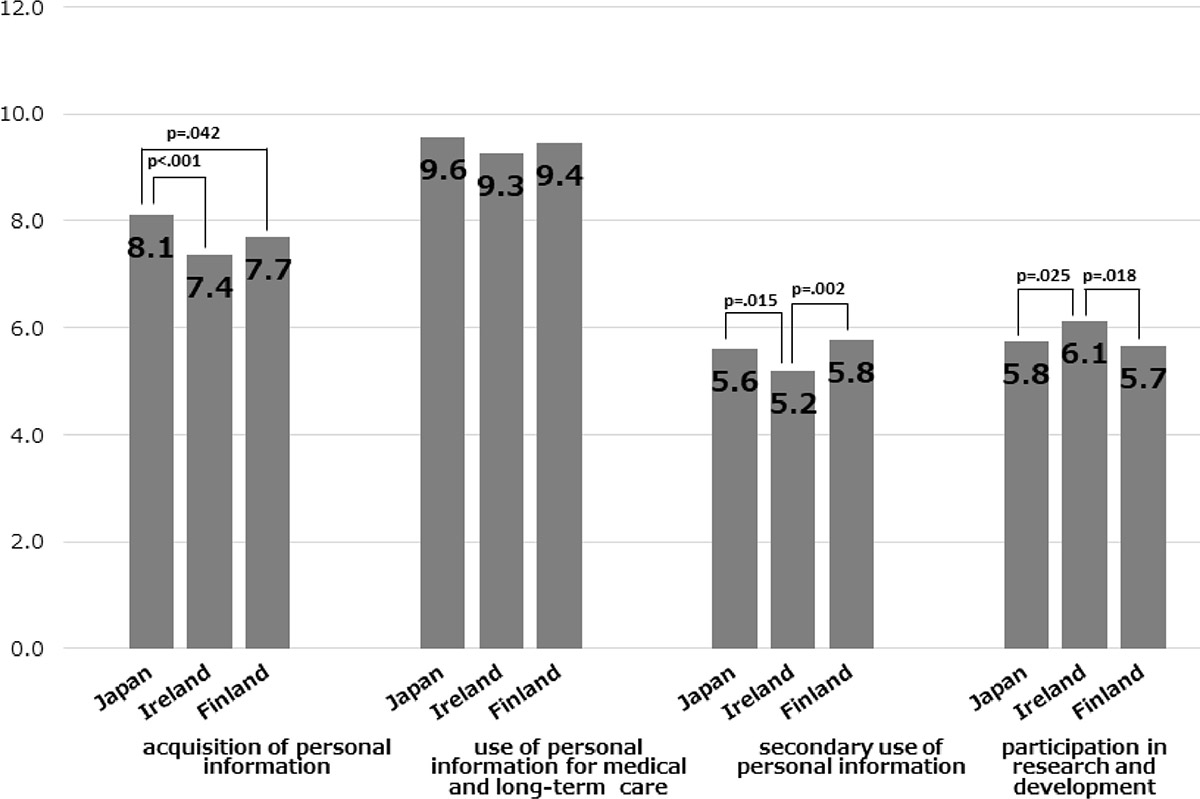
From the questionnaire, the researchers included responses to 10 items in the model, categorized into four broad domains -- acquisition of personal information, use of personal information for medical and long-term care, secondary use of personal information, and participation in research and development.
They then improved the model using Akaike’s information criterion (AIC). The model underwent incremental improvements to attain better (smaller) AIC values. The final model was then applied to each country.
The study successfully demonstrated a single universal model that could explain the correlation between ethical perceptions and social implementation of care robots across three countries with different geographies, demographics, cultures, and systems.
“From our results, we can infer that social implementation of care robots can be promoted if developers and researchers encourage potential users to participate in the development process, proposed in the form of a co-design and co-production concept," observed Suwa. "We hope that the process of developing care robots will be improved to contribute to human well-being in a global aging society.”
Title of original paper: "Developing a model to explain users’ ethical perceptions regarding the use of care robots in home care: A cross-sectional study in Ireland, Finland, and Japan"
Other authors included:
Pudu's service robot is an example of robots to help care for the elderly.
Enjoyed this article? Add Robotics 24/7 as a preferred source in Google Search.
Edge computing gives AI agents the processing power to turn instructions into…
Daimon-TWM world model debuts for the public
Platform helps robots adapt to complex tasks
Look beyond the headlines for the latest in humanoid robots