Industry City
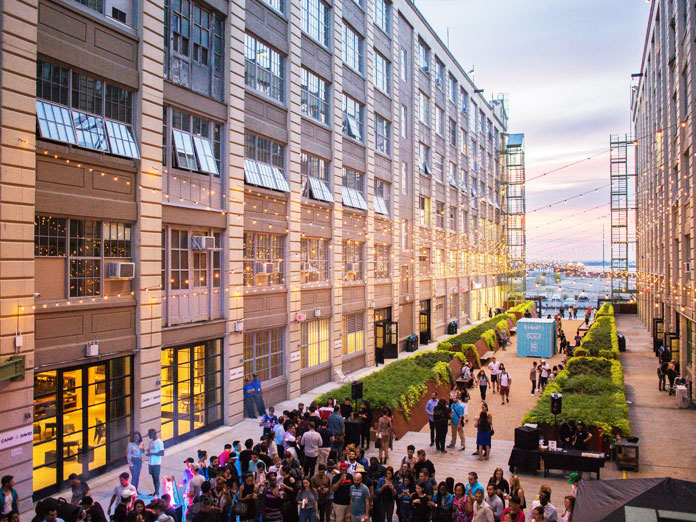
Industry City in Brooklyn is serving as a retail fulfillment innovation hub in New York City.
Get news, papers, media and research delivered. Sign up for our free newsletters.
Stay up-to-date with news and resources you need to do your job. Research industry trends, compare companies and get weekly market intelligence with Robotics 24/7.
Industry City
Industry City in Brooklyn is serving as a retail fulfillment innovation hub in New York City.
A report from the New York City Economic Development Corporation found that e-commerce is one of the fastest-growing retail subsectors in New York City, with new consumer brands launching constantly, and 2.5 million packages delivered across the city each day.
In an effort to manage this major growth, companies that manufacture, print, fulfill and automate for these brands are racing for space in the country's most competitive real estate market.
Industry City, a 35-acre creative campus in Brooklyn, serves as the innovative hub of this technological boom in NYC.
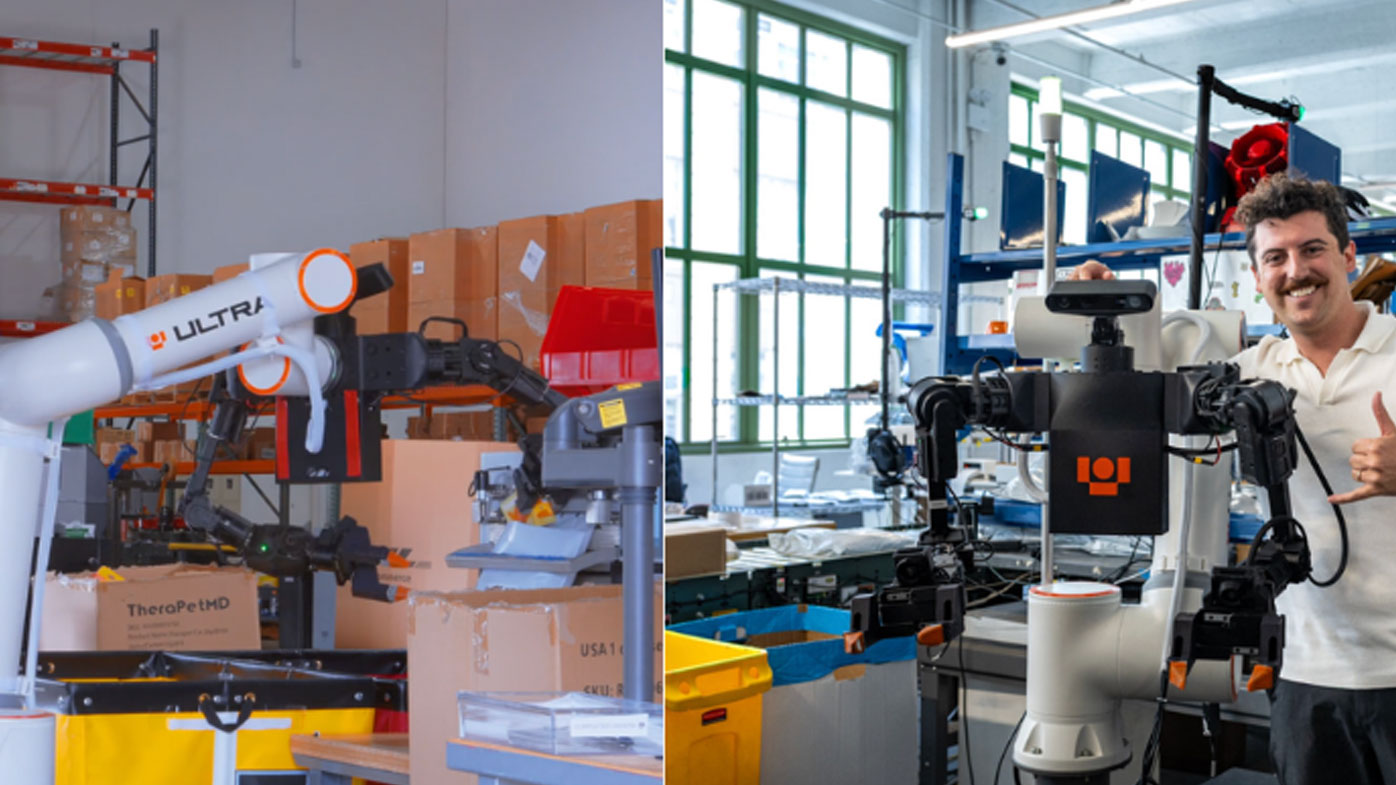
Chief among Industry City’s tenants is Highline Commerce, a third-party logistics (3PL) provider that has just expanded to 60,000 square feet in its fourth year at Industry City and is now filling up to 30% of its clients' orders with humanoid robots from fellow Industry City tenant Ultra Robotics.
According to an article published by Urban Omnibus, a publication of the Architectural League of New York, the city has become one of the most strategic places in the country to move retail goods, with Amazon alone running more than 40 facilities across the region. However, the report found that high costs have long forced growing companies out of New York at the moment they need room to scale. Industry City said that it is where a rising number of consumer brands, along with the fulfillment, robotics and logistics startups that power them, have found they can grow without leaving the city.
From this Brooklyn tech hub, Highline Commerce said that it gives more than 200 brands, including those founded by celebrities, airlines and high-profile executives, a direct-to-consumer distribution backbone they cannot build on their own. It has grown from 27,000 to 60,000 square feet at Industry City, originally choosing the campus over the Brooklyn Army Terminal and Navy Yard for its space to scale.
This room to grow placed Highline Commerce alongside Y Combinator-backed Ultra Robotics and other tech companies in the retail sector. The companies said that this is an unintended perk that has become central to how it operates. By putting Ultra's humanoid robots to work in its fulfillment process, Highline Commerce said that it has become one of the first 3PLs in the country to deploy them outside of Amazon. The robots can run 24 hours a day without breaks and today handle up to 30% of the pick, tote, scan and conveyor process that moves an order from shelf to shipment.
“For a long time, the story of New York was that you came here to sell things, not to make them," said Jeff Fein, senior vice president of Industry City. "That's changing. The most physical, complex work companies do is happening inside the city itself. Manufacturing, fulfillment and robotics are becoming New York industries again. And not just for retail.”
Industry City said that it has over 700 companies and 8,500 daily workers sharing the campus. It said that this has resulted in complementary companies coming together to collaborate, test and iterate onsite faster than if the companies were across a dispersed supply chain.
Highline Commerce and Ultra Robotics are examples of this, having tested the very first robots live, in real production, rather than in a decentralized lab.
“New York is in the middle of an e-commerce golden age, and brands are launching faster than the logistics world can support them," said Richard Hurley, founder and CEO of Highline Commerce. "Serving them doesn't just take a village, it takes a place like Industry City, where on-site manufacturing, printing, fulfillment and the robots that run it all operate within feet of one another. None of that could happen in Silicon Valley, where the real estate alone would price everyone out. Being surrounded by founders and other tech companies has changed how we operate, and it's part of why brands that came to us with a handful of orders are now doing up to $50 million a year."
Before moving to Industry City, Highline Commerce was based in Chelsea, and the company said that it was paying roughly twice as much for less space. Highline Commerce said that Industry City’s campus is more than just an affordable workspace. Its purpose-built for the high-demands of creating, which means abundant loading docks, oversized freight elevators, 200-pound floor loads for hardware and abundant three-phase power and gas, all ready for heavy prototyping and production. Industry City’s enterprise-grade connectivity spans more than 35 carriers and ISPs, plus dark fiber cabling, across the campus.
Enjoyed this article? Add Robotics 24/7 as a preferred source in Google Search.
Edge computing gives AI agents the processing power to turn instructions into…
Daimon-TWM world model debuts for the public
Platform helps robots adapt to complex tasks
Look beyond the headlines for the latest in humanoid robots