Machine learning (ML) is a branch of artificial intelligence in which computer systems learn patterns from data and use those patterns to make predictions, classifications or decisions without being explicitly programmed for every possible situation. Assumptions by the people building data sets or models can cause AI bias.
In robotics, machine learning can be used for perception, object recognition, navigation, grasping, motion planning, prediction, and control. Common approaches include supervised learning, unsupervised learning, reinforcement learning and imitation learning.
Machine learning is an important foundation for modern robotics because it can allow robots to handle greater variation than systems based entirely on predefined rules.
However, the type and quality of training data, the robot's sensors and hardware, and the operating environment all influence performance.
Related terms: Deep Learning, Reinforcement Learning, Imitation Learning, Neural Network, Physical AI
Get news, papers, media and research delivered. Sign up for our free newsletters.
Stay up-to-date with news and resources you need to do your job. Research industry trends, compare companies and get weekly market intelligence with Robotics 24/7.
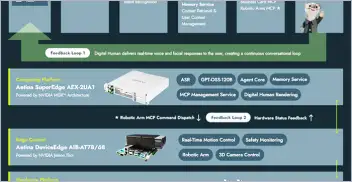
Edge computing gives AI agents the processing power to turn instructions into…
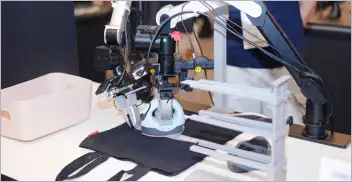
Daimon-TWM world model debuts for the public
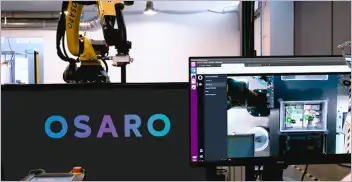
Platform helps robots adapt to complex tasks
Look beyond the headlines for the latest in humanoid robots