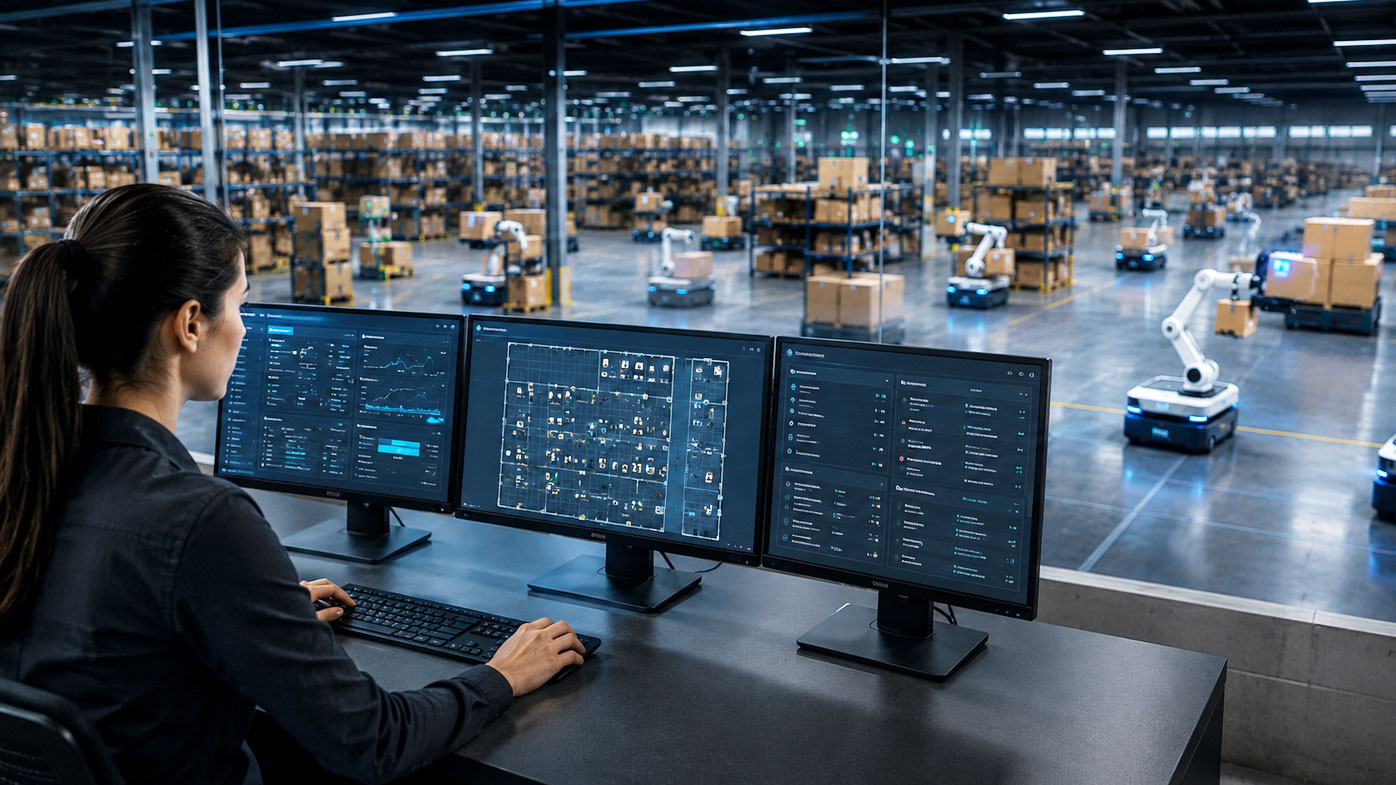
Robotics orchestration is the coordination of multiple robots, automated systems, software applications, equipment, and people so they operate as a unified workflow.
Rather than optimizing one machine in isolation, a robotics orchestration platform is software that coordinates different robots, automated equipment, software systems and other resources across a shared operation.
It can assign and sequence tasks, manage shared resources, resolve conflicts, coordinate equipment and adjust workflows as conditions change.
In a modern warehouse, for example, orchestration could coordinate AMRs, conveyors, sortation equipment, AS/RS systems, workers, and warehouse software.
Unlike a fleet-management system that may focus primarily on one type or vendor's robot fleet, an orchestration platform can provide a higher-level layer for coordinating multiple vendors, robot types, equipment categories and form factors.
The goal is to optimize the overall workflow rather than allowing each automation system to optimize only its own performance.
Related terms: WES, Fleet Management, WMS, Physical AI
Get news, papers, media and research delivered. Sign up for our free newsletters.
Stay up-to-date with news and resources you need to do your job. Research industry trends, compare companies and get weekly market intelligence with Robotics 24/7.
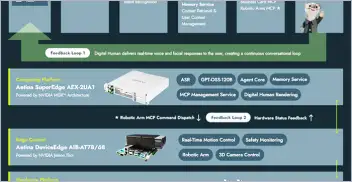
Edge computing gives AI agents the processing power to turn instructions into…
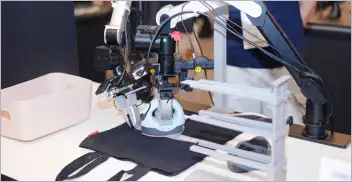
Daimon-TWM world model debuts for the public
Platform helps robots adapt to complex tasks
Look beyond the headlines for the latest in humanoid robots