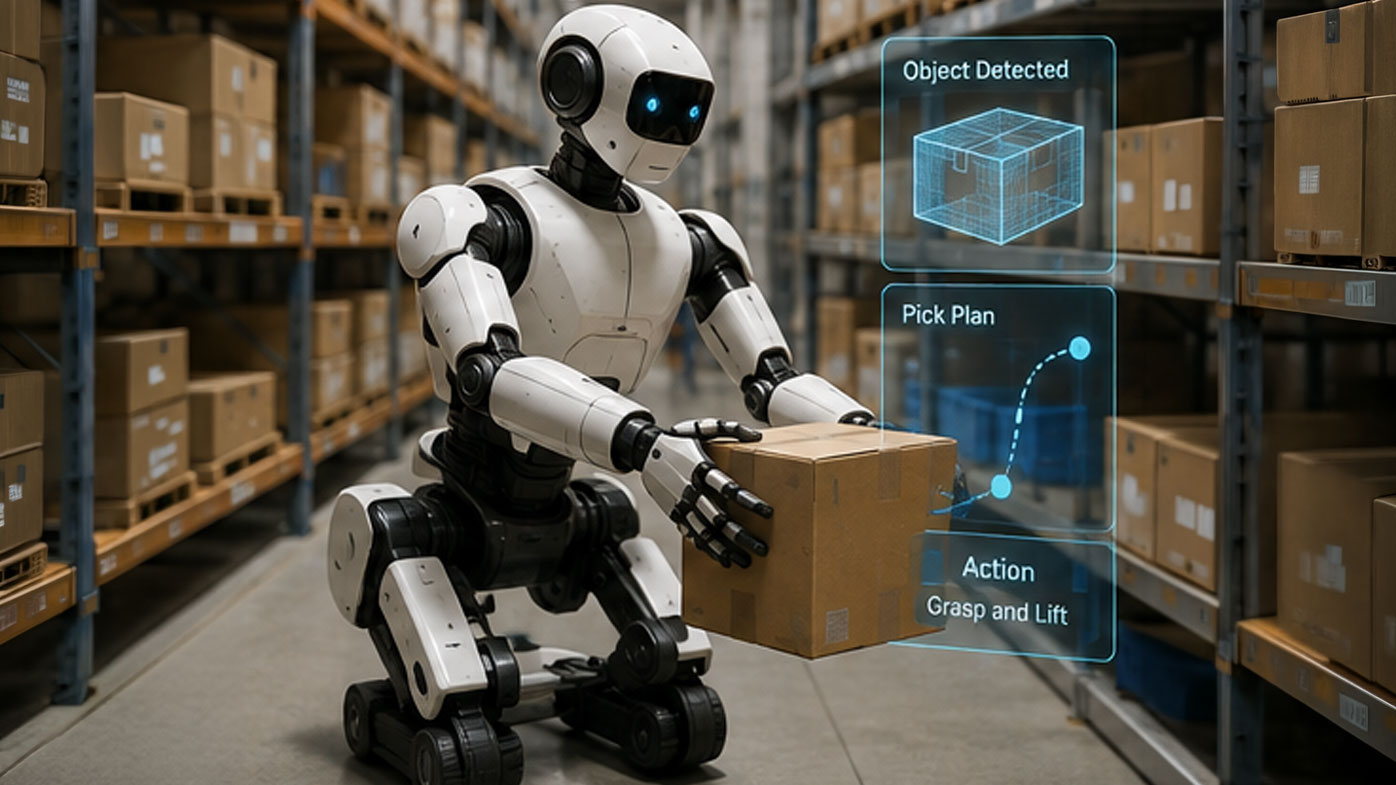
Physical AI refers to artificial intelligence systems that perceive, reason about and act in the physical world through robots, machines, vehicles or other embodied systems.
Unlike software-only AI, physical AI must interact with real-world environments where objects have physical properties, conditions can change unexpectedly and actions can have physical consequences.
In robotics, physical AI can encompass perception, decision-making, planning, manipulation, navigation and control. The term is increasingly associated with efforts to develop robots that can generalize across tasks and environments rather than executing only narrowly programmed behaviors.
Physical AI has become a major term in robotics as AI systems increasingly move from digital environments into factories, warehouses, and other physical settings.
Related terms: Agentic AI, Machine Learning, VLA, Humanoid Robot, Imitation Learning
Get news, papers, media and research delivered. Sign up for our free newsletters.
Stay up-to-date with news and resources you need to do your job. Research industry trends, compare companies and get weekly market intelligence with Robotics 24/7.
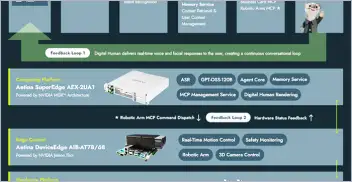
Edge computing gives AI agents the processing power to turn instructions into…
Daimon-TWM world model debuts for the public
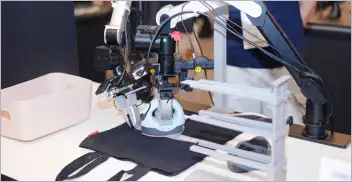
Platform helps robots adapt to complex tasks
Look beyond the headlines for the latest in humanoid robots