By
Eugene Demaitre
August 22, 2021
Getty Images
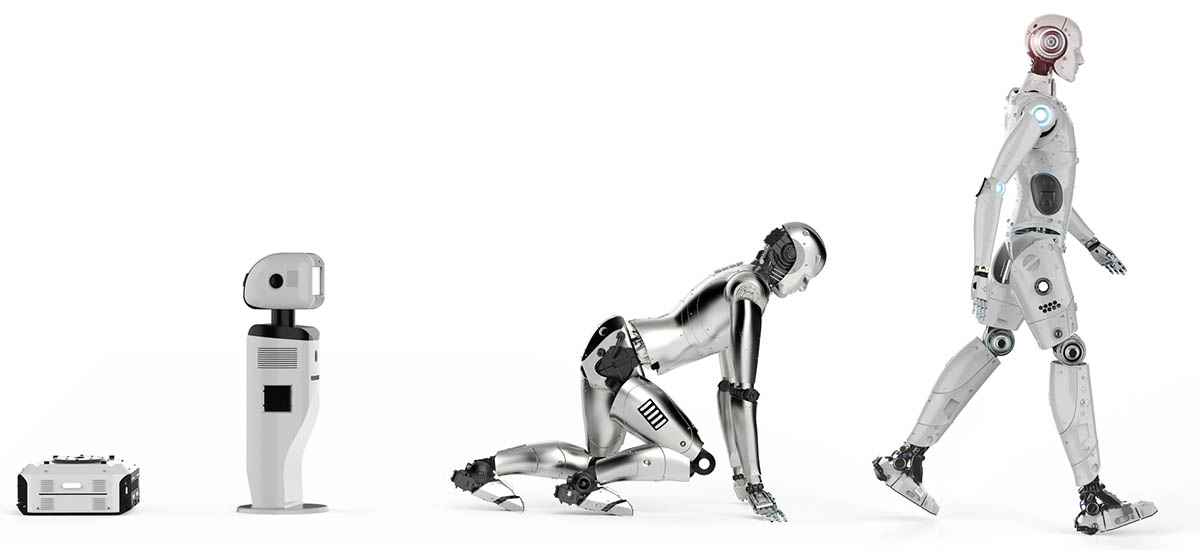
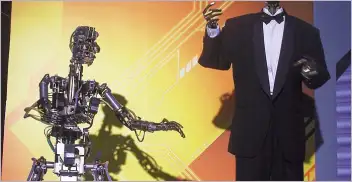
Humanoid robots are still in development. Source: Getty Images
Get news, papers, media and research delivered. Sign up for our free newsletters.
Stay up-to-date with news and resources you need to do your job. Research industry trends, compare companies and get weekly market intelligence with Robotics 24/7.
Getty Images
Humanoid robots are still in development. Source: Getty Images
Most people take it for granted, but bipedal locomotion is complicated and difficult to replicate in robots. After years of development, legged robots are beginning to step out, with more in the works. However, decades of science fiction movies have shaped the public's view of robots, so it may be a while before the reality meets expectations.
As the recent cessation of SoftBank's Pepper service robot line shows, most humanoids are not yet rugged, dexterous, or affordable enough to be commercially viable or useful for multiple tasks. Combining locomotion, a humanoid design, mobile manipulation, and a smooth user interface is a still a tall order.
As with the concept of multipurpose household robots, the hardware of humanoids would need artificial general intelligence (AGI) to be able to generalize lessons and be flexible and capable. Today, researchers and developers expect to distribute the computing for AI between the cloud and edge devices.
Many androids are designed for human-machine interaction, and some are more lifelike than others. It's worth noting that the ones that are closest to finding commercial value are those that are less interested in closely replicating the human form and more focused on specific tasks, such as package handling or therapy.
Boston Dynamics' video of its Atlas robot doing parkour over an obstacle course in the company's headquarters in Waltham, Mass., was all the rage last week (see below). It's a marvel of modern engineering, but it's not the only humanoid walking around in search of prospective applications or customers.
The global market for humanoid robots will experience a 40% compound annual growth rate between 2017 and 2024, with the Asia-Pacific region leading, predicts Market Insight Reports. Note that the growth is large because it is starting from a relatively small initial number of units.
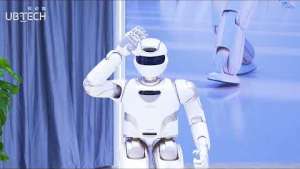
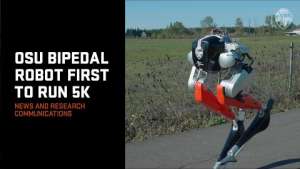
In the near term, humanoid robots are more likely in specific hospitality, logistics, and healthcare settings than in more dynamic environments. Here are 10 robots to watch in addition to Boston Dynamics' Atlas.
Also check out our 2025 slideshow update of advancements in humanoid robot development.
Boston Dynamics' Atlas demonstrates its agility.

Eugene Demaitre was editorial director of Robotics 24/7. Prior to joining Peerless Media, he was a senior editor at Robotics Business Review and The Robot Report. Demaitre has also worked for BNA (now part of Bloomberg), Computerworld, and TechTarget. He has participated in numerous robotics-related webinars, podcasts, and events worldwide.
Enjoyed this article? Add Robotics 24/7 as a preferred source in Google Search.
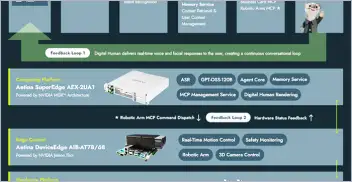
Edge computing gives AI agents the processing power to turn instructions into…
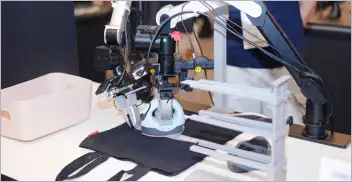
Daimon-TWM world model debuts for the public
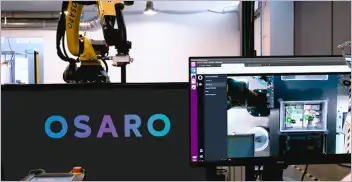
Platform helps robots adapt to complex tasks
Look beyond the headlines for the latest in humanoid robots