Sponsored

Get news, papers, media and research delivered. Sign up for our free newsletters.
Stay up-to-date with news and resources you need to do your job. Research industry trends, compare companies and get weekly market intelligence with Robotics 24/7.
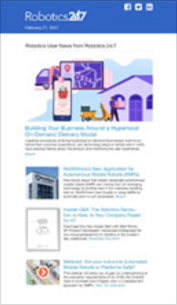
In that same report, CBRE states that the average cost to return a $50 item is as much as 66% of the original sales price – up from 59% in 2020. That means greater pressure on already-thin profit margins and the risk that a successful, if challenging, peak season grows less successful over time.
For sellers, that means time is of the essence. The longer it takes to get product back onto warehouse shelves, the larger the discount required to re-sell that item, especially in fashion categories with less than 90-day cycles. So, getting returns back into active, available inventory is critical to loss mitigation.
With that, not everyone approaches returns the same way. Restocking strategies are often designed to meet one of two scenarios: optimize for speed and/or capacity or optimize for maximum residual value of the product.
In focusing on speed and/or capacity, operations – especially smaller operations with low price point products– choose to liquidate or dispose of returns to eliminate restocking, processing costs and facility congestion. The operation may know it’s leaving money on the table but lacks the resources to improve the returns process.
When focusing on maximum residual value, the challenge is allocating facility costs and operations time to inspect and disposition. In this scenario, the extreme bias is to disposition everything to maximize value.
No matter what restocking strategy you choose, after sorting returns many operations rely on manual processes for putaway. Products are stored in cages until they fill up. Then, associates load up carts and push them through the warehouse to put product back on the shelves. Processing returns this way can be an inefficient use of valuable warehouse space, a suboptimal use of associates, and an enormous cost.
So, with a flood of products headed back to warehouses and a race against the clock to restock, how can operations improve their returns process?
6 River Systems and our collaborative mobile robot, Chuck (already used for picking) help to make the returns process less strenuous and time consuming.
Returns are staged in totes (different products can be in the same tote) ready to be placed on Chuck. Then, the associate meets up with Chuck, scans their badge, and follows as Chuck autonomously directs them to the first task – replacing cumbersome push carts and improving worker safety. Ensure putaway accuracy through scanning as well as confirmation and exception information sent to the WMS.
With 6 River Systems’ returns putaway, sellers can get product back on the shelf more quickly, more profitably and keep their fulfillment operation running smoothly.
With short product cycles and high ecommerce return rates, operators need the agility to maximize sale value on returns, especially when they occur late in the cycle. 6 River Systems (6RS) retrieves information from the returns management system to help operators put away and resell returned products quickly and profitably.
Enjoyed this article? Add Robotics 24/7 as a preferred source in Google Search.
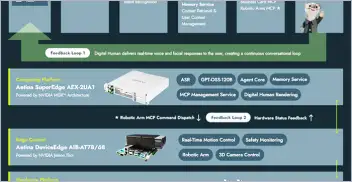
Edge computing gives AI agents the processing power to turn instructions into…
Daimon-TWM world model debuts for the public
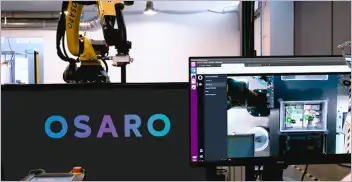
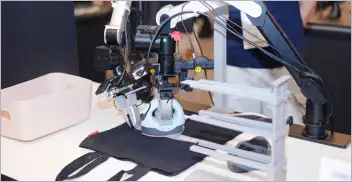
Platform helps robots adapt to complex tasks

Look beyond the headlines for the latest in humanoid robots