Hirebotics
At IMTS 2026, Hirebotics unveiled new extensions to its cobot systems that give manufacturers greater flexibility to automate conveyor-based finishing operations and projects requiring large parts.
Get news, papers, media and research delivered. Sign up for our free newsletters.
Stay up-to-date with news and resources you need to do your job. Research industry trends, compare companies and get weekly market intelligence with Robotics 24/7.
Hirebotics
At IMTS 2026, Hirebotics unveiled new extensions to its cobot systems that give manufacturers greater flexibility to automate conveyor-based finishing operations and projects requiring large parts.
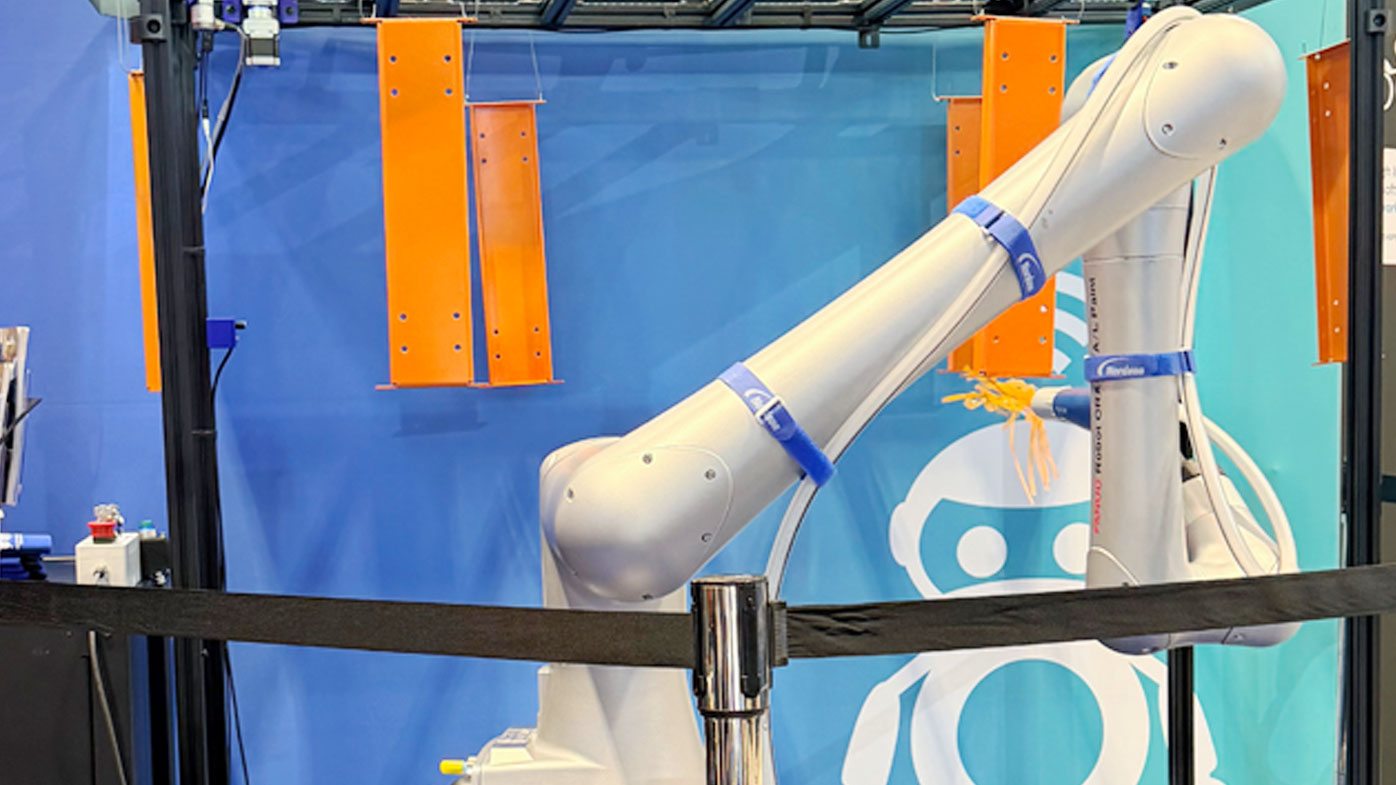
Hirebotics unveiled new extensions to its collaborative robot (cobot) systems that the company said enable manufacturers to paint moving parts and reach large, difficult-to-handle materials and assemblies without changing existing workflows.
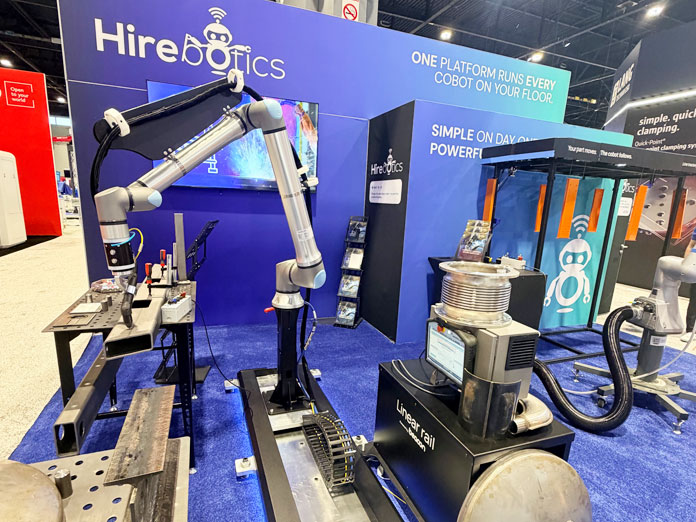
At IMTS 2026 in Chicago, Hirebotics showcased line tracking for its Cobot Painter and modular linear rail capabilities for its family of cobot systems.
The company said that these capabilities extend the working range of the cobots, giving manufacturers greater flexibility to automate conveyor-based finishing operations and projects requiring large parts while keeping the cobot experience simple, approachable and easy to deploy.
For facilities where parts already travel through painting or finishing on a conveyor, Hirebotics said that requiring every part to stop or be removed for a stationary painting process can add handling, interrupt production flow and make automation harder to implement. The company said that line tracking allows the Cobot Painter to follow the movement of a part and maintain its programmed painting path while the conveyor continues running. A sensor detects the arriving part and starts the operation automatically.
“Manufacturers shouldn’t have to redesign their work around the physical limitations of automation; it should work with the line they already have,” said Matthew Bush, co-founder and CEO, Hirebotics. “We have seen customers get incredibly creative in how they mount and configure cobots to reach the work they need to automate, but there are still plenty of manufacturers dealing with large, heavy or awkward parts who have ruled out cobots completely. By removing the fixed-position limitation and extending the reach of the cobots through the linear rails or the line tracker or both, manufacturers can accomplish their work without changing the experience that made these cobots approachable in the first place.”
While traditional robotic line-tracking systems can require specialized programming and integration, Hirebotics said that its offering operates within the same no-code, cloud-based Beacon platform experience used to teach and run the Cobot Painter.
The company said that line tracking enables the Cobot Painter to:
“If parts already move through finishing on a line, manufacturers shouldn't have to stop that process just to accommodate the robot,” Bush said. “Line tracking allows the Cobot Painter to work with the way production already moves, while Beacon keeps setup approachable for the people actually running it.”
Hirebotics said that manufacturers rarely work with the same size parts that fit neatly within a single standardized robotic work envelope. While a Hirebotics cobot has a 68.9-inch reach, the company said that, for example, moving a 12-foot frame, a 20-foot structural assembly or a large weldment extends well beyond that envelope.
Hirebotics said that its customers already use configurations such as magnetic Magswitch mounting, inverted mounting and headstock-tailstock positioners to adapt their cobots to different applications. The company said that its new linear rail, available in 5-foot increments or custom lengths, adds another option by allowing the cobot to move along the length of a large workpiece and reach the next section of weldment or other process locations without repositioning the part.
Hirebotics said that some key features of its new linear rail include the ability to:
“Adding line tracking and linear travel to our cobot systems should change how manufacturers think about deploying cobots for more difficult-to-automate tasks,” Bush added. “Instead of bringing large, cumbersome parts into the robot’s fixed work envelope or needing advanced programming traditionally required for conveyor-based finishing operations, they now have the flexibility cobots promise without adding unnecessary complexity to the application. Simplifying this process without forcing the application to fit the robot’s capabilities has been Hirebotics’ goal from the start.”
Enjoyed this article? Add Robotics 24/7 as a preferred source in Google Search.
Edge computing gives AI agents the processing power to turn instructions into…

President Trump orders a review of robotics imports over national security…
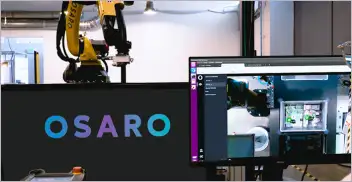
Platform helps robots adapt to complex tasks
Look beyond the headlines for the latest in humanoid robots