Pallet Handling Session
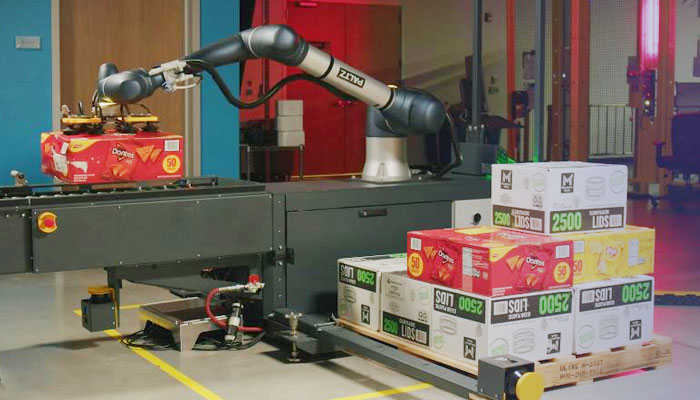



Historically, automation was primarily adopted to increase throughput and improve product quality, driven by the need for high-speed production of single-SKU outputs. End-users relied on automation to meet demand efficiently and consistently. However, today’s rapidly evolving consumer behaviors - shifting from in-store retail purchases to online shopping, and from single-item grocery buys to mixed, bulk packages - have introduced new challenges. This shift has disrupted traditional supply chains and forced end-users to rethink their automation strategies. Rather than optimizing solely for speed, companies must now focus on flexibility. Emerging automation solutions must address complex tasks such as de-palletizing and re-palletizing mixed-SKU packages to meet the growing demand for customization and fulfillment efficiency. This is the changing landscape of automation, the implications of consumer-driven logistics, and the critical need for adaptable, intelligent systems in the modern fulfillment environment.
The three biggest takeaways from the session will be:
This session will offer a practical lens into how smarter automation can future-proof operations, scale with unpredictability and deliver faster payback in today’s dynamic supply chain environment.