The race to secure warehouse labor is on, and everyone from the single-location fulfillment center to the huge, international parcel carrier is in the fight right now. Companies like UPS, FedEx and DHL hired more than 200,000 workers in North America in 2020, and that trend will likely continue in 2021.
These and other high-profile hiring announcements come right at a time when constrained labor availability, concerns over COVID-19 exposure, and social distancing requirements are impacting fulfillment operations nationwide.
To further exacerbate this dilemma, customer expectations around delivery time have drastically increased over the last few years. With Amazon as the number-one online retailer offering free one-day shipping–and, most recently, two-hour shipping–consumers expect their packages to arrive immediately and free of charge.
This shift in expectations has raised the bar for fulfillment: If companies can’t keep up with Amazon’s standards, for example, they risk losing market share to competitors that can.
Prior to the pandemic, retail, e-commerce, and business-to-business (B2B) fulfillment operators were increasingly turning to collaborative mobile robots to gain operational flexibility to support growth and contain labor requirements. The pandemic accelerated the surge of automation needs.
Fill out the information below to download this resource
New research highlights the labor strategies warehouse and distribution center operators can utilize to achieve fulfillment excellence.
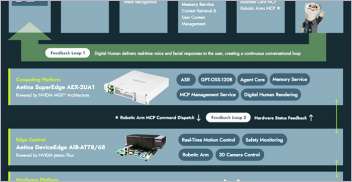
Edge computing gives AI agents the processing power to turn instructions into…

Daimon-TWM world model debuts for the public

Platform helps robots adapt to complex tasks

Look beyond the headlines for the latest in humanoid robots