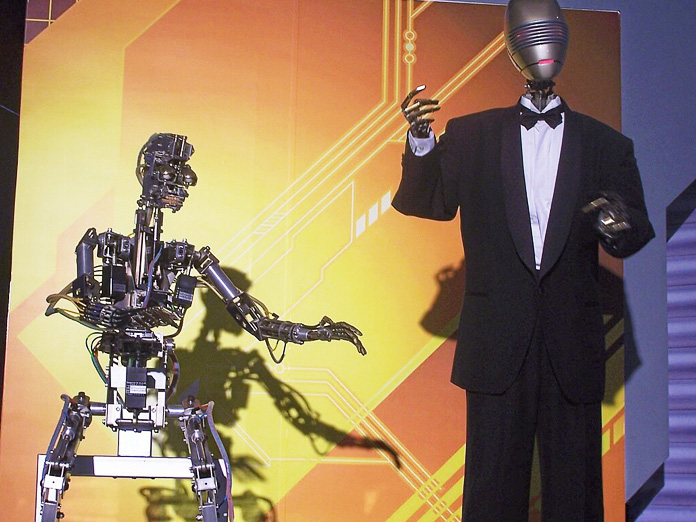
Used with permission via Wikimedia Commons
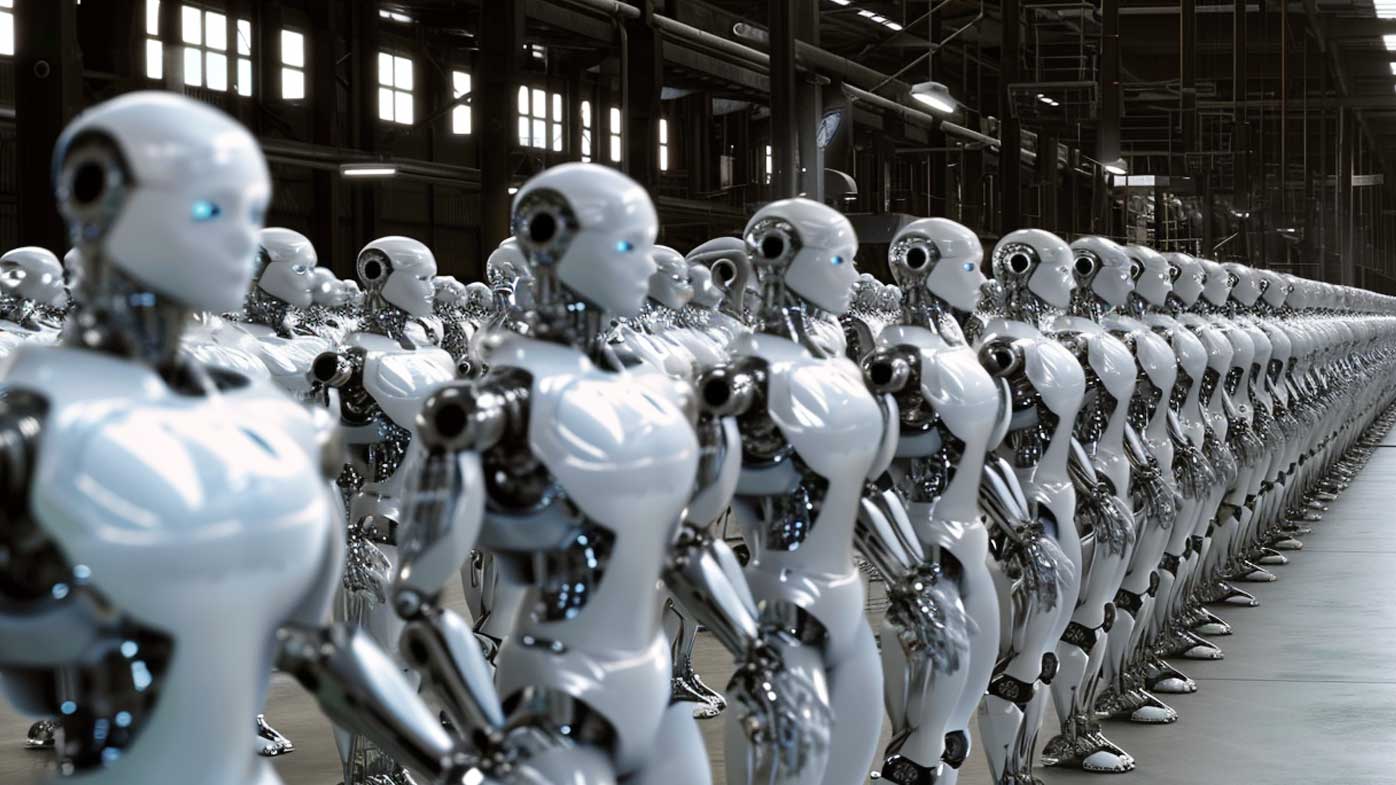
Gartner research suggests that humanoids are more hype than hope for supply chain and manufacturing deployments.
Get news, papers, media and research delivered. Sign up for our free newsletters.
Stay up-to-date with news and resources you need to do your job. Research industry trends, compare companies and get weekly market intelligence with Robotics 24/7.
Used with permission via Wikimedia Commons
Gartner research suggests that humanoids are more hype than hope for supply chain and manufacturing deployments.
Through 2028, fewer than 100 companies will progress humanoid robot proofs of concept beyond experimentation, with fewer than 20 companies going live in production for supply chain and manufacturing use cases, according to new research from Gartner.
The business and technology insights company said that most production deployments of humanoid robots during this time will remain limited to tightly controlled environments, rather than in dynamic and high-throughput supply chain operations.
Gartner said that while humanoids are attracting attention from chief supply chain officers (CSCOs) seeking solutions to workforce challenges and rising labor costs, its research indicates that the hype surrounding humanoid robots is outpacing their readiness for large-scale deployment.
“The promise of humanoid robots is compelling, but the reality is that the technology remains immature and far from meeting expectations for versatility and cost-effectiveness,” said Abdil Tunca, senior principal analyst in Gartner’s Supply Chain practice. “CSCOs must carefully evaluate readiness and avoid overcommitting resources to solutions that cannot yet deliver on their potential.”
While the humanoid form factor offers certain advantages, Gartner notes that alternative designs - such as polyfunctional robots equipped with wheels or sensors in unconventional placements - may provide superior performance and adaptability for supply chain operations.
Despite their potential, Gartner said that humanoid robots face significant barriers to supply chain, logistics and manufacturing adoption:
Unlike humanoid robots, Gartner said that polyfunctional robots are optimized for flexibility without being constrained by human-like design. For example, Gartner said that a polyfunctional robot with wheels and a telescopic arm can move boxes, pick cases, scan inventory, and perform inspections usually with higher uptime and using less energy than a humanoid that is attempting the same tasks. Gartner added that polyfunctional robots can integrate features that enhance efficiency and durability, making them better suited for dynamic supply chain environments.
“Companies with a high risk appetite and focus on innovation are the best candidates for pursuing humanoid robots at present, given the unproven capabilities of these solutions, and related lack of clarity for return on investment,” said Caleb Thomson, senior director analyst in Gartner’s Supply Chain practice. “For the majority of companies that will need to prioritize robots that maximize throughput-per-dollar invested, we expect polyfunctional robots to be the superior solution.”
To navigate robotics investment decisions effectively, Gartner advises CSCOs to:
Prioritize outcome-driven automation that targets specific bottlenecks, rather than generalized “headcount reduction” strategies, which is also less risky from an investment standpoint.
GENISOM AI makes ICRA debut at conference in Vienna

World's first omni-modal evaluation including tactile sensing for…

North America’s largest robotics and automation event winds down

Automate’s largest day ever draws huge crowds to McCormick Place