Used with permission via Wikimedia Commons
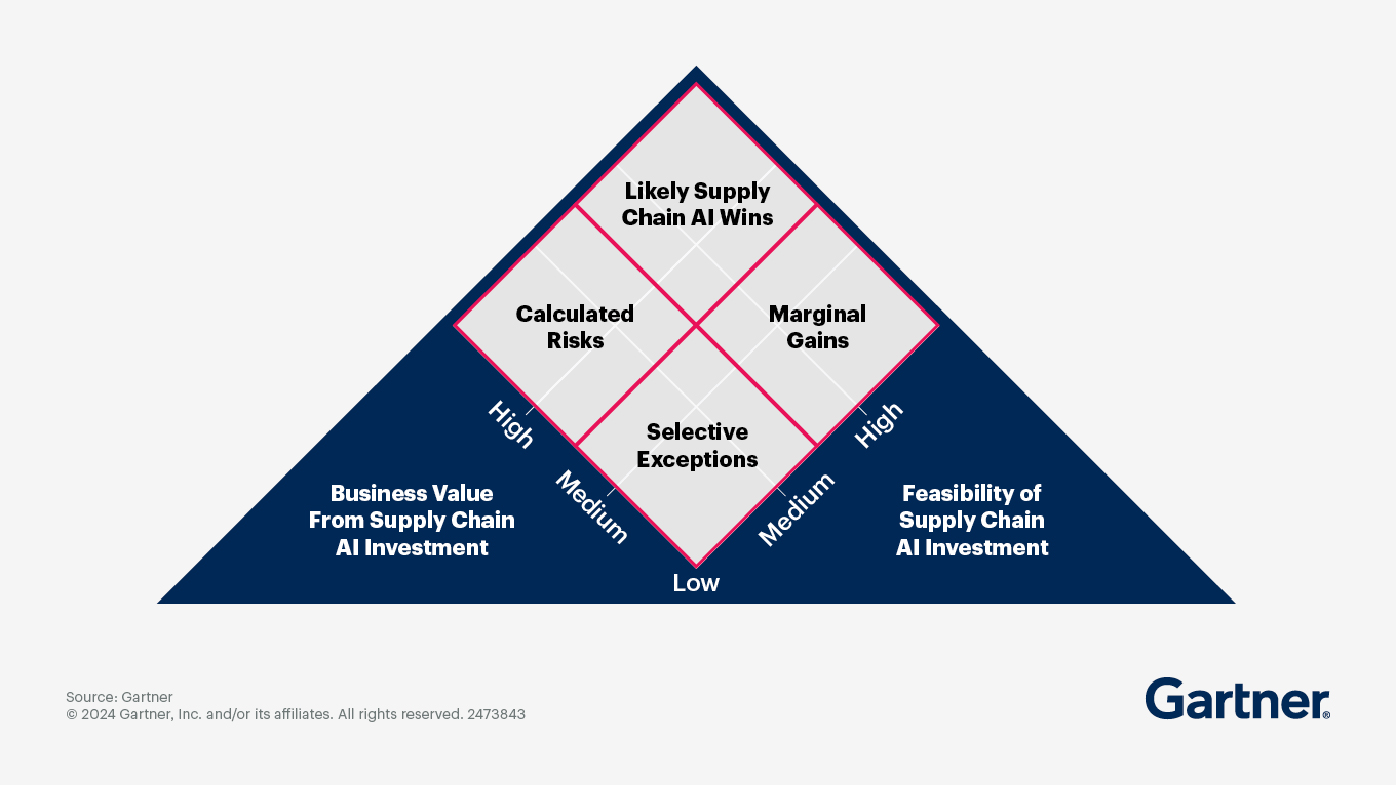
New research from Gartner predicts that half of new warehouses built in developed markets will be human-optional facilities by 2030.
Get news, papers, media and research delivered. Sign up for our free newsletters.
Stay up-to-date with news and resources you need to do your job. Research industry trends, compare companies and get weekly market intelligence with Robotics 24/7.
Used with permission via Wikimedia Commons
New research from Gartner predicts that half of new warehouses built in developed markets will be human-optional facilities by 2030.

As MODEX 2026 in Atlanta begins, new research from Gartner’s Supply Chain practice found that by 2030, 50% of new warehouses in developed markets will be designed as “robot-centric” facilities, with humans being optional.
As warehouse workers become less willing to perform manual tasks, Gartner said that many organizations will be challenged to sustain operations through hiring alone, as labor costs and labor supply remain under significant pressure for most of the year.
In response, Gartner said that chief supply chain officers (CSCOs) are accelerating the adoption of intralogistics smart robotics (ISRs) to scale operations as manual labor warehouse models become increasingly obsolete.
“AI continuously optimizes warehouse environments in real-time, shifting them from static structures into agile systems that adapt as demand changes,” said Abdil Tunca, senior principal analyst in Gartner’s Supply Chain practice. “This changes how CSCOs think about designing warehouses for scalability, from settings that primarily rely on human labor to environments that maximize the ability to orchestrate robotic fleets.”
Gartner said that the ISR market is highly fragmented and will require most companies to adopt more than one type of robot and a multi-agent orchestration platform to coordinate heterogeneous fleets of robots. As robot adoption accelerates, organizations are moving beyond retrofitting traditional facilities with automation to designing new warehouse environments. In these modern warehouses, human labor is required only for exception handling, rather than serving as the foundation of daily operations.
The research found that warehouse designs will increasingly prioritize flexibility, efficiency and adaptability to support automation-led, human-aided workflows. Gartner said that workstations, storage of goods and fulfillment workflows can be adjusted instantly based on changes in demand patterns or labor availability, allowing facilities to respond without costly physical redesigns.
Over time, Gartner said that fixed warehouse infrastructure will give way to more software‑managed environments that continuously self‑optimize. For example, Gartner said that rerouting robotic pickers to higher‑priority orders during peak demand, or reallocating tasks between humans and machines when staffing levels fluctuate, will help optimize these processes.
Gartner said that clients can read more here, and nonclients can learn more here.
Artificial Intelligence Machine Learning Autonomy Mobile Robots Industrial Automation Collaborative Robots Software Cloud and Edge Data Management Fleet Management News Press Release Fulfillment Gartner Labor Shortage Market Research Reports MODEX Orchestration Picking Research Storage
Enjoyed this article? Add Robotics 24/7 as a preferred source in Google Search.
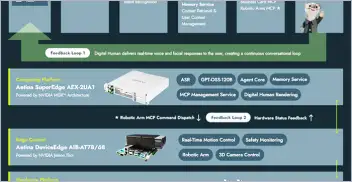
Edge computing gives AI agents the processing power to turn instructions into…

Daimon-TWM world model debuts for the public
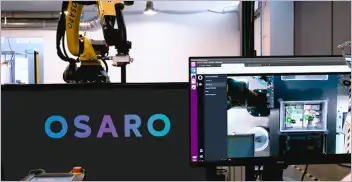
Platform helps robots adapt to complex tasks

Look beyond the headlines for the latest in humanoid robots