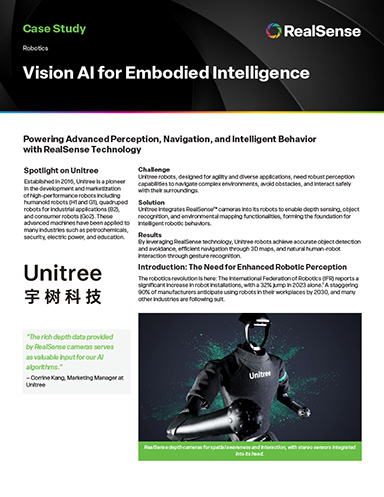
The robotics revolution is accelerating. According to the International Federation of Robotics (IFR), robot installations rose by 32% in 2023. Looking ahead, 90% of manufacturers expect to deploy robots in the workplace by 2030. That adoption is also extending across industries like petrochemicals, energy, education, and security.
As robots expand into more complex and dynamic environments, they must analyze and respond to depth and visual cues in real time. Key tasks like object detection, mapping, and localization depend on high-quality sensor input.
With stereo depth-sensing cameras integrated into their systems, modern robots gain spatial awareness to navigate, perceive, and safely interact with their environments—paving the way for intelligent, AI-powered automation.
Explore how depth-sensing technology is transforming robotics—download the full case study to see intelligent perception in action.
Fill out the information below to download this resource
Explore how advanced depth-sensing technology enhances robotic perception, obstacle avoidance, and autonomous navigation—powering safer, smarter AI-driven machines across industries.
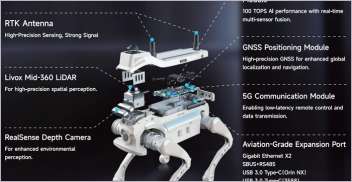
GENISOM AI makes ICRA debut at conference in Vienna
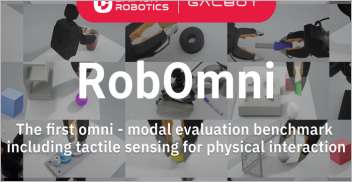
World's first omni-modal evaluation including tactile sensing for…
Ultrasonic sensing enhances robotics perception

Cybernetix Ventures’ event kicks off Robotics Tech Week 2026 slate of events