Allonic
Allonic said it is tackling robotics manufacturing with its 3D Tissue Braiding platform.
Get news, papers, media and research delivered. Sign up for our free newsletters.
Stay up-to-date with news and resources you need to do your job. Research industry trends, compare companies and get weekly market intelligence with Robotics 24/7.

Allonic
Allonic said it is tackling robotics manufacturing with its 3D Tissue Braiding platform.
Founded in Hungary, with a joint US HQ, startup Allonic raised $7.2M in pre-seed funding, led by Visionaries Club and with backing from Day One Capital, to industrialize a fundamentally new way of producing complex, dexterous robotic bodies.
The round is the largest pre-seed financing completed in Hungary to date.
While AI breakthroughs have transformed how robots operate, their physical construction has changed little from industrial-era conventions. Robotic hands, arms and manipulators are still put together piece by piece, relying on bearings, screws, cables and delicate joints that are costly to manufacture and tedious to assemble. Allonic said that as functional demands increase, so does mechanical complexity - building and scaling the right bodies that combine dexterity, robustness and human-safety is the next defining problem the industry must tackle.
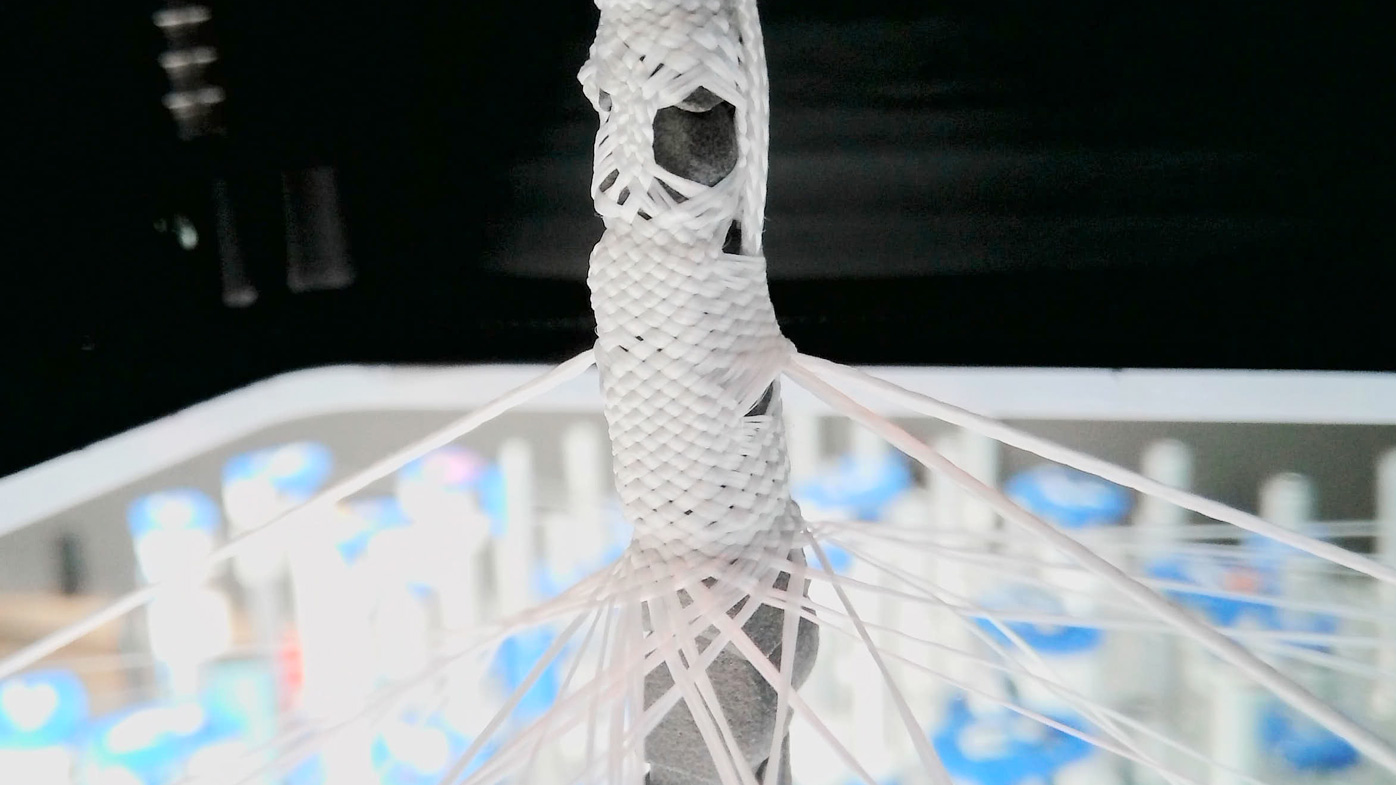
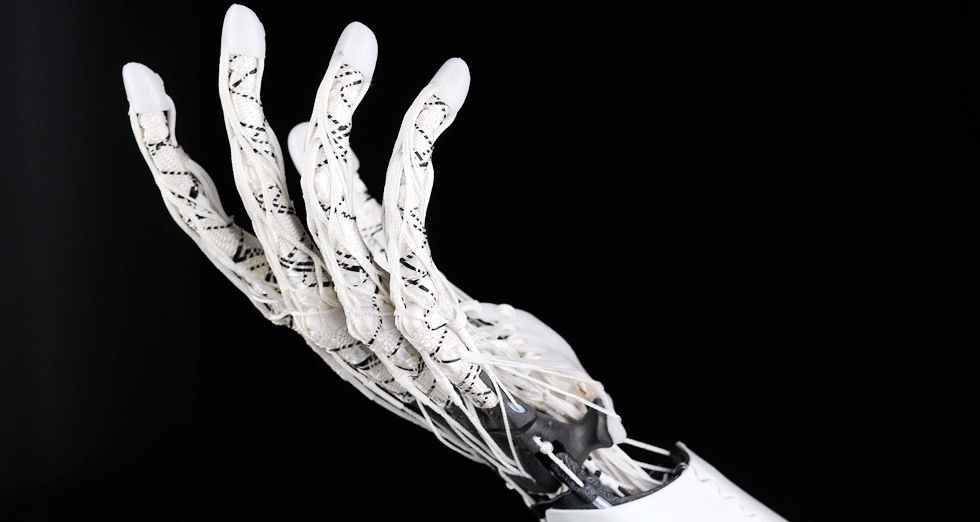
Allonic said it is attacking this challenge at the manufacturing infrastructure layer itself. Its proprietary production process, known as 3D Tissue Braiding, replaces manual assembly with a fully automated, scalable manufacturing system. Inspired by how ropes achieve strength through structure rather than rigid parts, Allonic said it 3D-weaves tailored robotic “tissues” directly over a skeletal core.
Allonic said its platform combines proprietary hardware and software that allows users to configure high-level robotic designs and translate them automatically into production code, in a process similar to slicing in 3D printing.
“A lot of attention is on intelligence and software, but hardware still holds many of the hardest problems,” says Benedek Tasi, co-founder & CEO of Allonic. “The trade-offs between durability and softness, dexterity and strength have always been dictated by the limits of manufacturing. We are removing those constraints and building a platform that allows robotics teams to design, build and iterate freely, without hardware cost or complexity holding them back.”
Since revealing its technology in May 2025, Allonic said it has already completed its first pilot project in electronics manufacturing, targeting tasks where traditional industrial robots lack the required versatility, but fully generalized robotic platforms are still impractical or prohibitively expensive, particularly at scale.
Click here to learn more about Allonic’s 3D Tissue Braiding technology.
Enjoyed this article? Add Robotics 24/7 as a preferred source in Google Search.

Edge computing gives AI agents the processing power to turn instructions into…
Daimon-TWM world model debuts for the public
Platform helps robots adapt to complex tasks

Look beyond the headlines for the latest in humanoid robots