By
Tim Culverhouse
November 2, 2025
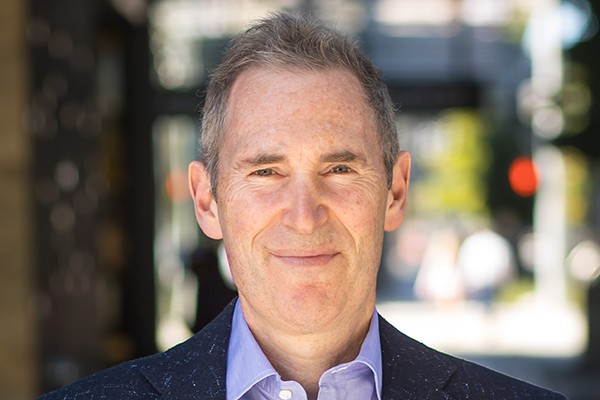
Photo with permission provided by Lisi Wolf, accessed via Wikimedia Commons
Amazon CEO Andy Jassy said that "culture" and not AI were behind the 14,000 layoffs at Amazon.
Get news, papers, media and research delivered. Sign up for our free newsletters.
Stay up-to-date with news and resources you need to do your job. Research industry trends, compare companies and get weekly market intelligence with Robotics 24/7.

Photo with permission provided by Lisi Wolf, accessed via Wikimedia Commons
Amazon CEO Andy Jassy said that "culture" and not AI were behind the 14,000 layoffs at Amazon.
In a move that resonated around the world, Amazon announced at the end of October that it would eliminate 14,000 jobs.
Initial reports suggested that AI was the driving force behind the mass layoff, with more jobs potentially on the chopping block.
AI was front and center in a public blog from Beth Galetti, senior vice president of people experience and technology at Amazon.
“This generation of AI is the most transformative technology we’ve seen since the Internet, and it's enabling companies to innovate much faster than ever before (in existing market segments and altogether new ones),” Galetti wrote. “We’re convinced that we need to be organized more leanly, with fewer layers and more ownership, to move as quickly as possible for our customers and business.”
Amazon Robotics, which deployed its millionth robot in July 2025, continues to grow alongside Amazon as a whole. Amazon’s stock was up 0.2% when the layoff news was announced.
Despite internal rumors that robots and AI will replace human jobs, Amazon CEO Andy Jassy said that AI wasn’t the driving force behind the reduction in force.
It was “culture.”
“(It was) not really financially driven, and it’s not even really AI driven, not right now,” Jassy said in response to a question during Amazon’s Q3 earnings call at the end of October. “It’s culture.”
As Amazon rapidly expanded, especially during the COVID-19 pandemic, Jassy said that the company has identified areas to cut back.
“You end up with a lot more people than what you had before, and you end up with a lot more layers … sometimes without realizing it, you can weaken the ownership of the people that you have who are doing the actual work,” Jassy said in the call, via CNN.

Tim is the Editorial Director of Robotics247.com. His mission is to provide valuable information and insights to robotics professionals and decision-makers, and to help them solve business challenges. He is a creative, deadline-driven, and detail-oriented storyteller. In addition, he is a sports broadcaster and public address announcer.
Enjoyed this article? Add Robotics 24/7 as a preferred source in Google Search.
Edge computing gives AI agents the processing power to turn instructions into…

Daimon-TWM world model debuts for the public
Platform helps robots adapt to complex tasks

Look beyond the headlines for the latest in humanoid robots