Get news, papers, media and research delivered. Sign up for our free newsletters.
Stay up-to-date with news and resources you need to do your job. Research industry trends, compare companies and get weekly market intelligence with Robotics 24/7.
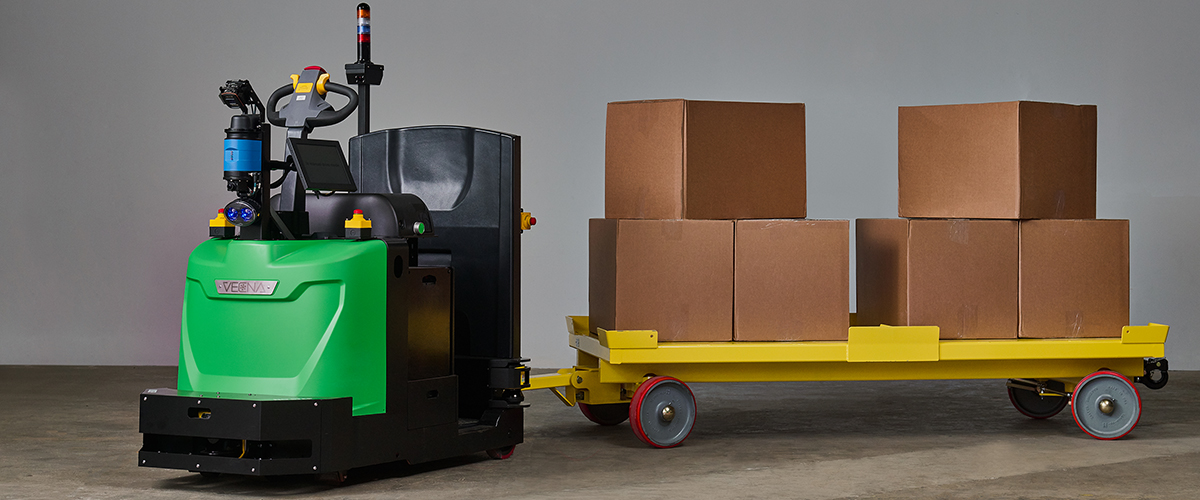
Accidents involving material-handling equipment are significantly reduced, sometimes eliminated entirely, when equipment and processes are automated.
Whether you’re using autonomous mobile robots (AMRs), automated guided vehicles (AGVs), visually guided vehicles (VGVs), or a robot by any other name, you can reduce risk of workplace injury.
In addition, you can greatly increase equipment life with the use of these automated solutions. Properly implemented safety systems embedded within robots can help to extend equipment longevity.
AMRs are subject to wear-and-tear if the systems installed in these vehicles communicate directly with the brake and power lines. This approach causes emergency shock stops, which can harm the vehicle’s systems and loosen the brakes.
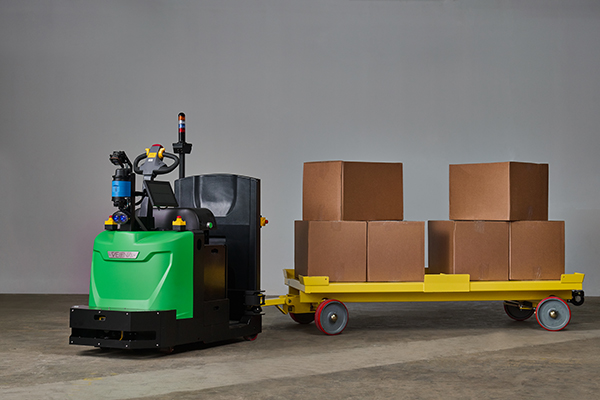
Vecna Robotics and SICK, Inc. have partnered together to create a system that maximizes throughput, warehouse density, worker safety, and equipment longevity with a Performance Level D safety system, a high-level navigation system, and advanced braking.
With this system, manufacturers can optimize their workflow, while still maintaining safety, by using a unique approach to achieving the optimal safety zone that allows for the use of thinner aisles and fewer unnecessary forced stops.
Download our guide to get an in depth look at:
Get the guide to learn more about how you can maximize safety and throughput in your facilities today with a SICK and Vecna Robotics solution!
Related White Paper
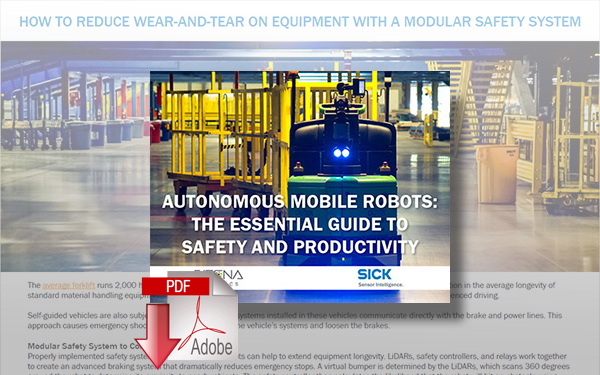
Autonomous Mobile Robots: The Essential Guide to Safety and Productivity
From production to delivery, automation is happening in all industries. Industry trends show that the use of autonomous mobile robots show no sign of slowing down. Download Now!
Autonomy Mobile Robots Components Sensors AGV Automation Mobile Robots Technology Vecna Warehouse
Enjoyed this article? Add Robotics 24/7 as a preferred source in Google Search.
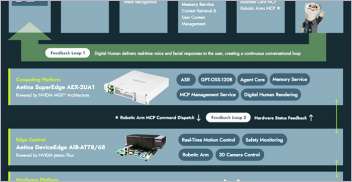
Edge computing gives AI agents the processing power to turn instructions into…
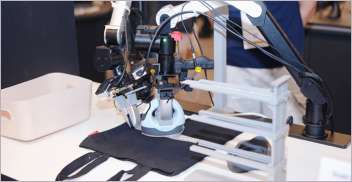
Daimon-TWM world model debuts for the public
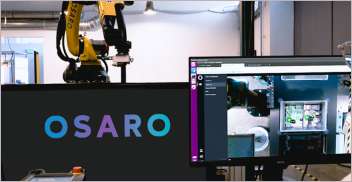
Platform helps robots adapt to complex tasks

Look beyond the headlines for the latest in humanoid robots