Starship Technologies
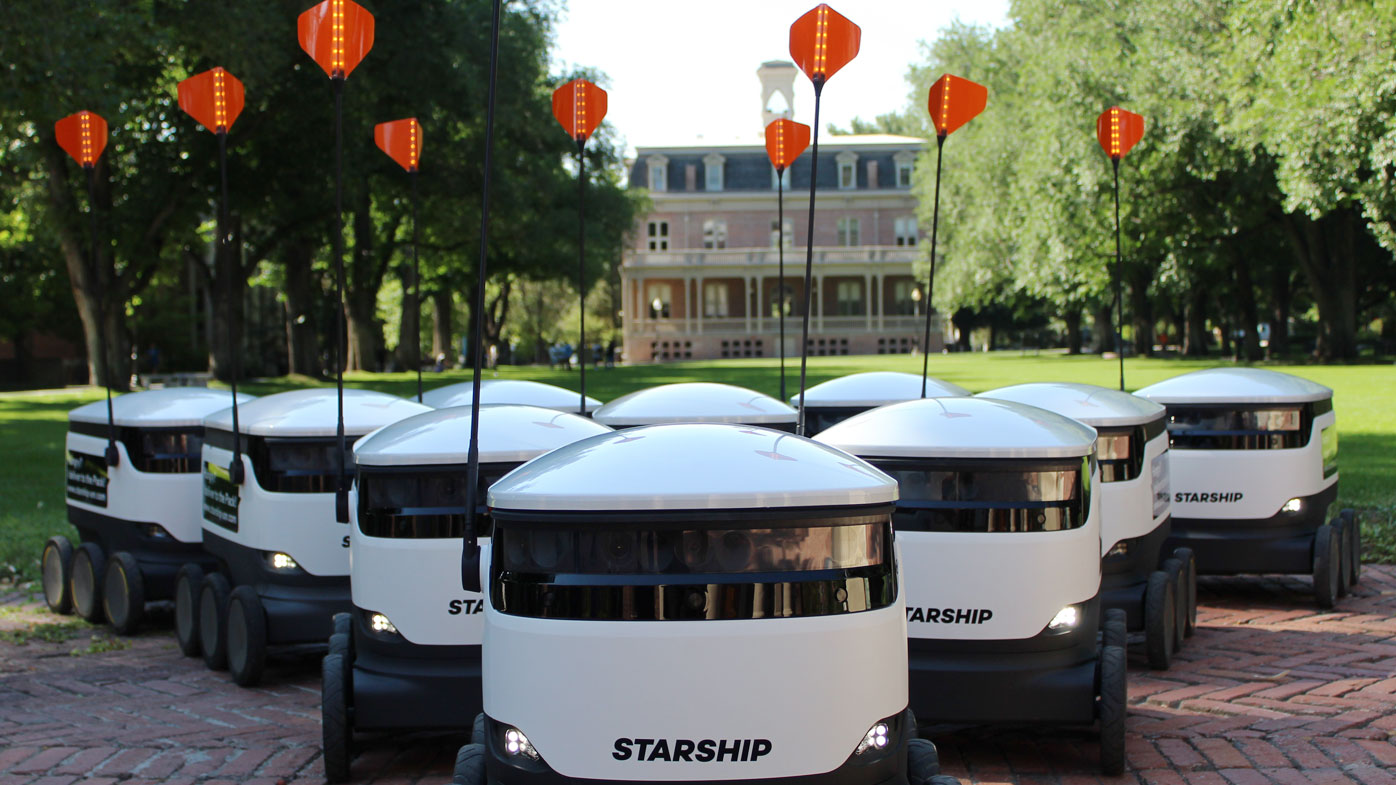
A survey from Starship Technologies Survey shows Gen Z embracing autonomous delivery technology, with robots completing over 1.2 million orders and traveling equivalent of nearly 6 trips to the moon in 2025.
Get news, papers, media and research delivered. Sign up for our free newsletters.
Stay up-to-date with news and resources you need to do your job. Research industry trends, compare companies and get weekly market intelligence with Robotics 24/7.
Starship Technologies
A survey from Starship Technologies Survey shows Gen Z embracing autonomous delivery technology, with robots completing over 1.2 million orders and traveling equivalent of nearly 6 trips to the moon in 2025.
Sidewalk autonomous delivery company Starship released the results from its 2025 Campus User Survey conducted among 5,000 students across 65 U.S. college campuses.
Starship said that the data reveal more than just high usage; they show a generational shift in how humans coexist with autonomous helpers.
The report found that 97% of students shared that they “love” or “like” the robots, showing one of the highest approval ratings for any AI-powered technology.
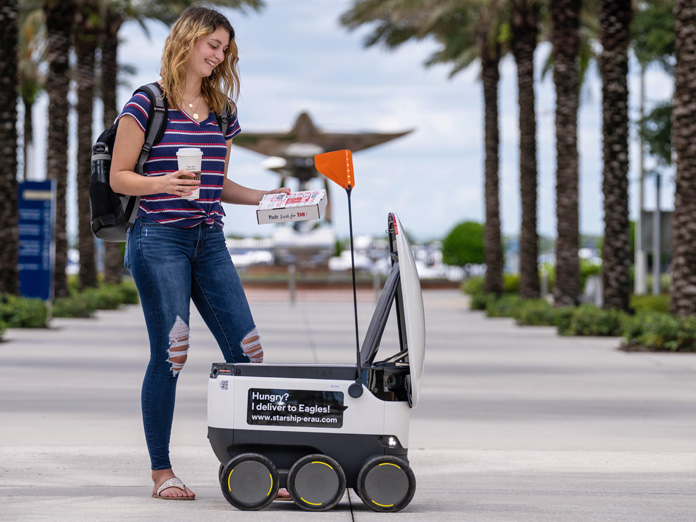
Beyond practicality, Starship said that the robots have become an unexpected public-health intervention on college campuses: they help students eat more regularly, avoid unsafe late-night walks, manage stress and illness and access meals despite mobility or social-anxiety challenges.
Nearly 40% of student respondents say that delivery robots improve food accessibility, while one in four report feeling safer using contactless delivery, particularly during late-night study sessions or poor weather. Students also cite reduced stress about access to meals when sick, injured, or overwhelmed during exam periods.
“Starship delivery robots have been extremely helpful on campus,” Amelia Ott, a junior at Purdue University. “Whether I’m studying late, or rushing between classes, they’re an easy, reliable way to get meals. The robots are always on time and can navigate through any terrain or bad weather. They’ve become part of everyday campus life and are fun to see around campus too.”
Starship said that robots have become an essential part of everyday life in the U.S., completing almost 7 million orders and traveling nearly 8 million miles across US campuses since 2019. In 2025, delivery robots completed 1.5 million miles on U.S. campuses (nearly six trips to the moon) reliably delivering in rain, snow and freezing temperatures.
Similar to last year’s Starship survey results, over half of those surveyed said they can study more effectively (54%), avoid skipping meals (60%), and save time (51%). Starship said that they’re also beloved fixtures, with nearly three-quarters (72%) describing them as “friendly/cute” and two-thirds (65%) reporting their opinion became “more positive since seeing or using them”. Survey data said that students name, help and treat the robots like mascots. The results show that autonomous technology is as much about culture, as it is about technology.
“Campuses have long been the birthplace of the world’s most transformative ideas, and today they’re once again leading the way. What began as a convenient delivery option has grown into a new social standard,” said Ahti Heinla, co-founder and CEO. “This generation is proving that autonomous technology can coexist in our human communities, redefining the future of urban cities. We’re showing the world that it’s fully automated and frictionless.”
Enjoyed this article? Add Robotics 24/7 as a preferred source in Google Search.
Edge computing gives AI agents the processing power to turn instructions into…
Daimon-TWM world model debuts for the public
Platform helps robots adapt to complex tasks

Look beyond the headlines for the latest in humanoid robots