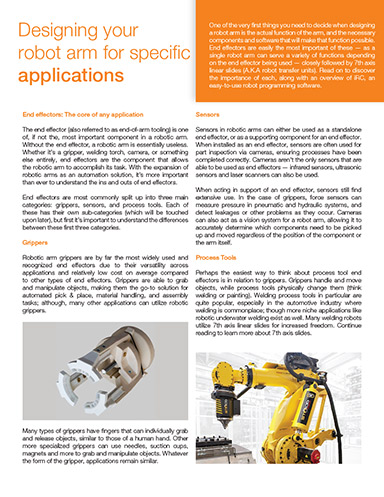
One of the very first things you need to decide when designing a robot arm is the actual function of the arm, and the necessary components and software that will make that function possible.
End effectors are easily the most important of these — as a single robot arm can serve a variety of functions depending on the end effector being used — closely followed by 7th axis linear slides (A.K.A robot transfer units).
The end effector (also referred to as end-of-arm tooling) is one of, if not the, most important component in a robotic arm. Without the end effector, a robotic arm is essentially useless. Whether it’s a gripper, welding torch, camera, or something else entirely, end effectors are the component that allows the robotic arm to accomplish its task.
With the expansion of robotic arms as an automation solution, it’s more important than ever to understand the ins and outs of end effectors. End effectors are most commonly split up into three main categories: grippers, sensors, and process tools. Each of these has their own sub-categories (which will be touched upon later), but first it’s important to understand the differences between these first three categories.
Read on to discover the importance of each, along with an overview of iRC, an easy-to-use robot programming software.
Fill out the information below to download this resource
Before beginning the design of a robot arm, it is essential to consider its purpose and the necessary components and programming that will make it a reality.
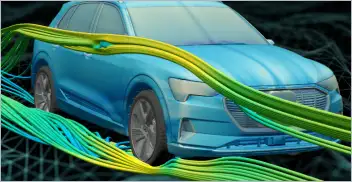
From geometry preparation to AI-assisted analysis, integrated CFD workflows…
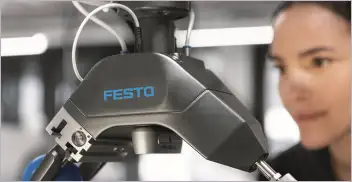
Software-based GripperAI manages mixed picking through basic geometry
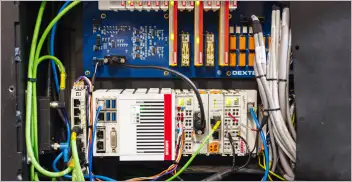
Safety, communication and motion control components enable smooth operation

North America’s largest robotics and automation event winds down