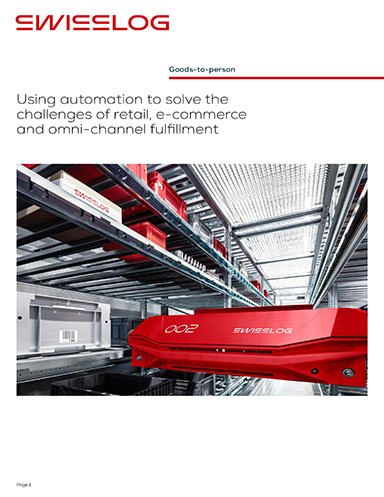
Using automation to solve the challenges of retail, e-commerce and omni-channel fulfillment
Managing e-commerce and omni-channel fulfillment is more labor intensive than other warehouse processes and, in many areas, labor is becoming harder to find and more expensive. This issue can be exacerbated when retailers rely on temporary labor to manage peaks in demand. When that labor isn’t available, costs rise and service to customers suffers.
E-commerce and omni-channel retail also typically requires support for a larger number of SKUs as consumers expect greater product selection from online channels. From a fulfillment perspective, that can mean more slow-moving items, which are inefficient to fulfill through manual processes.
Evolving consumer expectations are also putting more pressure on fulfillment processes. Consumers are increasingly choosing same-day or next-day delivery over longer delivery times, forcing distribution centers to reduce order cycle times.
As a result of these trends, automation is becoming essential in managing e-commerce and omni-channel fulfillment. Goods-to-person automation technologies enable retailers to support growing SKU counts and meet demanding customer expectations while providing protection against labor shortages and driving down fulfillment costs.
Fill out the information below to download this resource
E-commerce and omni-channel fulfillment are becoming more labor-intensive, costly, and challenging as consumer demands rise and labor shortages worsen.

GENISOM AI makes ICRA debut at conference in Vienna

World's first omni-modal evaluation including tactile sensing for…

Ultrasonic sensing enhances robotics perception

Cybernetix Ventures’ event kicks off Robotics Tech Week 2026 slate of events