Getty Images
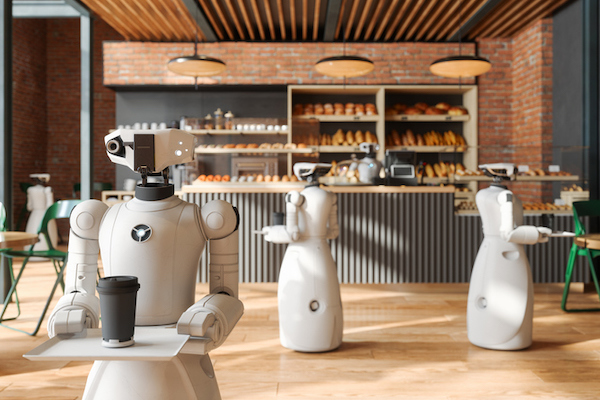
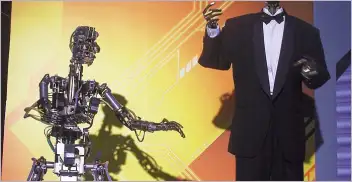
Many humanoid robots are being designed for service applications.
Get news, papers, media and research delivered. Sign up for our free newsletters.
Stay up-to-date with news and resources you need to do your job. Research industry trends, compare companies and get weekly market intelligence with Robotics 24/7.
Getty Images
Many humanoid robots are being designed for service applications.
Humanoid robots are being developed for a variety of applications, including personal assistance, entertainment, education, and healthcare. They are equipped with sensors, cameras, and other advanced technologies that allow them to interact with the environment and adapt to changes in their surroundings.
The market for humanoid robots could grow from $1.6 billion (U.S.) in 2022 to $214.4 billion by 2032 at a compound annual growth rate (CAGR) of 63.2%, according to a report published by The Brainy Insights. It said the Asia-Pacific region has emerged as the largest market for such robots, with a 35.8% share of the market revenue in 2022.
Asia-Pacific currently dominates the humanoid robot market because of massive demand in India, China, and Japan, said the report. Likewise, the senior population is growing quickly in countries like Japan and China, which could strengthen the market exponentially.
The existence of several key players in these countries will also boost the growth of the humanoid robot market, predicted The Brainy Insights. Also, the European market could grow extensively in response to similar market needs.
Technical advances in artificial intelligence will also drive growth in the projections for 2023 to 2032. In addition, the report examines the following:
Noteworthy companies in the humanoid robotics space include Qihan Technology Co., DST Robot Co., and others, said The Brainy Insights. They are continuously focused on new product developments, venture capital investments, and opportunities to obtain market share.
The Brainy Insights report divided the component segment into software, hardware, and services. The hardware segment dominated the market, with a market share of around 39% in 2022, it said.
The report segmented humanoid applications into search and rescue, education and entertainment, personal assistance and caregiving, public relations, research and space exploration, and others. Personal assistance and caregiving applications had a market share of around 20% in 2022.
The Brainy Insights defined the motion control portion of humanoid robots into is divided into wheel drive, and biped channel. The wheel drive segment held a market share of around 58% in 2022, found the report.
Government lockdowns in response to the novel coronavirus have affected all industries and supply chains in the past few years. While consumer demand shifted, shortages of raw materials and components -- not to mention labor -- affected the development and production of humanoid robots, noted The Brainy Insights.
During this period, market players have had to sustain their businesses by finding secure ways to resume manufacturing and sustain revenue.
Still, the healthcare industry is another sector where demand for humanoid robots will increase, said The Brainy Insights. Hospitals could use them to provide security, produce and dispense pharmaceuticals, and bring medicines and food to infected patients.

Avinash Dhanwani is a research director at Brainy Insights Pvt. Ltd. who monitors and engaging with latest innovations and market development in the information technology industry.
Walker X is the latest version of Ubtech Robotics' humanoid robot.
Enjoyed this article? Add Robotics 24/7 as a preferred source in Google Search.
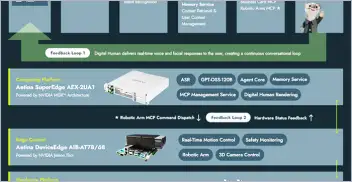
Edge computing gives AI agents the processing power to turn instructions into…
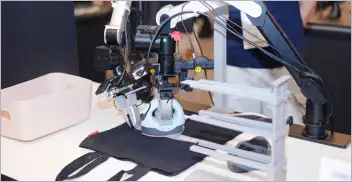
Daimon-TWM world model debuts for the public
Platform helps robots adapt to complex tasks
Look beyond the headlines for the latest in humanoid robots