Meltio
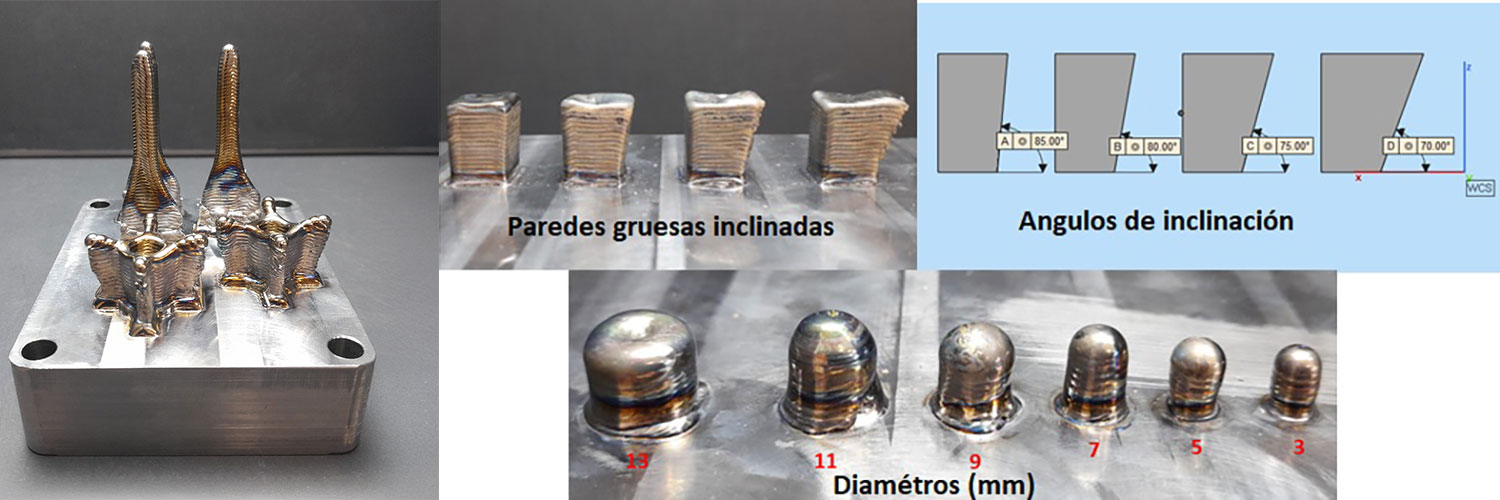
ATILA has test manufactured titanium implants using a Meltio 3D printer, including these stemless cage forms for bone grafting and a distal radius plate for the forearm area.
Get news, papers, media and research delivered. Sign up for our free newsletters.
Stay up-to-date with news and resources you need to do your job. Research industry trends, compare companies and get weekly market intelligence with Robotics 24/7.
Meltio
ATILA has test manufactured titanium implants using a Meltio 3D printer, including these stemless cage forms for bone grafting and a distal radius plate for the forearm area.
As part of the ATILA project, Spanish research center AIDIMME recently installed a metal 3D printer prototype from Meltio to prototype manufacture biomedical implants made of titanium alloys
ATILA researchers are studying and developing a high protection additive manufacturing process using direct deposition of metal by wire using multi-lasers for the processing of highly reactive materials.
The project is formed by a multidisciplinary consortium led by AIDIMME, with participants including Meltio, the Research Foundation of the General University Hospital of Valencia (FIHGUV), and the Laser Applications and Photonics research group of the University of Salamanca (ALF-USAL). It is funded by the Valencia State Research Agency, Spanish Ministry of Science and Innovation, and the European Union.
ATILA is investigating the manufacturing and applications of biomedical implants made from Ti64-ELI titanium using welding wire 3D printing.
Meltio said unlike other additive manufacturing technologies such as laser sintering - a metal powder 3D printing method including laser powder bed fusion (PBF-LB/M) and electron beam powder bed fusion (PBF-EB/M) - welding wire 3D printing is more efficient, with less polluting processes that generate less material waste in its handling, which can help improve sustainability to reduce the carbon footprint of this technology.
The direct metal laser deposition (DED-LB/M) additive manufacturing process can fabricate parts with the addition of raw material in the form of powder or wire. The advantages of DED-LB/M technology using wire, the company said, include lower process contamination than when using powder, good deposition rate, relatively low cost, and high raw material utilization close to 100%. Although powders can be reused, their chemical composition must be controlled and varies after each use.
During an additive manufacturing process, highly reactive materials such as titanium have a tendency to pick up oxygen from the air due to the increase in temperature during melting and subsequent deposition of successive layers.
For biomedical implant manufacturing, the oxygen content must not exceed the maximum limit established in the reference standards for implants, including UNE-EN ISO 5832-3:2017, which covers surgical implants made from wrought alloy based on titanium, aluminum 6, and vanadium 4.
The maximum oxygen value allowed is 0.2% for Ti6Al4V grade 5 and 0.13% for Ti6Al4V ELI, a stricter oxygen limit in reference standard ASTM F136-21.
Meltio said the use of shielding gas coaxial to the melt is characteristic of DED technology. Meltio's metal 3D printers melt solid metal material, creating parts layer by layer to ensure high material deposition efficiency and print quality.
ATILA Project consortium’s management team said development of DED-LB/M can help assure the quality of implants by producing preforms close to the final products, which can limit the amount of waste compared to traditional machining down of a metal block.
Research during 2024 into the DED-LB/M aimed to build “advantages in the function” upon powder-based titanium implant additive manufacturing, with factors including high capacity of adaptation to patients and creation of three-dimensional structures that favor the growth of the bone.
During 2024, ATILA researchers made progress in several aspects within its main objective of manufacturing biomedical implants that comply with regulations:
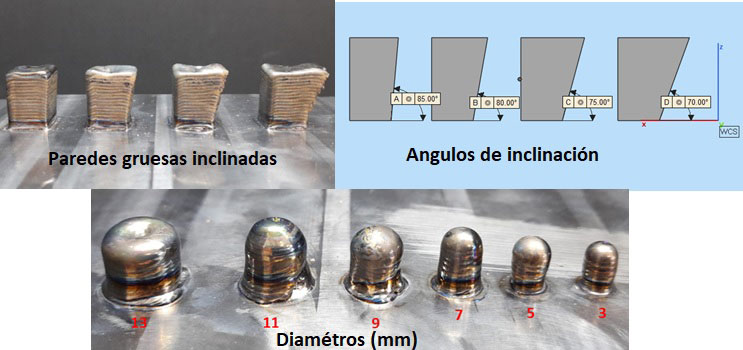
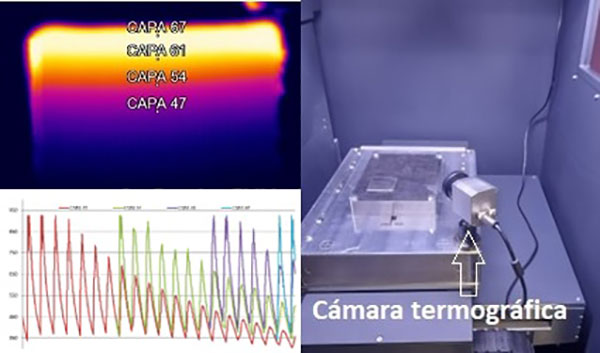
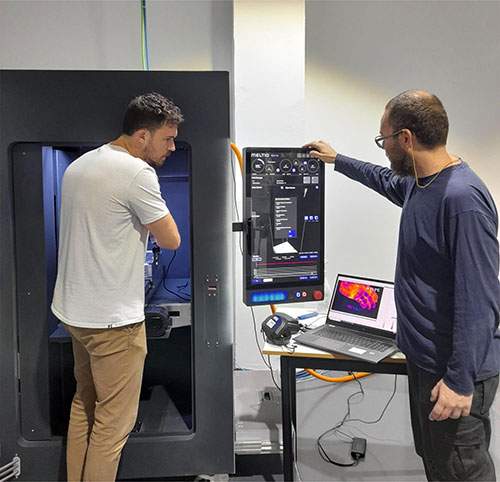
ATILA said analysis of the information it has acquired will help address problems related to oxygen uptake during manufacturing in order to meet health sector regulations and standards.
The ATILA project involves studying the feasibility of manufacturing different biomedical implants, including:
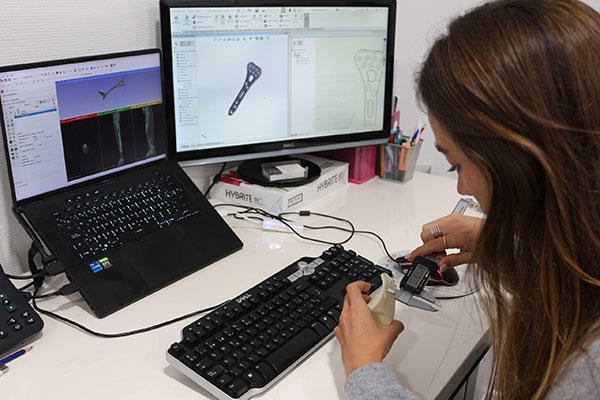
FIHGUV has supplied the required stereolithography (STL) computer-aided design (CAD) files for the implants to AIDIMME, where they have been modified in their geometry to adapt them to what is possible to manufacture with the DED-LB/M technology, including necessary roundings.
At present, Ti6Al4V blocks in grades 5 and 23 have been fabricated into samples for mechanical tests and microstructural characterization, as well as heat treatments as required. In the coming months of 2025, ATILA plans to complete the characterization and verification testing process and implants will be fabricated for the first in vitro (laboratory) and in vivo (inside a living organism) tests by FIHGUV.
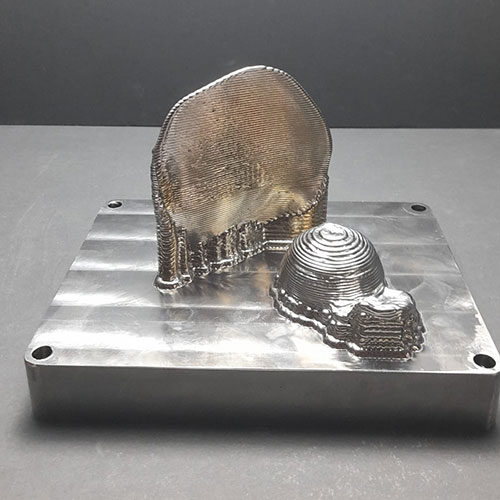
As part of the ATILA Project Dissemination plan, Meltio presented a webinar to showcase the ATILA prototype; chemical, thermal and microstructural characterization carried out to date; manufactured demonstrators; and the future challenges of the ATILA Project.
At USAL, a digital twin of the new titanium 3D printing prototype is being developed together with AIDIMME and Meltio using laser welding wire technology, where researchers are studying nanostructuring using ultrashort pulse lasers for the improvement of biomedical implants.
GENISOM AI makes ICRA debut at conference in Vienna

World's first omni-modal evaluation including tactile sensing for…
Ultrasonic sensing enhances robotics perception

Cybernetix Ventures’ event kicks off Robotics Tech Week 2026 slate of events