XELA Robotics
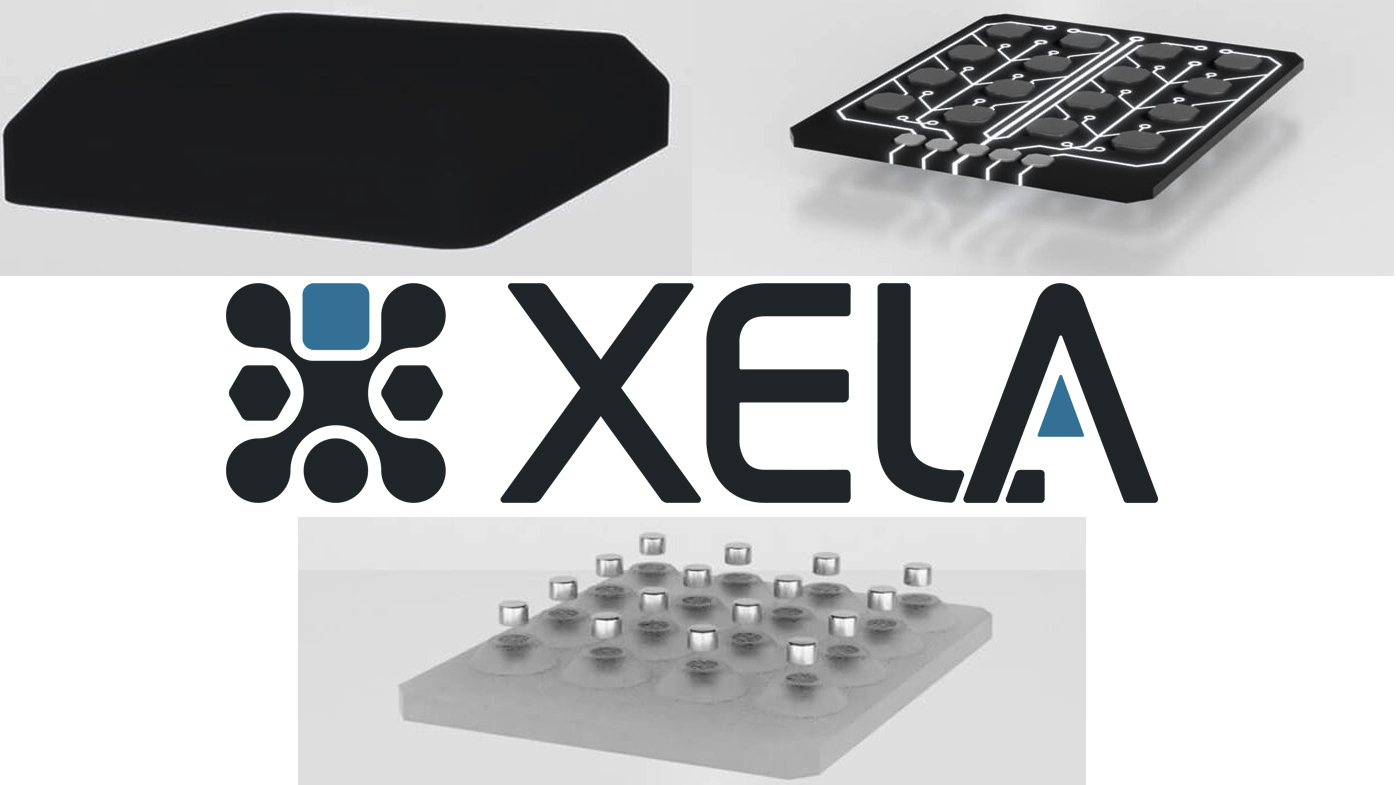
XELA Robotics said its tactile system combines uSkin sensors and proprietary software to help robots understand what they are touching.
Get news, papers, media and research delivered. Sign up for our free newsletters.
Stay up-to-date with news and resources you need to do your job. Research industry trends, compare companies and get weekly market intelligence with Robotics 24/7.
XELA Robotics
XELA Robotics said its tactile system combines uSkin sensors and proprietary software to help robots understand what they are touching.
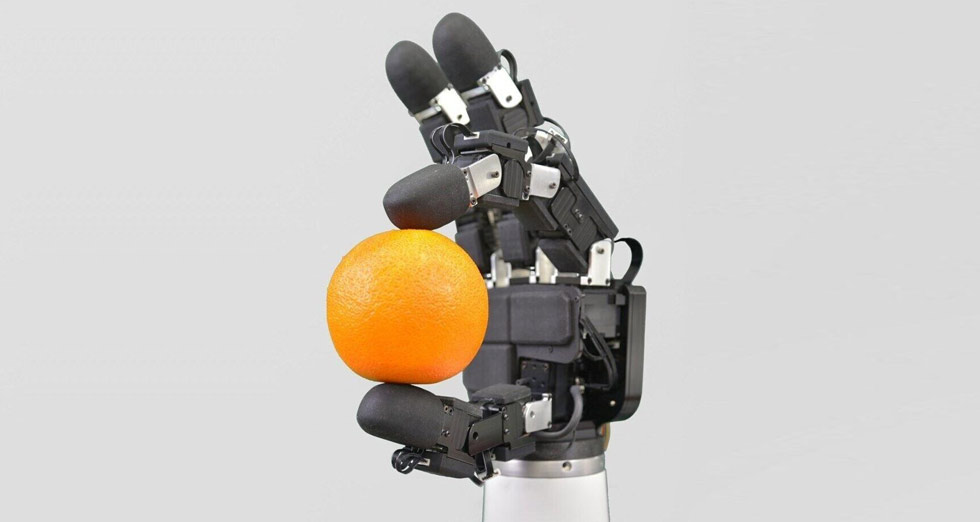
At CES 2026 in Las Vegas, advanced 3D tactile sensor specialist XELA Robotics showcased its technology that the company said provides a human sense of touch for humanoid and industrial robots.
The first-time CES exhibitor provided a live demonstration of its uSkin sensor technology integrated into robot hands and grippers.
XELA Robotics said that the hardware and software offering enables physical AI, is already in use in universities and commercial settings, and unlocks a new level of automation. The company said it helps solve the challenge of robotic hands that cannot handle objects as carefully and efficiently as humans. XELA Robotics describes its sensors as durable, compact, easy to integrate and highly cost-effective. They are offered on both a standalone basis as well as integrated into robot hands and grippers.
In December 2025, the company announced it had integrated its uSkin sensors into a Tesollo DG-5F five-fingered anthropomorphic robot hand.
“We have taken an agnostic approach towards the commercialization of our technology,” said Alexander Schmitz, CEO of XELA Robotics. “Our focus has been to develop the most human-like sense of touch and make it available to all companies seeking to enhance their real-world automation.”
XELA Robotics said that the family of uSkin sensors allows robots to understand how tightly they are gripping an object, as well as how it moves within their grasp. Built from a flexible elastomer, they conform to different object shapes, grippers and robot hands, and can be customized to meet specific application needs.
The company said that the 3D tactile sensors detect object shape, contact forces and soon slippage in real time. Without 3D tactile data, XELA Robotics said that these "simple" tasks for humans are extremely difficult for robots. The company added that unlike most robotic hands on the market, which only have sensors in the fingertips, it can integrate its sensors in a significantly larger surface area, including fingertips, phalanges and the palm, making it much closer to the real thing.
GENISOM AI makes ICRA debut at conference in Vienna
World's first omni-modal evaluation including tactile sensing for…

North America’s largest robotics and automation event kicks off

North America’s largest automation and robotics event takes place June 22-25