Daifuku
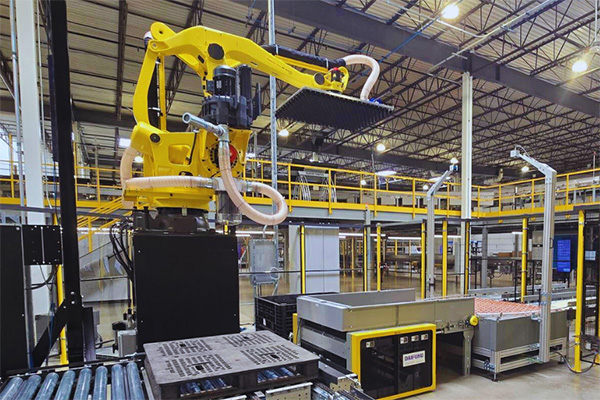
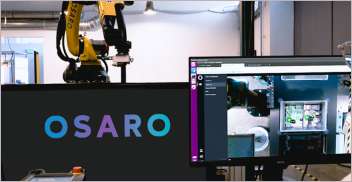
New updates to the Daifuku Robotic De-Layering and Singulation System (RDS) aim to tackle robotics use in modern materials handling.
Get news, papers, media and research delivered. Sign up for our free newsletters.
Stay up-to-date with news and resources you need to do your job. Research industry trends, compare companies and get weekly market intelligence with Robotics 24/7.
Daifuku
New updates to the Daifuku Robotic De-Layering and Singulation System (RDS) aim to tackle robotics use in modern materials handling.
Picking, placing and transporting are at the heart of robotics in material handling. When it’s done correctly, robotics can effectively automate tasks and improve efficiency on warehouse floors.
Daifuku announced that it has updated its Robotic De-Layering and Singulation System (RDS) to further improve efficiency and effectiveness on the shop floor with robotics in materials handling.
Daifuku said it's estimated that more than 30% of all warehouses have some type of robotics automating work in their facilities today, up from only about 20% of warehouses that integrated robots in 2021. Furthermore, more than 50% of warehouse managers report spending more on robotics and automated equipment for their warehouse, with the robotics market in this sector expected to be valued at north of $50 billion by 2030.
Primarily driven by increasing demand for online purchases and challenges in hiring skilled laborers, robots may seem like a necessity in today's modern warehouse. However, their benefits extend to other areas as well, such as helping improve operational efficiency, enhancing safety and reducing errors that humans may be more likely to commit during certain tasks.
As robotics continues is expanded role in modern material handling situations, Daifuku said the latest version of RDS addresses critical components of this sector.
Born in Daifuku's Innovation Center, the company said the new RDS takes what works from an already well-established offering, and addresses some of the most labor-intensive warehouse tasks even more, such as:
Daifuku said the secret to the latest RDS version is the automated features packed into its sensing and sequencing capabilities. The RDS can process pallets of varying heights and discard slip sheets when they are present.
Another new feature is its compact footprint. Daifuku said users can optimize space without losing functionality.
Other components of the new RDS include:
When optimized, Daifuku said the new RDS can adequately handle up to 450 layers per hour (or more than 5,200 packages per hour).
Enjoyed this article? Add Robotics 24/7 as a preferred source in Google Search.
Edge computing gives AI agents the processing power to turn instructions into…
Daimon-TWM world model debuts for the public
Platform helps robots adapt to complex tasks

Look beyond the headlines for the latest in humanoid robots