Intel
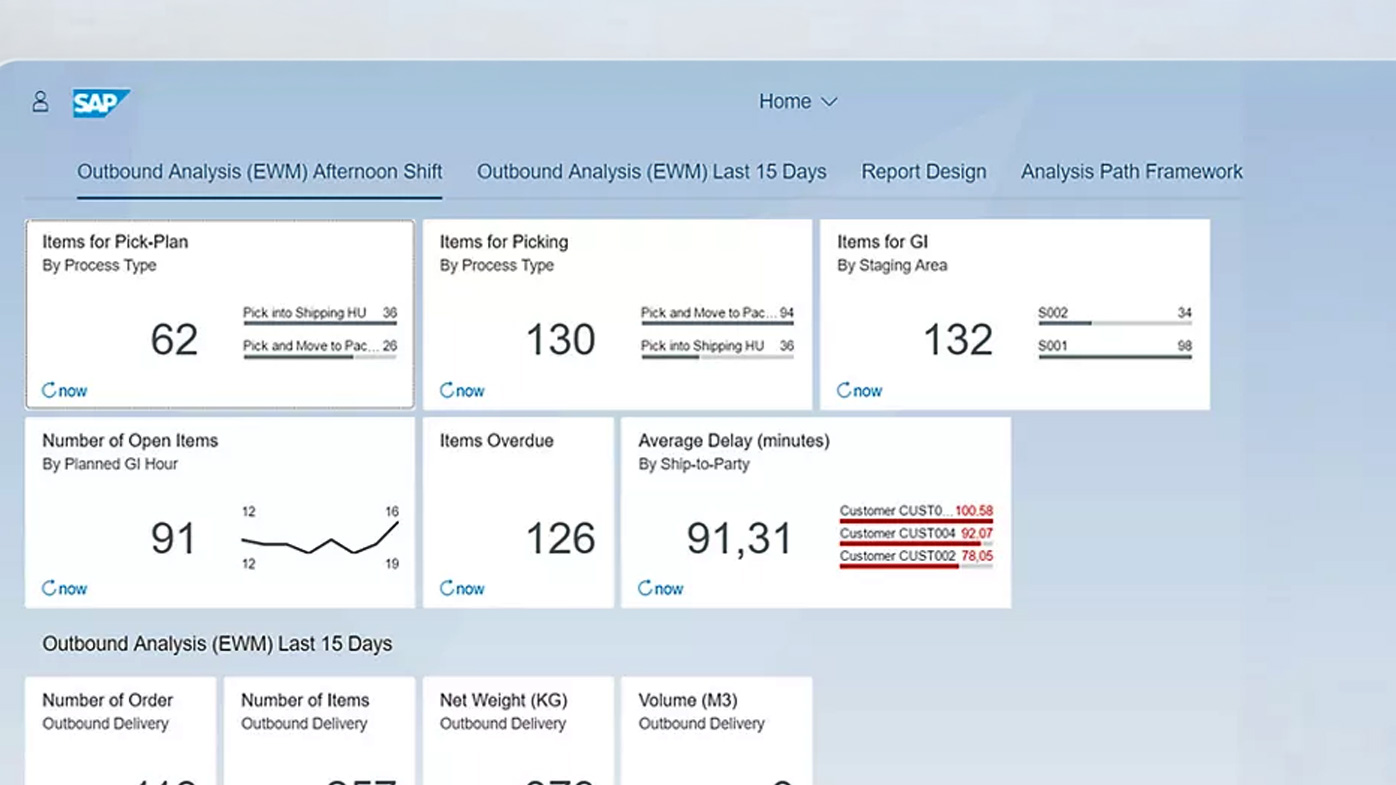
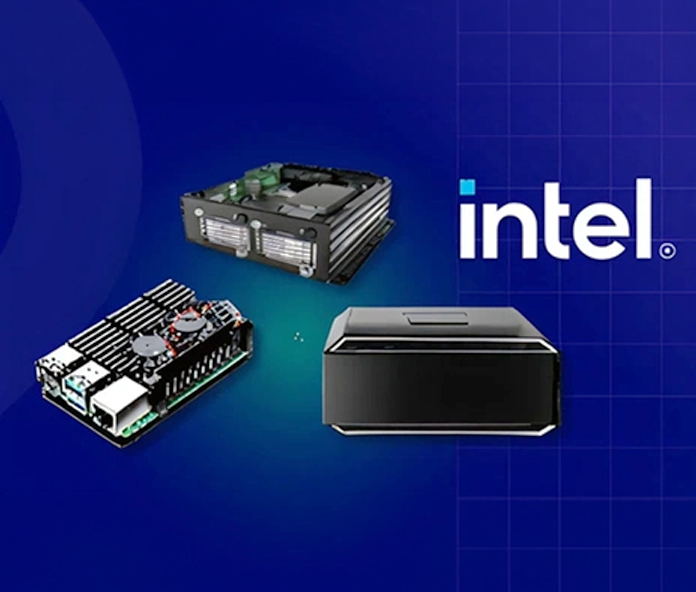
Intel's physical AI offerings, in combination with SAP's EWM, bridge IT business and the operational technology that controls physical equipment and material handling processes in the warehouse.
Get news, papers, media and research delivered. Sign up for our free newsletters.
Stay up-to-date with news and resources you need to do your job. Research industry trends, compare companies and get weekly market intelligence with Robotics 24/7.
Intel
Intel's physical AI offerings, in combination with SAP's EWM, bridge IT business and the operational technology that controls physical equipment and material handling processes in the warehouse.
Intel announced a collaboration with SAP to bridge business IT systems and the operational technology that controls physical equipment and processes through physical AI.
The companies said that this initiative establishes a model in which business intent can drive physical action while status, outcomes and exceptions flow back into enterprise systems. - closed loop in action.
SAP and Intel said that they demonstrated this through a proof of concept (PoC) showing how physical AI can automate warehouse material handling by connecting the SAP Extended Warehouse Management’s (SAP EWM) business context and workflow orchestration with Intel-powered edge AI and robotics hardware and software, turning enterprise requests into autonomous robot tasks.
Requests are initiated in SAP EWM and are dispatched to autonomous robots with Intel’s edge AI hardware and software. The robots transport materials and report task status and completion back to SAP EWM, which creates a closed loop between enterprise workflows and physical execution. Intel and SAP said that the PoC demonstrated operational improvements, including a reduction in transport distance and less repetitive manual handling.
“Organizations want to connect AI directly to physical operations,” said John Healy, vice president and general manager, industrial and robotics, Intel. “By combining SAP’s enterprise context and orchestration with Intel’s edge AI and robotics technologies, we can help customers move physical AI from business decision to real-world execution.”
Unlike standalone robot automation, the companies said that this approach closes the IT/OT loop. SAP supplies the business context, governed workflows and process rules, while Intel provides an open, real-time edge AI foundation that enables robots to perceive, navigate and act locally. The companies said that status and exceptions are returned to enterprise systems, creating a reusable blueprint for a business-aware physical workforce that can scale across sites, robot vendors and use cases.
“Physical AI can reshape operations by connecting enterprise systems with operational technology,” said Dr. Lukasz Ostrowski, head of physical AI and robotics, SAP Research and Innovation, SAP SE. “SAP and Intel are creating solutions to help customers integrate AI-driven automation into core processes while preserving flexibility across robotics platforms, deployment models and ecosystem partners across both hardware and software.”
The companies said that their collaboration is designed to translate critical business decisions made in SAP systems into efficient, precise and responsive physical execution through SAP’s physical AI technologies and Intel’s foundational physical AI hardware and software capabilities.
Intel said that it brings an edge AI and robotics foundation designed to operationalize and scale multimodal AI, including scalable heterogeneous compute (CPU, GPU and NPU working together) for local perception, inference, navigation, inspection and real-time control. Intel said that its physical AI approach combines heterogeneous compute, industrial-ready silicon, real-time capabilities and open software, including OpenVINO Physical AI, Physical AI Studio and Robotics AI Suite. Intel said that its common hardware and software foundation can help consolidate mixed workloads, reduce integration fragmentation, preserve ecosystem choice and support progression from proof of concept to repeatable deployment.
Additionally, the companies said that the open, robot-agnostic architecture is designed to preserve customer choice across robot vendors, operating systems, AI models and cloud or on-premises deployment approaches. It is also designed to support scaling across platforms, sites and use cases without vendor lock-in.
Together, SAP and Intel said that they aim to turn this proof of concept into a repeatable blueprint for enterprise physical AI - helping customers scale intelligent automation across sites, robot platforms and operational use cases while preserving choice and flexibility.
Enjoyed this article? Add Robotics 24/7 as a preferred source in Google Search.
Edge computing gives AI agents the processing power to turn instructions into…
Daimon-TWM world model debuts for the public
Platform helps robots adapt to complex tasks
Look beyond the headlines for the latest in humanoid robots