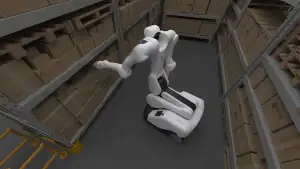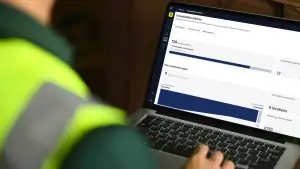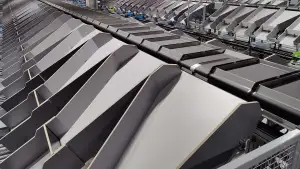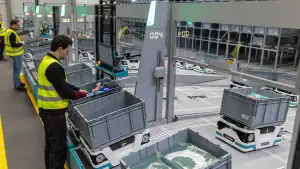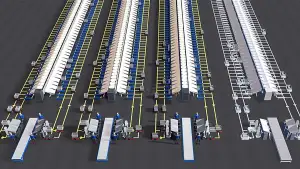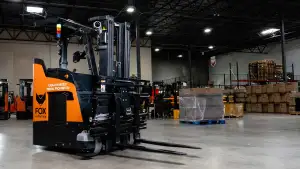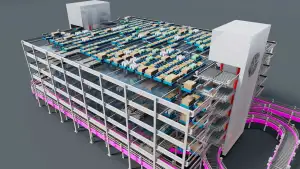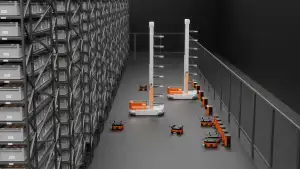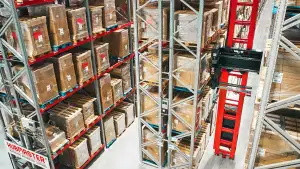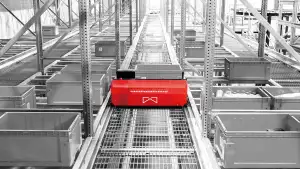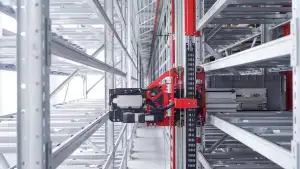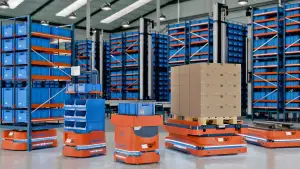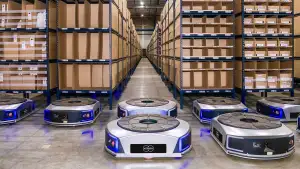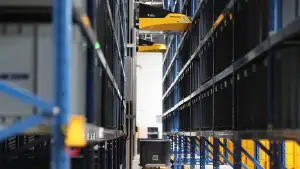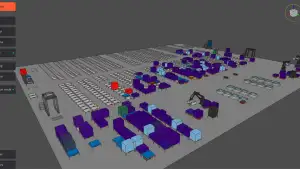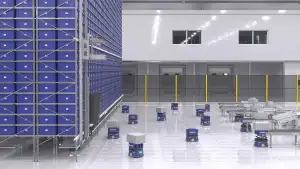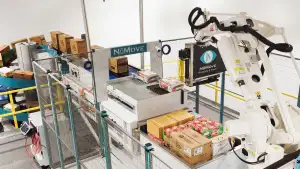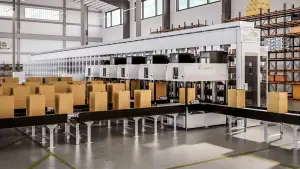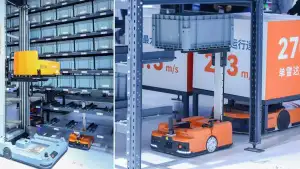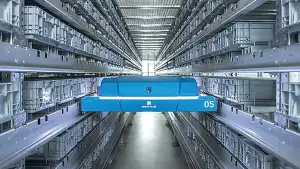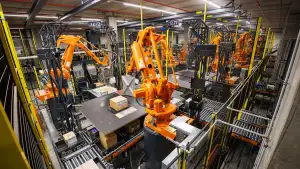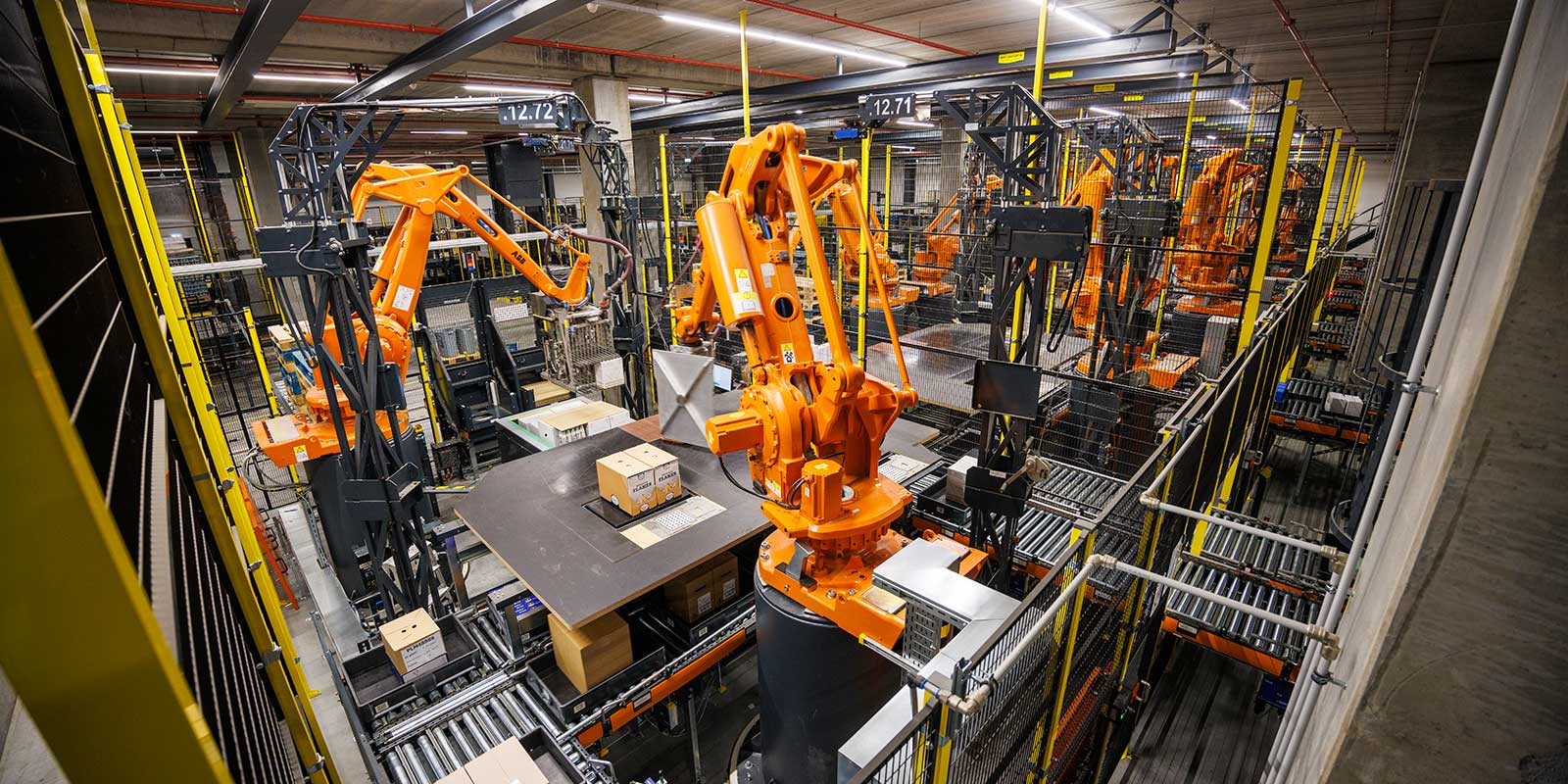
Load Forming Logic (LFL) software is a component of Vanderlande’s STOREPICK, a modular, robotic, end-to-end case-picking system. Featuring the company’s ADAPTO shuttle-based AS/RS, VISION software, depalletizing and palletizing robots, Pallet AV load carriers and AMRs, STOREPICK automates the most labor-intensive tasks in the retail supply chain. LFL brings higher efficiency and convenience to one of the most difficult and time-consuming tasks facing grocers and food retailers - replenishing stores and optimizing transportation and logistics operations. LFL can replicate the most efficient case pickers while overcoming challenges associated with traditional stocking operations. LFL’s customizable algorithms ensure each pallet is designed to adhere to the receiving store’s unique planogram. Palletizing robots or workers at grocers’ distribution centers can then build the optimal pallet based on which aisle SKUs are located, the ideal order in which they are unstacked and shelved, and how items can simultaneously be arranged to maximize pallet stability and density. Vanderlande, Booth S1503
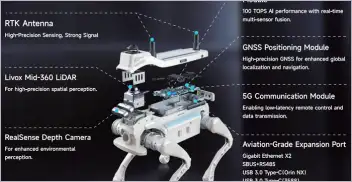
GENISOM AI makes ICRA debut at conference in Vienna
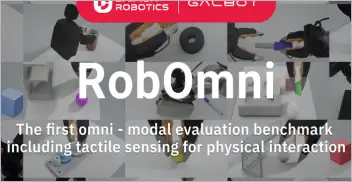
World's first omni-modal evaluation including tactile sensing for…
Ultrasonic sensing enhances robotics perception
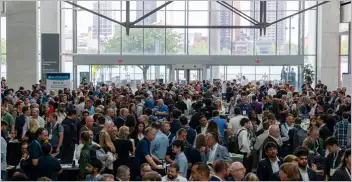
North America’s largest automation and robotics event takes place June 22-25