2026 robotics and automation predictions: Top trends transforming global industries

What robotic technology/technologies do you expect will make the most impact in 2026? 
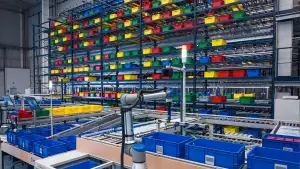
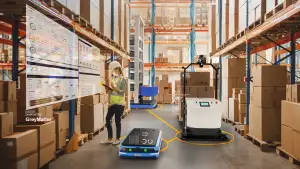
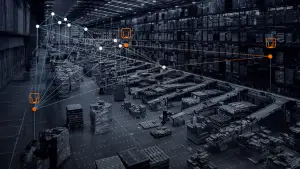
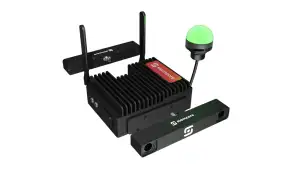
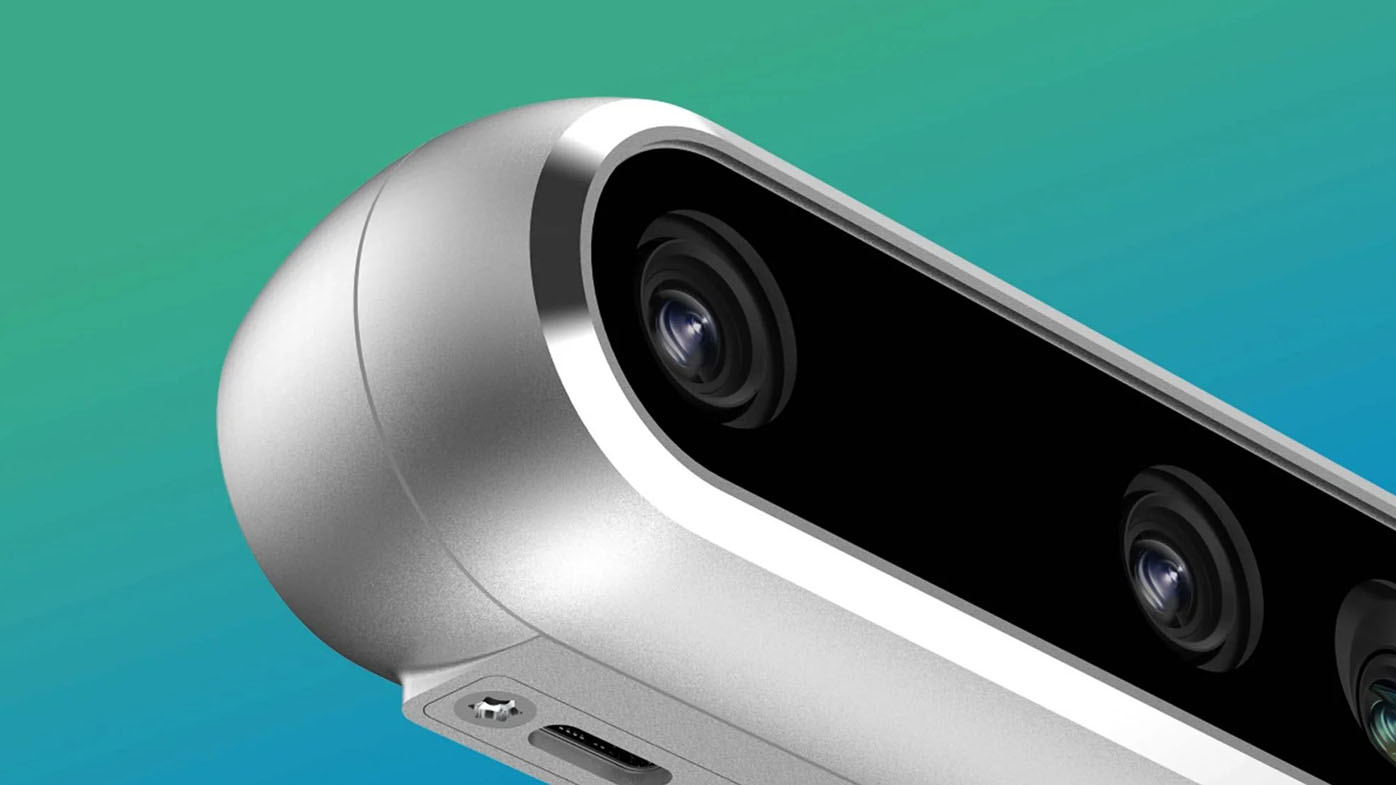
The biggest impact tech for 2026, in my view, is 3D perception acting as a visual cortex for robots and facilities. Depth cameras, VSLAM, and vision AI are moving from “cool add-on” to “standard kit.” In warehouses especially, we’re seeing vision used for storage, picking, safety, and live inventory, not experiments, but core infrastructure. That same perception layer is also what makes physical AI safe: if a robot can’t really see its environment, it can’t reliably avoid people, pets, or property. On top of that, I see physical AI orchestration as the next big wave. Instead of scripting every movement, you give the system missions - “clear inbound,” “replenish Zone C,” “keep outbound under 80%” - and it figures out which robots do what and when.
What is your boldest robotics prediction for 2026? 
My bold prediction is that 2026 is the year we stop arguing about humanoids and physical AI in theory and start seeing real, measurable deployments in logistics and manufacturing. I expect a small but meaningful set of sites where robots are running missions instead of checklists. Humans will set goals and handle edge cases; a physical-AI layer will handle most of the routing and task allocation across AMRs, fixed cells, and maybe a few humanoids. On the humanoid side, I think we’ll see at least a couple of big operators publicly share numbers like, “We got thousands of productive humanoid hours this quarter,” and back it up with data on throughput, ergonomics, or staffing flexibility, not just glossy demo videos. The twist is that the winning examples will be safety-first. They’ll have good perception fused with other sensors, clear “safety curtains” around motion, and simple ways to stop the robot when something weird happens. That’s how physical AI earns trust: not just by doing more, but by behaving predictably when the real world gets messy.
What industry/industries do you expect will invest more in robotics and automation in 2026 and why? 
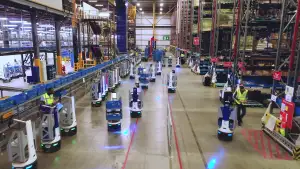
I see three big buckets leaning in even harder in 2026: logistics/warehousing, manufacturing, and healthcare/life sciences. Logistics and warehousing: Labor is tight, service levels are unforgiving, and demand is lumpy. That’s a perfect recipe for AMRs, vision-guided systems, and smarter orchestration. More DCs will treat robotics and AI as a permanent layer of the operation, not as pilots. Because robots are working right next to people, you’ll also see more investment in perception-driven safety - robots that can detect humans reliably, slow down, stop, and recover gracefully. Manufacturing, especially automotive, EVs, and electronics: Plants are dealing with product complexity, reshoring, and quality pressure. They need robots that can handle variation, not just perfectly repeated cycles. That drives spending on cobots, vision-guided arms, logistics robots, and, in some carefully chosen roles, humanoids that can work in human-designed spaces. Physical AI here has to be safe by design: safety curtains around motion, fused sensing for edge cases, and controls that behave well even when something slips or falls. Healthcare and life-sciences logistics: Hospitals and pharma/biotech operations look a lot like high-stakes warehouses: constant movement, strict traceability, and chronic staffing gaps. I expect more internal logistics robots in hospitals, more lab automation, and more vision-based inspection in pharma and medtech. These are environments where the public is especially sensitive about AI, so robots that can clearly demonstrate safe, reliable behavior will have an advantage. Across all of these, the pattern is the same: perception + physical AI + safety. The industries that invest in robots with a real visual cortex and a safety-first stack will be the ones that feel like they skipped ahead a few years when we look back on 2026.
Chris Matthieu: VP, Developer Ecosystem, RealSense

What robotic technology/technologies do you expect will make the most impact in 2026?

The biggest impact tech for 2026, in my view, is 3D perception acting as a visual cortex for robots and facilities. Depth cameras, VSLAM, and vision AI are moving from “cool add-on” to “standard kit.” In warehouses especially, we’re seeing vision used for storage, picking, safety, and live inventory, not experiments, but core infrastructure. That same perception layer is also what makes physical AI safe: if a robot can’t really see its environment, it can’t reliably avoid people, pets, or property. On top of that, I see physical AI orchestration as the next big wave. Instead of scripting every movement, you give the system missions - “clear inbound,” “replenish Zone C,” “keep outbound under 80%” - and it figures out which robots do what and when.

What is your boldest robotics prediction for 2026?

My bold prediction is that 2026 is the year we stop arguing about humanoids and physical AI in theory and start seeing real, measurable deployments in logistics and manufacturing. I expect a small but meaningful set of sites where robots are running missions instead of checklists. Humans will set goals and handle edge cases; a physical-AI layer will handle most of the routing and task allocation across AMRs, fixed cells, and maybe a few humanoids. On the humanoid side, I think we’ll see at least a couple of big operators publicly share numbers like, “We got thousands of productive humanoid hours this quarter,” and back it up with data on throughput, ergonomics, or staffing flexibility, not just glossy demo videos. The twist is that the winning examples will be safety-first. They’ll have good perception fused with other sensors, clear “safety curtains” around motion, and simple ways to stop the robot when something weird happens. That’s how physical AI earns trust: not just by doing more, but by behaving predictably when the real world gets messy.

What industry/industries do you expect will invest more in robotics and automation in 2026 and why?

I see three big buckets leaning in even harder in 2026: logistics/warehousing, manufacturing, and healthcare/life sciences. Logistics and warehousing: Labor is tight, service levels are unforgiving, and demand is lumpy. That’s a perfect recipe for AMRs, vision-guided systems, and smarter orchestration. More DCs will treat robotics and AI as a permanent layer of the operation, not as pilots. Because robots are working right next to people, you’ll also see more investment in perception-driven safety - robots that can detect humans reliably, slow down, stop, and recover gracefully. Manufacturing, especially automotive, EVs, and electronics: Plants are dealing with product complexity, reshoring, and quality pressure. They need robots that can handle variation, not just perfectly repeated cycles. That drives spending on cobots, vision-guided arms, logistics robots, and, in some carefully chosen roles, humanoids that can work in human-designed spaces. Physical AI here has to be safe by design: safety curtains around motion, fused sensing for edge cases, and controls that behave well even when something slips or falls. Healthcare and life-sciences logistics: Hospitals and pharma/biotech operations look a lot like high-stakes warehouses: constant movement, strict traceability, and chronic staffing gaps. I expect more internal logistics robots in hospitals, more lab automation, and more vision-based inspection in pharma and medtech. These are environments where the public is especially sensitive about AI, so robots that can clearly demonstrate safe, reliable behavior will have an advantage. Across all of these, the pattern is the same: perception + physical AI + safety. The industries that invest in robots with a real visual cortex and a safety-first stack will be the ones that feel like they skipped ahead a few years when we look back on 2026.

Editors' Picks

The future of CFD is connected, automated, and AI-enabled

From geometry preparation to AI-assisted analysis, integrated CFD workflows…
Festo gets a grip on AI-based picking

Software-based GripperAI manages mixed picking through basic geometry
How Beckhoff Automation’s EtherCAT and controllers power Dexterity’s Mech ‘superhumanoid’ robot

Safety, communication and motion control components enable smooth operation
Automate 2026: Forklifts, physical AI, vision systems and more from day three in Chicago

North America’s largest robotics and automation event winds down