What robotic technology/technologies do you expect will make the most impact in 2026?
In 2026, I anticipate the most impactful advances will come from the integration of predictive mathematical techniques and purpose-built AI for robotics. We’re moving beyond reactive automation - robots will increasingly anticipate and adapt to their environments using advanced modeling tools like dual numbers and jets. This predictive intelligence enables robots to simulate scenarios and optimize actions before execution, fundamentally changing how we approach automation. Additionally, vertical AI applications tailored for specific tasks - such as AI-driven welding, assembly, and logistics workflows - will become more standard. These solutions, pre-trained and ready to deploy, will allow for rapid scaling and adaptation, especially in industries where variability and complexity have traditionally limited automation.
What is your boldest robotics prediction for 2026?
My boldest prediction for 2026 is about physical AI. Next year, we will see real deployments leveraging imitation-learned physical AI models and this will mark a tipping point for collaborative, imitation-driven robotics. We’ll see robots not just operating as isolated units but forming adaptive teams that learn from each other and from humans in real time. Through the rapid advances in imitation learning and peer-to-peer communication, robots will be able to observe, imitate, and refine behaviors collaboratively - enabling dynamic reconfiguration of workflows without complex programming. This shift will transform how we think about automation: robots will become intuitive partners, capable of seamlessly integrating into human-led processes and adapting to changing conditions on the fly. The emergence of secure, privacy-preserving data exchanges will further accelerate this trend, allowing anonymized performance data to fuel smarter AI models across the ecosystem.
What industry/industries do you expect will invest more in robotics and automation in 2026 and why?
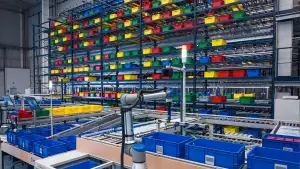
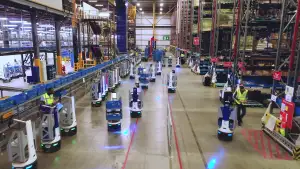
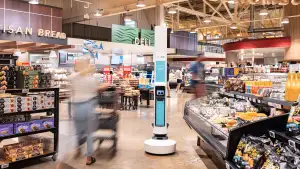
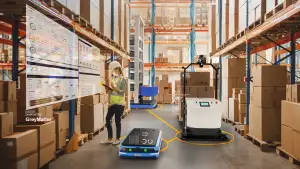
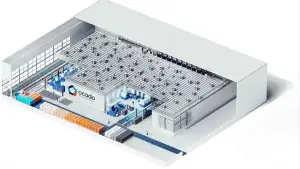
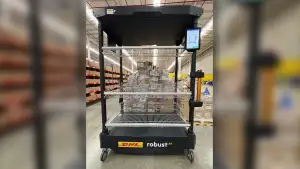
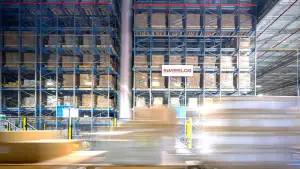
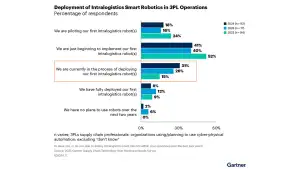
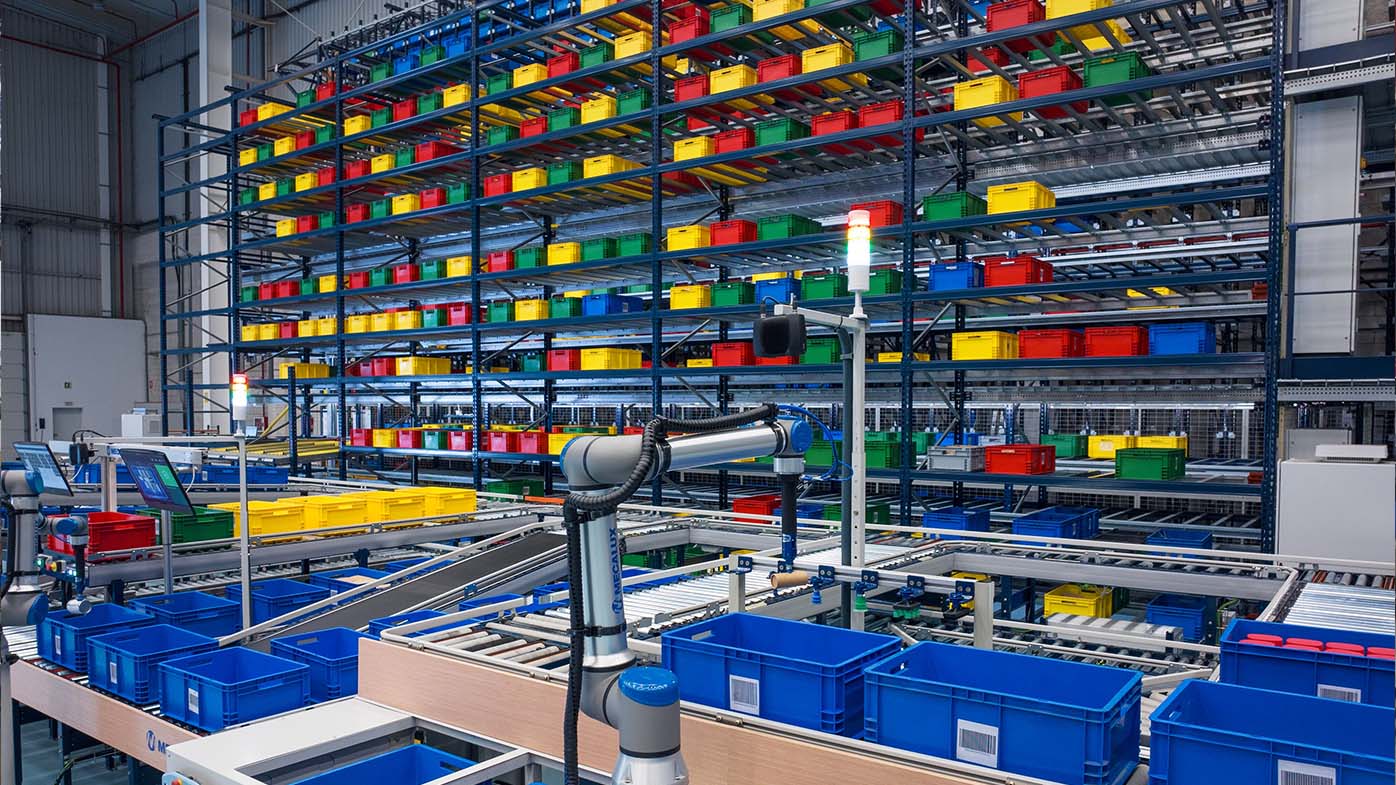
Last year, I highlighted logistics as a sector poised for major investment in robotics - and since then we’ve witnessed great advancements, with AI-powered robotic systems now demonstrating the ability to perform complex pick, stow, and touch operations efficiently and at scale. The logistics industry continues to accelerate its adoption of advanced automation, driven by the need for greater throughput, flexibility, and resilience in global supply chains. And the potential in industry remains massive. As AI-driven robots become more adept at handling complex, variable tasks, we’re witnessing a shift from isolated automation cells to fully integrated, adaptive workflows. This is enabling logistics providers to respond dynamically to changing demands and labor challenges, while also unlocking new efficiencies in warehousing and fulfillment. In 2026, I anticipate we will begin to see investments spreading from logistics into retail. This is especially exciting, as it marks another step in bringing robotic automation closer to our daily lives, and retail as an industry, I will monitor closely.
GENISOM AI makes ICRA debut at conference in Vienna

World's first omni-modal evaluation including tactile sensing for…

Ultrasonic sensing enhances robotics perception

Cybernetix Ventures’ event kicks off Robotics Tech Week 2026 slate of events