2026 robotics and automation predictions: Top trends transforming global industries

What robotic technology/technologies do you expect will make the most impact in 2026? 
AI-native control systems for physical tasks: The biggest impact will come from robotic systems that integrate AI directly into motion planning, perception, and decision-making. Instead of pre-programmed steps, machines will increasingly learn from real-world data, operator demonstrations, and simulations. This shift will allow robots to handle unstructured, complex environments that were previously too variable for automation. Multi-sensor perception and fusion: Robots will combine signals from cameras, IMUs, LiDAR, radar, GNSS, and force sensors
into a unified understanding of their surroundings. This will significantly improve reliability and safety across sectors such as construction, mining, agriculture, logistics, and manufacturing. Remote operations & tele-supervision infrastructure: Low-latency communication, resilient edge computing, and intuitive teleoperation interfaces will allow one operator to supervise or control multiple machines - even across long distances. This addresses global labor shortages and opens the door for distributed, 24/7 operation models. Task-level automation modules: 2026 will bring a rise in modular automation units that focus on specific tasks - precision placement, inspection, material handling, repetitive motion tasks.
What is your boldest robotics prediction for 2026? 
Robotics will shift from automating “individual machines” to automating “end-to-end workflows.” Across many sectors, we will begin to see: Multiple machines coordinating through shared data, Automated task sequencing, Human operators supervising workflows rather than individual robots, Real-time optimization across entire job processes. This marks the early emergence of “physical workflow orchestration” - a new layer that manages how physical work gets done across systems, tasks, and teams. Bold prediction: By the end of 2026, 20-30% of high-volume infrastructure and industrial workflows will include at least one automated or semi-autonomous robotic process step, without requiring full system replacement. This “plug-in” approach makes robotics more accessible and scalable for small and large enterprises alike.
What industry/industries do you expect will invest more in robotics and automation in 2026 and why? 
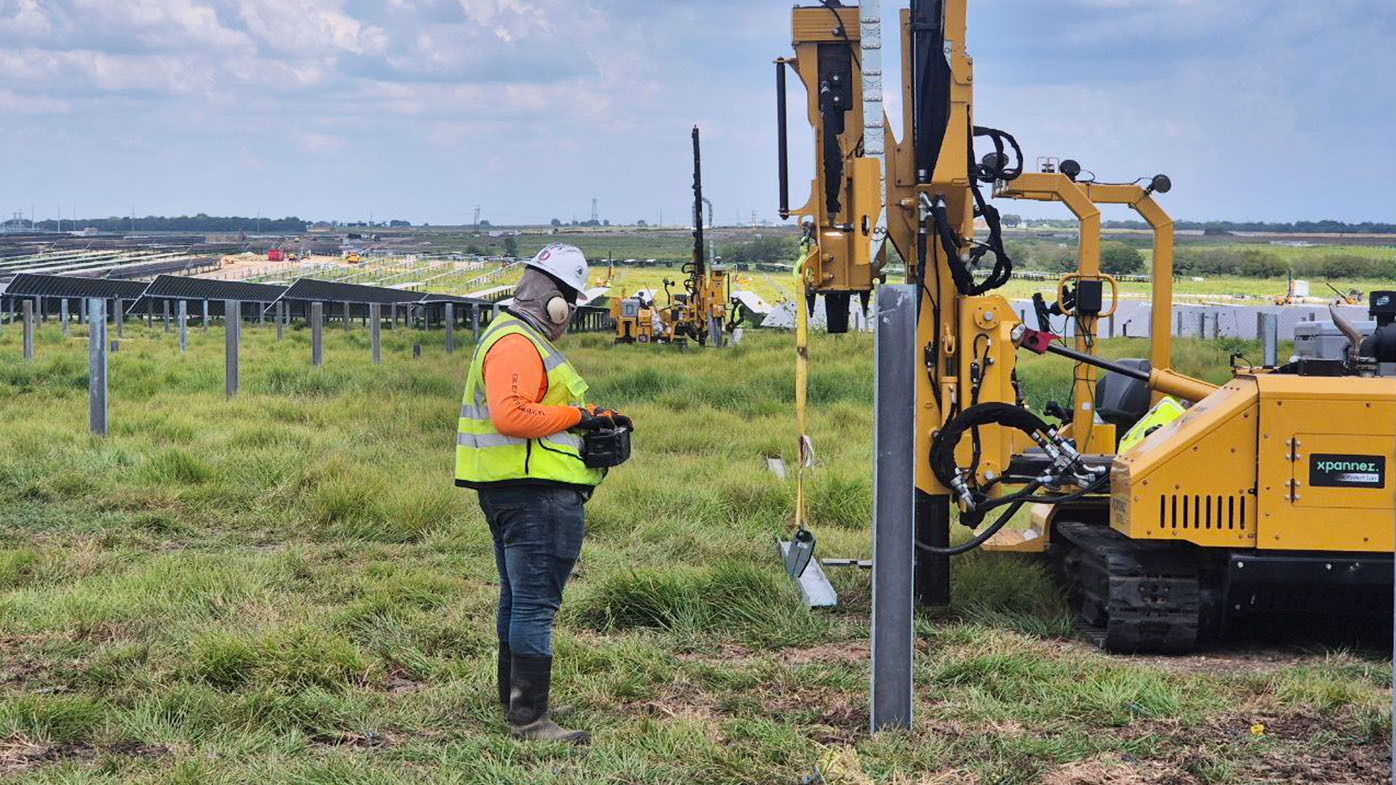
Energy, utilities, and large-scale infrastructure: The need to rapidly expand renewable energy, strengthen the grid, and support explosive data center growth will drive unprecedented automation investment. Reasons: Workforce shortages, Tight construction and deployment timelines, Need for precision and safety, Pressure to deliver large projects at scale. Construction: Construction is entering a robotics adoption phase similar to where manufacturing was 15–20 years ago. Drivers include: Severe labor gaps, A surge in demand from data centers, clean energy, and industrial projects, Increasing regulatory and safety pressures, Growing acceptance of automated field operations. Manufacturing & logistics: Already advanced sectors, but geopolitical shifts and reshoring will push for: Higher throughput, Quality automation, Autonomous material movement, More flexible human-robot collaboration. Agriculture and mining: These industries combine repetitive tasks with hazardous or remote environments - conditions ideal for automation. Investment will accelerate because robotics offers: Better safety, Predictable productivity, Higher yield and resource efficiency.
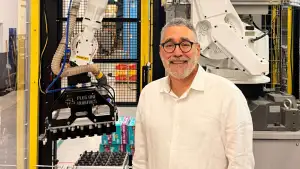
Henri Lee: Co-Founder and CEO, Xpanner

What robotic technology/technologies do you expect will make the most impact in 2026?

AI-native control systems for physical tasks: The biggest impact will come from robotic systems that integrate AI directly into motion planning, perception, and decision-making. Instead of pre-programmed steps, machines will increasingly learn from real-world data, operator demonstrations, and simulations. This shift will allow robots to handle unstructured, complex environments that were previously too variable for automation. Multi-sensor perception and fusion: Robots will combine signals from cameras, IMUs, LiDAR, radar, GNSS, and force sensors into a unified understanding of their surroundings. This will significantly improve reliability and safety across sectors such as construction, mining, agriculture, logistics, and manufacturing. Remote operations & tele-supervision infrastructure: Low-latency communication, resilient edge computing, and intuitive teleoperation interfaces will allow one operator to supervise or control multiple machines - even across long distances. This addresses global labor shortages and opens the door for distributed, 24/7 operation models. Task-level automation modules: 2026 will bring a rise in modular automation units that focus on specific tasks - precision placement, inspection, material handling, repetitive motion tasks.

What is your boldest robotics prediction for 2026?

Robotics will shift from automating “individual machines” to automating “end-to-end workflows.” Across many sectors, we will begin to see: Multiple machines coordinating through shared data, Automated task sequencing, Human operators supervising workflows rather than individual robots, Real-time optimization across entire job processes. This marks the early emergence of “physical workflow orchestration” - a new layer that manages how physical work gets done across systems, tasks, and teams. Bold prediction: By the end of 2026, 20-30% of high-volume infrastructure and industrial workflows will include at least one automated or semi-autonomous robotic process step, without requiring full system replacement. This “plug-in” approach makes robotics more accessible and scalable for small and large enterprises alike.

What industry/industries do you expect will invest more in robotics and automation in 2026 and why?

Energy, utilities, and large-scale infrastructure: The need to rapidly expand renewable energy, strengthen the grid, and support explosive data center growth will drive unprecedented automation investment. Reasons: Workforce shortages, Tight construction and deployment timelines, Need for precision and safety, Pressure to deliver large projects at scale. Construction: Construction is entering a robotics adoption phase similar to where manufacturing was 15–20 years ago. Drivers include: Severe labor gaps, A surge in demand from data centers, clean energy, and industrial projects, Increasing regulatory and safety pressures, Growing acceptance of automated field operations. Manufacturing & logistics: Already advanced sectors, but geopolitical shifts and reshoring will push for: Higher throughput, Quality automation, Autonomous material movement, More flexible human-robot collaboration. Agriculture and mining: These industries combine repetitive tasks with hazardous or remote environments - conditions ideal for automation. Investment will accelerate because robotics offers: Better safety, Predictable productivity, Higher yield and resource efficiency.

Editors' Picks

The future of CFD is connected, automated, and AI-enabled

From geometry preparation to AI-assisted analysis, integrated CFD workflows…
Festo gets a grip on AI-based picking

Software-based GripperAI manages mixed picking through basic geometry
How Beckhoff Automation’s EtherCAT and controllers power Dexterity’s Mech ‘superhumanoid’ robot

Safety, communication and motion control components enable smooth operation

Automate 2026: Forklifts, physical AI, vision systems and more from day three in Chicago

North America’s largest robotics and automation event winds down