What robotic technology/technologies do you expect will make the most impact in 2026?
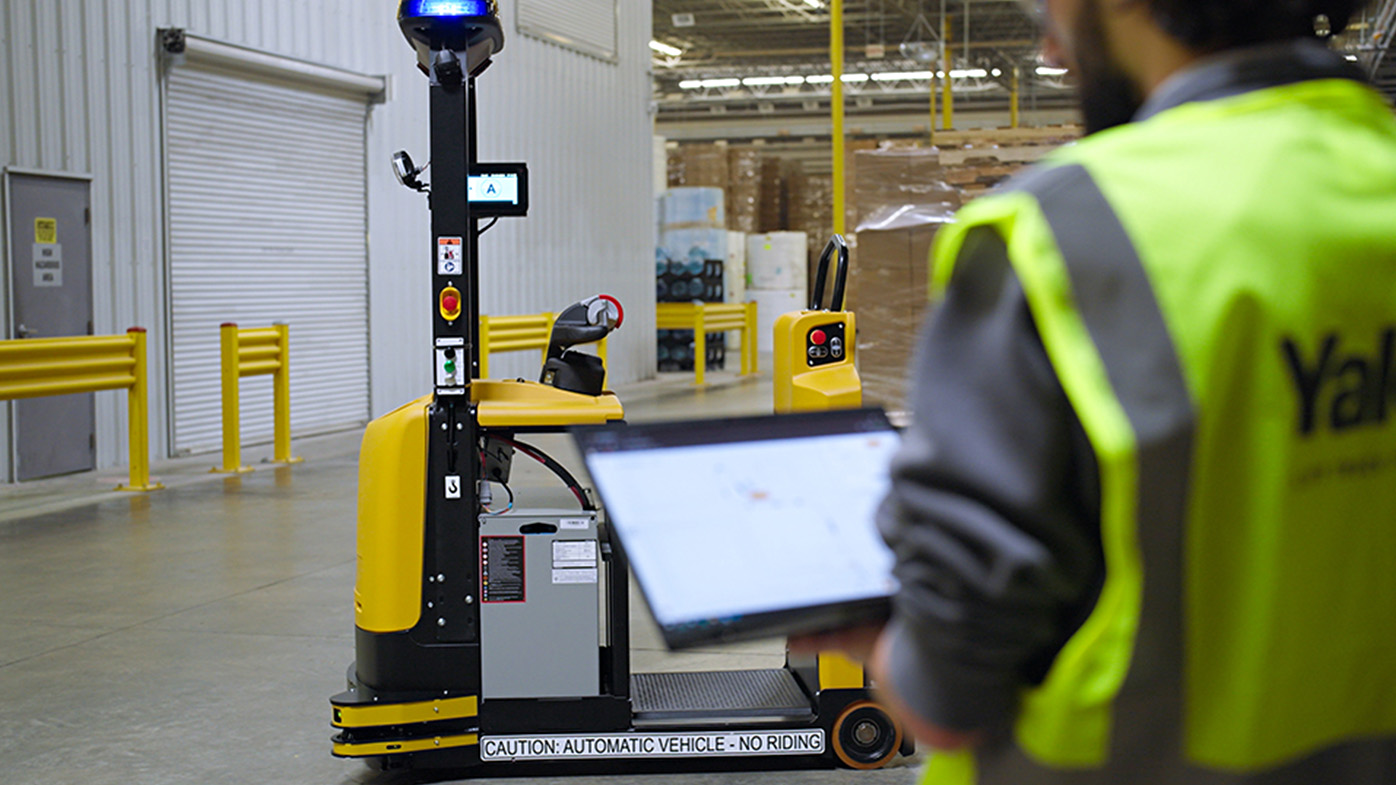
My thought is less of a new technology and more of an evolution of the automation paradigm. For a long time, customers have told us that one of the biggest barriers to automating their lift truck fleet is just how complicated and expensive the process is. And that’s not just the cost and difficulty of the actual implementation - that also includes how difficult and costly it is to employ a team of software engineers who can make it happen. The greatest impact a technology or evolution can have is to enable more operations to actually utilize it. Solutions that remove coding requirements from the implementation process can do just that and will allow more warehouses to attack pressing labor and productivity challenges.
What is your boldest robotics prediction for 2026?
I’m no fortune teller, but given my response to what technologies will make the most impact in 2026, I think automation solutions will continue to become more user-friendly in the new year. Automation should simplify challenges, not add to them. And in their current state, with heavy coding requirements and a lack of qualified software engineers, automated solutions are just creating more challenges for the operations that need it most. An increase in user-friendliness will help to speed up implementation.
What industry/industries do you expect will invest more in robotics and automation in 2026 and why?
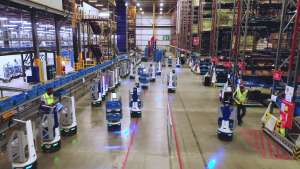
We expect to see warehouses continue to invest in automation in 2026, especially when it comes to automated lift trucks. Warehouse labor turnover has hovered around 40% in recent years, creating a shortage of qualified operators. As a result, 70% of lift truck accidents can be attributed to operator error. This can lead to thousands or even millions of dollars in additional costs each year, even as operating costs skyrocket. Automated lift trucks can help to fill the gap of qualified operators and reduce the likelihood of lift truck accidents through their predictability, ultimately helping to reduce operating costs for warehouses. Additionally, automation can help to reduce downtime and improve throughput during a period where warehouses are handling five times more SKUs than previous years, making it possible to handle such demands.
GENISOM AI makes ICRA debut at conference in Vienna

World's first omni-modal evaluation including tactile sensing for…

Ultrasonic sensing enhances robotics perception

Cybernetix Ventures’ event kicks off Robotics Tech Week 2026 slate of events