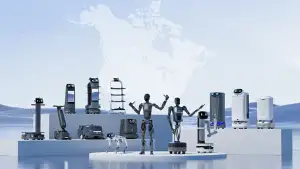
What robotic technology/technologies do you expect will make the most impact in 2026?
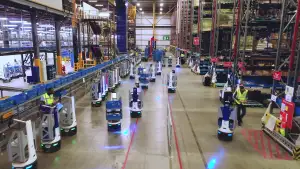
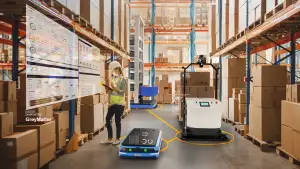
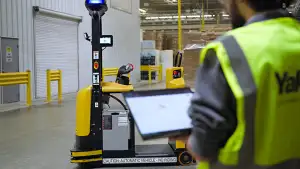
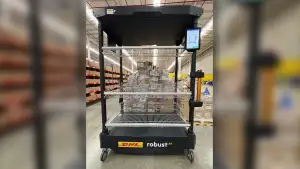
As an agnostic field service provider to the robotics industry, we have a unique perspective that gives us deep insight into how different types of robots are being adopted across industrial, commercial, and even consumer environments. While humanoid robots offer exciting long-term possibilities for some applications, I predict that AMRs and other mobile robots will create the most meaningful impact in 2026. These robots are already transforming operations as they move materials through warehouses and manufacturing facilities, deliver food and supplies in restaurants and hospitals, and even perform autonomous cleaning and sanitization tasks in commercial buildings. Fleet management software helping OEMs and their customers manage these robots continue to advance as well. Humanoid robots will certainly have a significant impact in the future but not so much in 2026.
What is your boldest robotics prediction for 2026?
A recent McKinsey & Company report stated that humanoid robots can only scale when they have crossed four bridges, safety; sustained uptime; dexterity and mobility; and cost. As we’re seeing at Roboworx, more humanoid robot OEMs are building a service infrastructure to help cross at least two of those bridges - sustained uptime and cost - so the OEM can focus on advancing safety and dexterity/mobility. As a result, I think we will see humanoid robots safely working alongside human employees by the end of 2026. This will be a significant step forward toward scaling humanoid and general-purpose robots in the workplace.
What industry/industries do you expect will invest more in robotics and automation in 2026 and why?
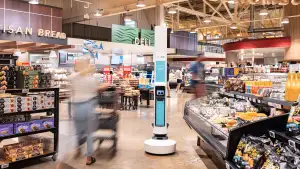
We work with robots in a variety of industries and have seen significant growth in both food service and logistics. I expect that trend to continue in 2026 due to labor shortages, high labor costs, constant turnover as well as safety concerns.
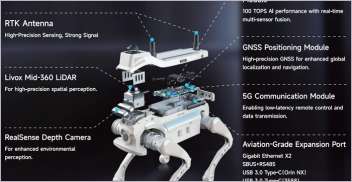
GENISOM AI makes ICRA debut at conference in Vienna

World's first omni-modal evaluation including tactile sensing for…

Ultrasonic sensing enhances robotics perception
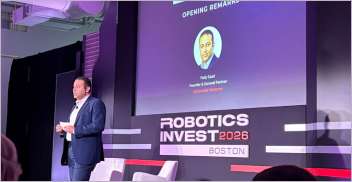
Cybernetix Ventures’ event kicks off Robotics Tech Week 2026 slate of events