What robotic technology/technologies do you expect will make the most impact in 2026?
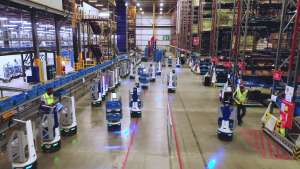
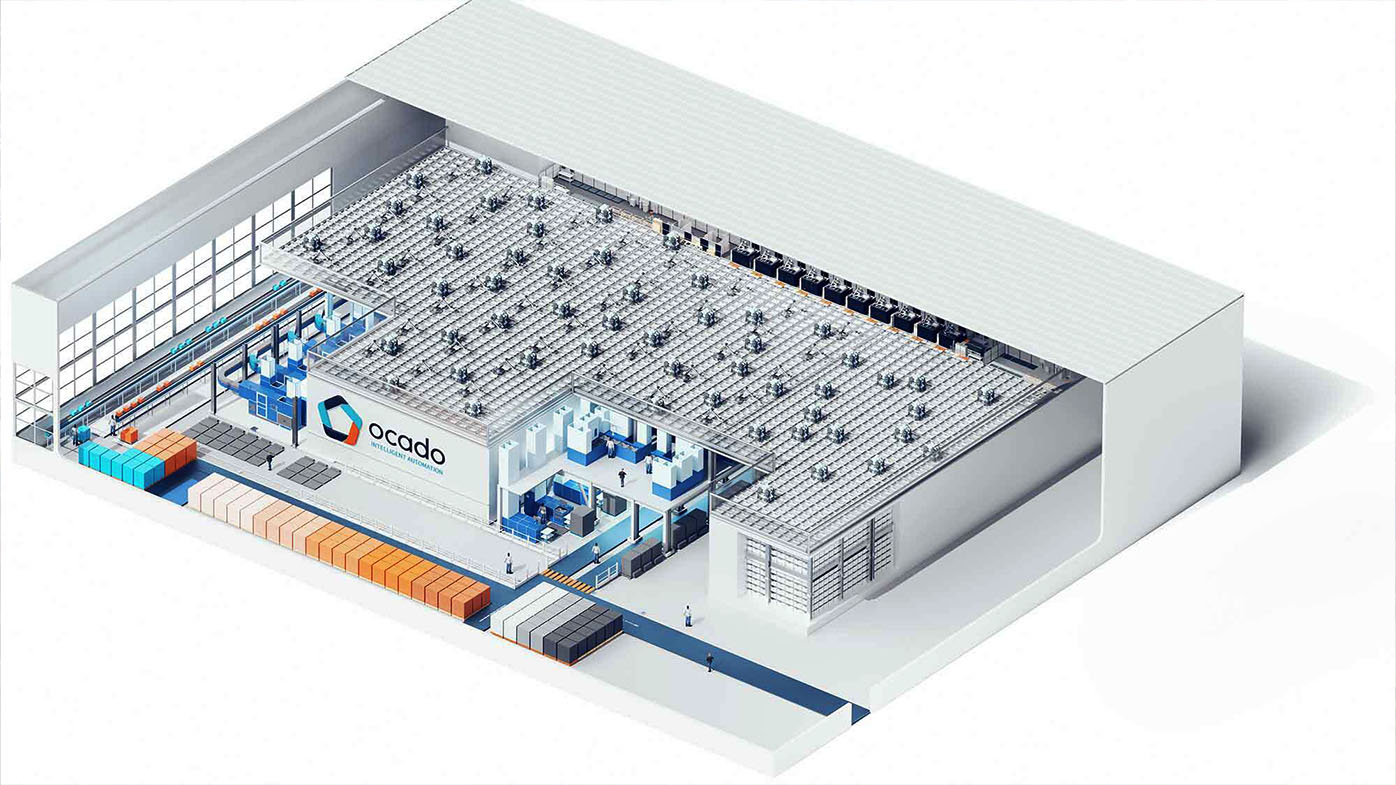
Robotic deployments are becoming more complex as operators move from point solutions to whole ecosystems of automation. The most forward-looking companies want certainty before they commit, so they rely on simulation to understand performance, resilience and ROI before anything is built. This shift is shaping how decisions are made, what gets deployed and how quickly new technology reaches the floor. At the same time, orchestration will matter just as much as the robots themselves. Real-time AI control systems that coordinate fleets of mobile robots, pick arms, workstations and people will enable higher throughput and lower cost. These systems take a holistic view of the site, continually optimizing travel paths, storage locations, task allocation and energy use. Simulation will also become standard for planning and sign-off, giving operators far more certainty before they commit to major builds. What’s changing is how widely it will be applied. It won’t just support the largest automation programs; it will become a routine part of every fulfillment project, big or small. Teams will be able to test seasonality, layout changes and capacity decisions up front, reducing risk and speeding up alignment across engineering, operations and commercial functions.
What is your boldest robotics prediction for 2026?
In 2026 we’ll see a single robotic installation pick 5 million items in one week! That’s more than a quarter of a billion in a year. That level of output is now within reach because modern picking systems can improve themselves as they run. With better vision, stronger machine learning models and practical reinforcement learning robots get faster, more accurate and more reliable simply through experience on real stock. We’ve all talked about “lights-out” for years, and we’re still some distance from a fully hands-off site, but 2026 will move us much closer. The biggest leaps will come in how exceptions are managed, with far more of them handled remotely instead of needing someone on the floor. Robotic and AI systems will deal with a broader range of awkward items and unexpected situations, getting us closer to a world where only the rarest edge cases still need a person to intervene.
What industry/industries do you expect will invest more in robotics and automation in 2026 and why?
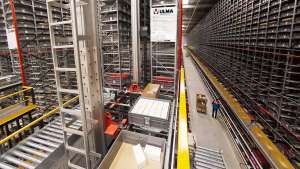
Healthcare, pharmaceuticals, spare-parts logistics and apparel will all ramp up investment in 2026. Each faces a mix of labor shortages, tight service expectations and rising regulatory pressure. In pharma and healthcare, the need for full traceability and high uptime makes automated fulfilment an obvious choice. Robots provide consistent handling, precise audit trails and reduced risk of error. Spare parts and apparel have huge catalogues that suit AI-driven systems. As robotic picking expands the range of items it can manage, these industries have a clear opportunity to move away from labor-heavy, unpredictable processes and towards stable, scalable automation. Retailers and third-party logistics providers will invest heavily for similar reasons. They need systems that can absorb peaks, respond to volatile demand and meet fast-delivery commitments without letting cost spiral. Advanced simulation and orchestration will help them plan capacity more accurately and run leaner day to day. The sectors that rely on precision, resilience and consistent throughput will lead the next wave of investment, because smarter automation is now becoming a strategic advantage rather than an experiment.
GENISOM AI makes ICRA debut at conference in Vienna

World's first omni-modal evaluation including tactile sensing for…

Ultrasonic sensing enhances robotics perception

Cybernetix Ventures’ event kicks off Robotics Tech Week 2026 slate of events