What robotic technology/technologies do you expect will make the most impact in 2026?
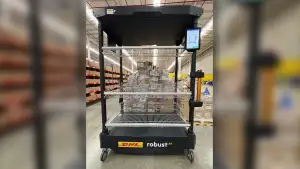
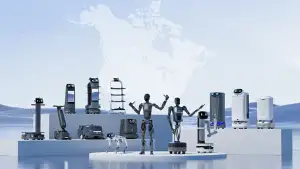
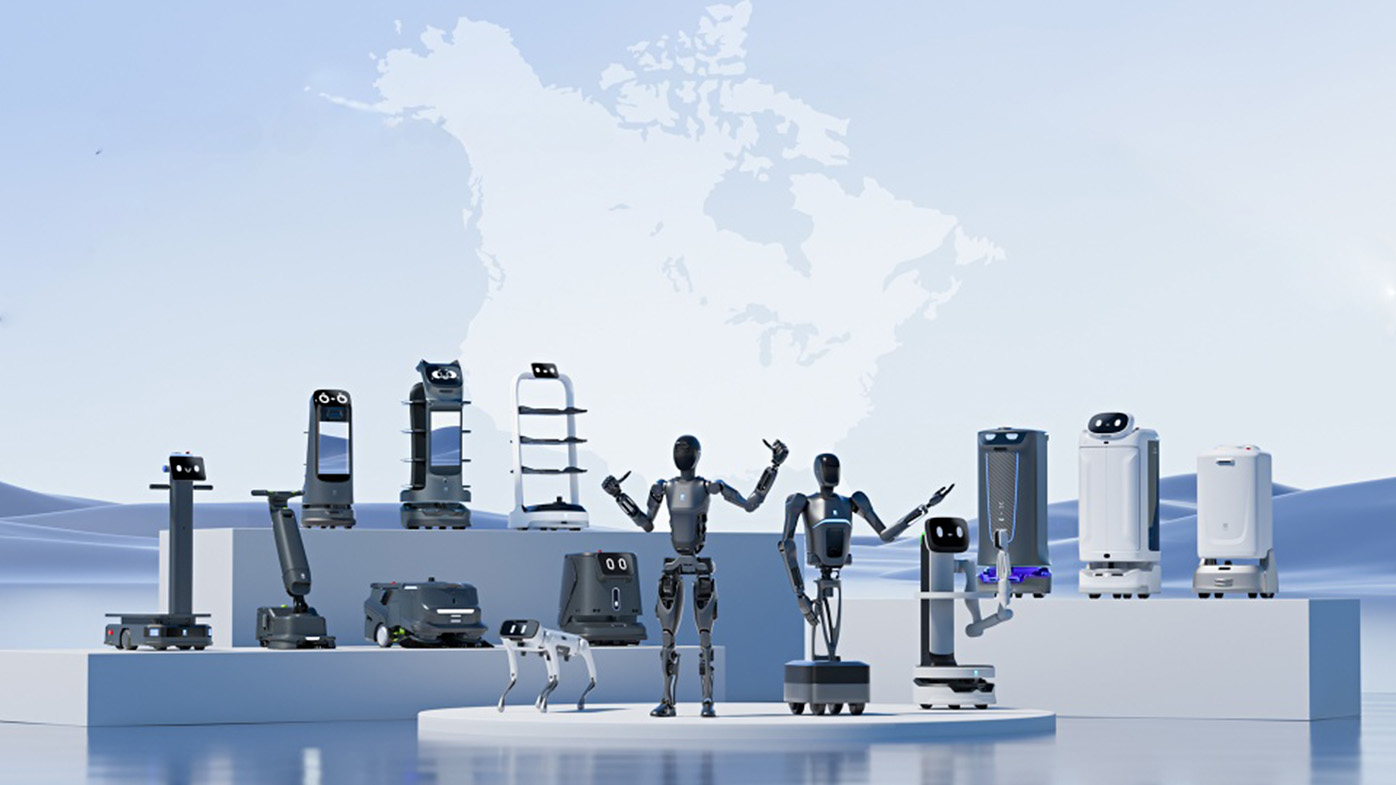
Specialized cleaning and delivery systems will remain the most influential technologies for businesses in 2026. Improved resilience and user-friendliness will be extremely appealing to organizations beginning their digital transformation journey, while flexibility and scalability will help companies running pilot projects to expand their automation to meet shifting customer flows and demand. Interest in cleaning robots will rise as other dependable, affordable maintenance options remain limited and sustainability and brand reputation become increasingly important. Growing competition across major sectors has raised the stakes for strong first impressions, and robotics help companies present themselves as hygienic, environmentally conscious, and technologically progressive. Delivery robots are no longer restricted to warehouses, factories, or manufacturing environments. A wider mix of adaptable models with promotional displays, interactive AI tools like shopper assistance, and modular attachments such as luggage carriers, recycling bins, or bellhop racks will expand their utility. Reliable, scalable, task-focused robots will define 2026 by offering measurable competitive gains through safe, future-leaning, and environmentally responsible spaces.
What is your boldest robotics prediction for 2026?
As robotics manufacturers continue to enhance 3D perception, edge computing, LiDAR, and infrared sensing, as well as robotic maneuverability and suspension, outdoor robotics will reach a breakthrough in 2026 as systems become rugged enough for uneven terrain, weather exposure, and extreme temperatures. Automatic charging systems, or 'plug and go' easily accessible battery replacement, become more refined and ubiquitous, outdoor robotics will increase the curiosity around sidewalk delivery robotics, especially for college or hospital campuses, surveillance or patrol robots to monitor cleanliness or disturbances in large facilities, and even landscaping and lawn mowing robotics to help maintain turf. These outdoor units will increasingly connect with indoor fleets through shared IoT ecosystems, creating seamless end-to-end logistics. 2026 will be the year outdoor robotics shifts from pilot projects to essential, scalable infrastructure.
What industry/industries do you expect will invest more in robotics and automation in 2026 and why?
Healthcare, retail, entertainment, and hospitality are among the three industries that we believe will accelerate robotics adoption in 2026 as labor shortages deepen and nonstop service becomes routine. With RaaS reducing upfront costs, these sectors will shift from small pilots to wider deployment. Healthcare and elderly care facilities will broaden their use of cleaning and delivery robots to strengthen hygiene and streamline internal workflows. More providers will adopt NFC-secured systems to move supplies throughout hospitals, while senior living centers will use similar units to transport meals, linens, and essential items. Retail, especially 24/7 convenience stores and major chains, will adopt cleaning, shelf-moving, and delivery robots to support staff with sanitation and replenishment. Additional robots programmed to travel through aisles, carrying promotional items and presenting advertisements, are gaining traction in North American markets. Decision makers for businesses ranging from neighborhood convenience stores to upscale shopping malls will integrate more scrubbing and sweeping robots to create cleaner, more attractive environments. The entertainment industry, including high-end sports and concert arenas, has shifted towards automation, piloting vacuuming, sweeping, and scrubbing robots, as well as industrial delivery robots to transport heavy items over long distances for crews during setup and take-down. Sweeping and scrubbing units for terraces, sidewalks, pedestrian zones, and parking decks will gain additional momentum in 2026. Casinos, hotels, and cruise lines will increase spending to elevate guest satisfaction, reinforce safety, and reduce repetitive work. More friendly delivery units with promotional screens will move beyond factories and warehouses into hospitality settings. Contactless room service and food or drink runners in casinos and grocery stores will become more visible. Heavy-hauler robotics will also aid housekeeping and maintenance staff with carting heavy laundry bins or tools for them, reducing labor strain. Overall, we expect that in 2026, more businesses will overcome initial friction to use more specialized robotics, elevating them from novelties to practical essentials to help them become more competitive.
GENISOM AI makes ICRA debut at conference in Vienna

World's first omni-modal evaluation including tactile sensing for…
Ultrasonic sensing enhances robotics perception

Cybernetix Ventures’ event kicks off Robotics Tech Week 2026 slate of events