What robotic technology/technologies do you expect will make the most impact in 2026?
In 2026, robots will get much better at using their “hands.” This will be one of the most significant changes in robotics. For years, robots have been great at simple, repetitive tasks, but they have struggled with jobs that are messy, unpredictable, or require gentle handling. That starts to change in 2026. New AI systems will help robots understand what they see, feel, and need to do, even when objects are different shapes or placed in random ways. Robots will be able to pick up soft items, sort mixed materials, prepare tools, handle small parts, and work safely alongside people. Mobile robots with arms (notice I didn't say humanoids) will take this even further by moving around factories and stores to help where needed. These improvements won’t just look good in videos; they will solve real problems for companies that can’t hire enough workers or face many injuries from repetitive tasks. In 2026, robot “hands” finally catch up to robot “brains,” unlocking major change.
What is your boldest robotics prediction for 2026?
My bold prediction for 2026 is that the humanoid robot boom will hit its first big reality check. Over the last two years, companies have unveiled numerous humanoid prototypes and raised significant amounts of money. But not all of these robots are ready for real work. Some are too expensive, too fragile, or too hard to support in the field. As buyers and investors start to look more closely, at least one well-known humanoid robot startup will fail or get bought for much less than it was worth on paper. This won’t stop progress. Instead, it will help the industry grow more thoughtfully and realistically. The companies that survive will be the ones that focus on solving real problems, not just making cool videos. A short “humanoid winter” will make the next wave of humanoids stronger.
What industry/industries do you expect will invest more in robotics and automation in 2026 and why?
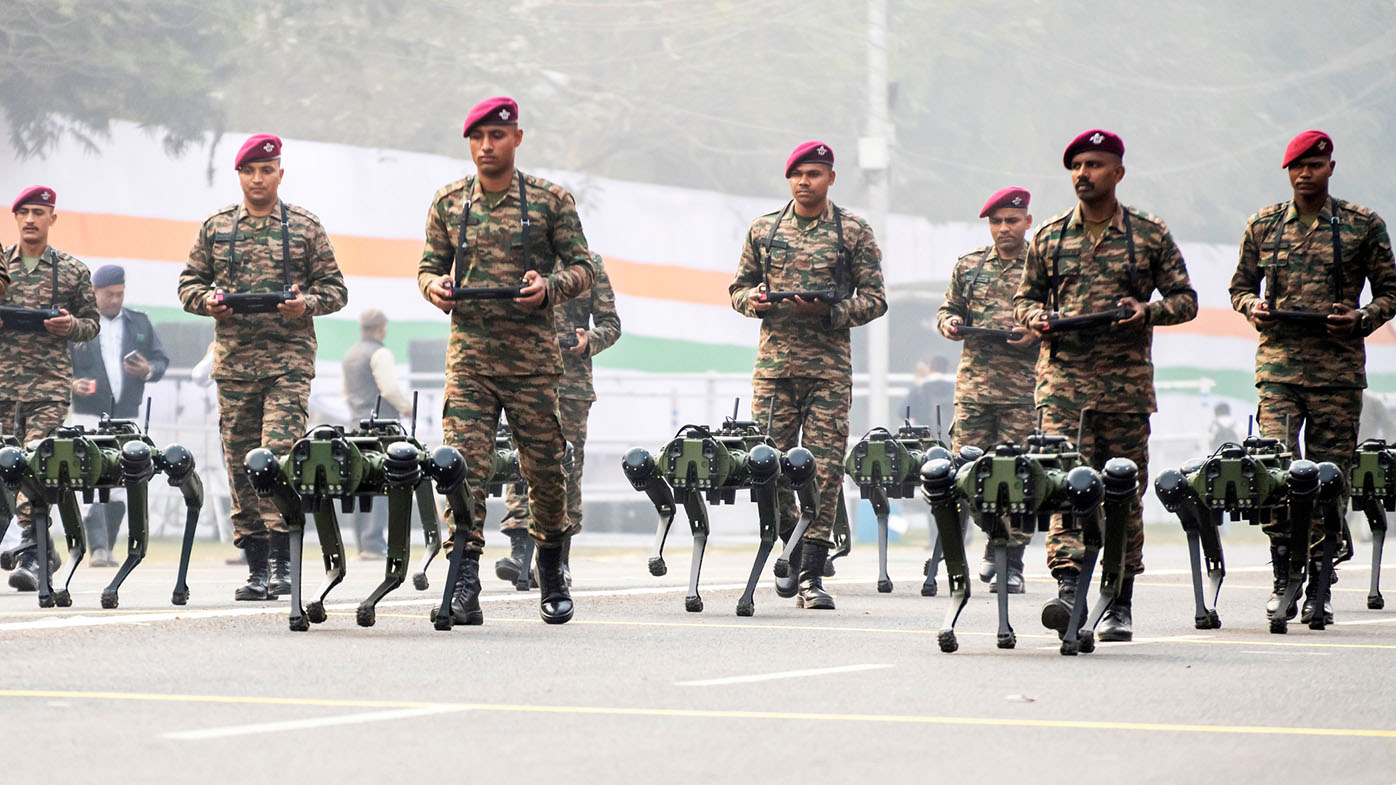
In 2026, the defense and public safety sectors will likely invest more in robots than in almost any other industry. Around the world, governments are facing more emergencies, more challenging missions, and dangerous situations where people can get hurt. Robots are becoming a safer way to handle many of these challenges. New robots, such as four-legged robots, flying drones, tracked robots, and even early humanoids, can enter hazardous areas, search damaged buildings, move supplies, check for hazards, or help after disasters. These robots are also becoming tougher, smarter, and easier for teams to use. At the same time, groups like ASTM and NIST are developing more explicit testing rules and safety standards, making it easier for agencies to trust and adopt this technology. Because these robots protect human lives, defense and public safety organizations will move quickly, making 2026 a major growth year for robotics in this space.
GENISOM AI makes ICRA debut at conference in Vienna

World's first omni-modal evaluation including tactile sensing for…

Ultrasonic sensing enhances robotics perception

Cybernetix Ventures’ event kicks off Robotics Tech Week 2026 slate of events