What robotic technology/technologies do you expect will make the most impact in 2026?
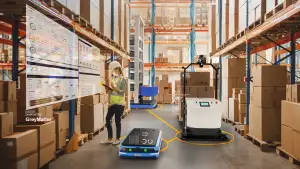
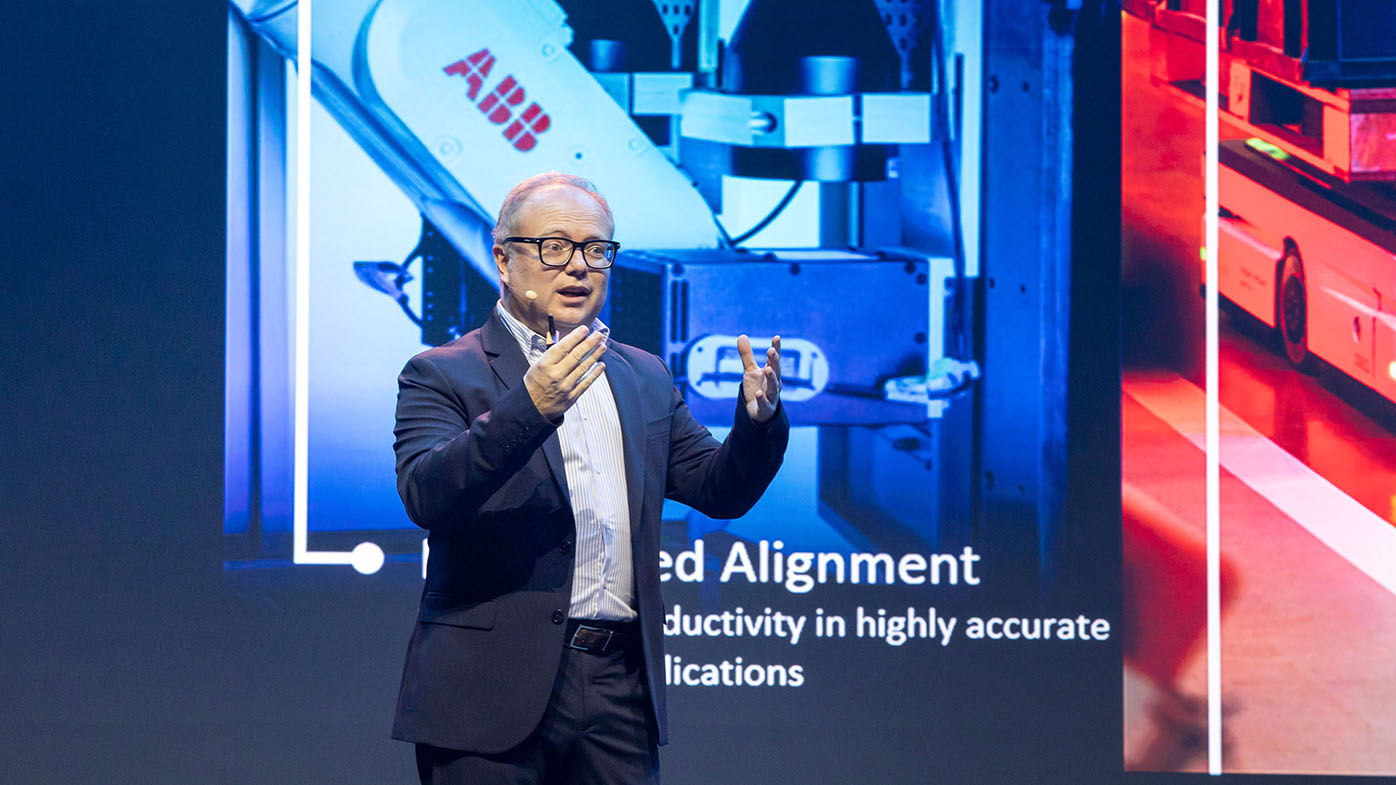
We are at a tipping point for Artificial Intelligence (AI) and industrial robotics. AI in robotics isn’t new. Over the past decade we’ve given robots eyes through 3D AI vision, hands through advanced force-sensing and precision dexterity, and mobility through autonomous navigation. But, in 2026, we will take major steps to combine these capabilities, creating what we call Autonomous Versatile Robotics, to help companies realize the true benefits of smart manufacturing. Enabled by a quantum leap forward in generative AI, we are driving innovation beyond a fixed world of operating procedures and coding, to one where mobile robots can plan and execute a diverse range of tasks autonomously. With AI, robots will be able to understand and follow spoken instructions without programming, cope autonomously with changing surroundings or new objects, and switch between tasks seamlessly. The companies that embrace AVR will be better equipped to optimize production processes, improve efficiency and enable real-time decision-making in manufacturing.
What is your boldest robotics prediction for 2026?
In 2026, we will be able to fully virtualize robotics applications in photo-real, physics-accurate generative AI simulations, closing the simulation-to-real gap. Being able to fully simulate the texture and physical properties of a product or component, its lighting and shadow, will enable us to develop, train and deploy robots faster than ever before using synthetic data and eliminate physical prototyping stages. This merging of the digital and physical worlds will enable a near-flawless transfer from simulation to reality for businesses for the first time and finally bring the manufacturers’ dream of parallel engineering to life.
What industry/industries do you expect will invest more in robotics and automation in 2026 and why?
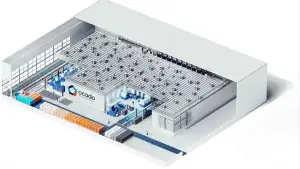
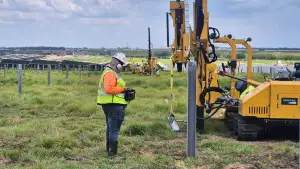
The advancements in AVR will provide significant advantages to all sectors, but especially those with less automation historically - from construction, to logistics, to SMEs, to healthcare and life sciences. We see hyper-realistic simulation having a particular impact in electronics manufacturing, for example, reducing the commissioning time and the prototyping costs, while speeding up production with robots able to achieve human-level dexterity in component assembly, with robotic speed and consistency. Together, these advances will continue to lower the barrier to automation for many companies, with robots able to do more things, in more places, and do it faster, safer and smarter - encouraging further investment in robotics.
GENISOM AI makes ICRA debut at conference in Vienna
World's first omni-modal evaluation including tactile sensing for…

Ultrasonic sensing enhances robotics perception

Cybernetix Ventures’ event kicks off Robotics Tech Week 2026 slate of events