What robotic technology/technologies do you expect will make the most impact in 2026?
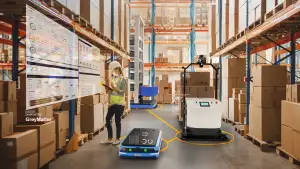
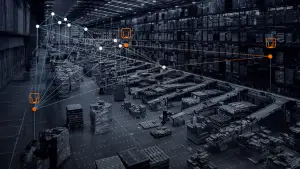
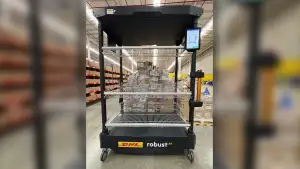
In 2026, the most transformative gains won’t come from a single piece of hardware - they’ll come from software that unifies everything. Platforms that synchronize ASRS, AMRs, conveyors, and vision cells, applying AI for planning, exception handling, and simulation, will redefine operational efficiency. These systems shorten time-to-value, reduce COPQ, and elevate service levels by orchestrating people, processes, and machines in real time. It’s about creating smarter, more resilient logistics ecosystems. Autonomous Mobile Robots (AMRs) will continue to serve as the flexible backbone for brownfield sites and distributed fulfillment. Unlike legacy AGVs, modern AMRs are simple to plan, implement, and adapt. Changing a route or adding a pick-up station is fast and cost-effective, making them ideal for dynamic environments. When paired with orchestration software and digital twins, AMRs unlock fleet optimization at scale. Finally, physical testing will become the exception. High-fidelity simulations - digital twins, physics-accurate robot modeling, and scenario-based validation - will dominate pre-launch workflows. This shift saves time, stabilizes deployments, and builds customer confidence before a single robot hits the floor.
What is your boldest robotics prediction for 2026?
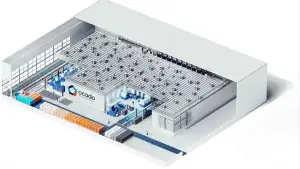
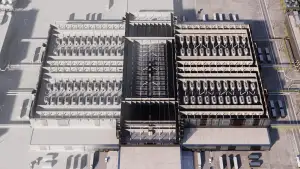
The most valuable robotics innovation won’t be a robot - it will be AI-assisted orchestration platforms. Think WES/WMS systems enhanced with physical AI agents that autonomously configure, simulate, and optimize mixed fleets - unit load, AMRs, shuttle grids, robotic cells - delivering measurable throughput gains without major CapEx. These platforms go beyond traditional automation software. They enable real-time orchestration of warehouse operations, dynamically responding to demand shifts, labor constraints, and inventory fluctuations. By reducing complexity and connecting automation, processes, and people in one synchronized intelligence layer, they empower businesses to optimize logistics with confidence.
What industry/industries do you expect will invest more in robotics and automation in 2026 and why?
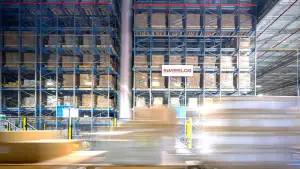
Pharmaceuticals: U.S. policy changes are accelerating domestic manufacturing. As pharma companies onshore production, warehouse automation becomes critical for compliance, efficiency, and scalability. Robotics will be a cornerstone of these new ecosystems. General Merchandising & Apparel: Labor shortages, SKU proliferation, and rising service expectations are reshaping retail logistics. In 2026, success at scale will hinge on strategic automation investments to deliver speed, reliability, and cost control. Manufacturing (Grocery, F&B, Electronics): Manufacturers will increasingly connect production lines with automated storage to reduce errors, boost throughput, and ensure operational flexibility. This integration is essential for capacity ramp-ups and maintaining efficiency under pressure.

GENISOM AI makes ICRA debut at conference in Vienna

World's first omni-modal evaluation including tactile sensing for…

Ultrasonic sensing enhances robotics perception

Cybernetix Ventures’ event kicks off Robotics Tech Week 2026 slate of events