What robotic technology/technologies do you expect will make the most impact in 2026?
AI for manufacturing robots is effectively meaningless, not because it isn’t possible, but because it is unnecessary. AI will prove most innovative in variable, unpredictable environments like warehouses, construction, and agriculture, far more than in high volume manufacturing. The ability for robots to leverage advanced AI models for decision-making and remote operation will become the defining competitive edge. In 2026, expect “AI in motion” to separate the innovators from the imitators and redraw the map of robotics leadership.
What is your boldest robotics prediction for 2026?
It’s too late for American robot companies. China dominates robotics because it has a national strategy, and Japan succeeded decades ago for the same reason. Despite the calls from industry and the A3, the U.S. still lacks a comprehensive approach, and while the administration is trying to foster domestic robot production, the era of homegrown full-service robotics giants is over. In 2026, expect companies like FANUC, ABB, Yaskawa and Universal to expand assembly operations in North America, but building all their robot models domestically at scale? That ship has sailed. Leadership in robotics will increasingly belong to countries that combine industrial ambition with long-term policy, leaving the U.S. in catch-up mode.
What industry/industries do you expect will invest more in robotics and automation in 2026 and why?
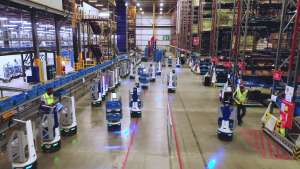
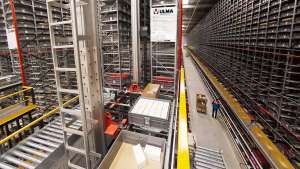
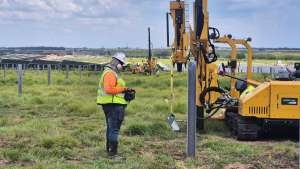
I'm a warehouse automation guy so it is fascinating to see how the construction industry is following a similar trajectory. There are so many different applications in construction that robot startups are attempting to tackle. From layout, to framing, to sheetrock, to paint, to site work. The labor crunch combined with the influx of sensors and talent from autonomous driving mean there is plenty of activity in this space ahead in 2026.
GENISOM AI makes ICRA debut at conference in Vienna

World's first omni-modal evaluation including tactile sensing for…

Ultrasonic sensing enhances robotics perception

Cybernetix Ventures’ event kicks off Robotics Tech Week 2026 slate of events