What robotic technology/technologies do you expect will make the most impact in 2026?
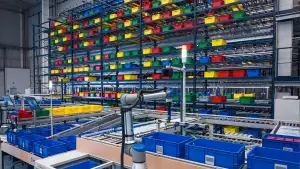
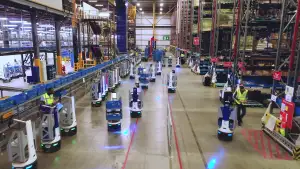
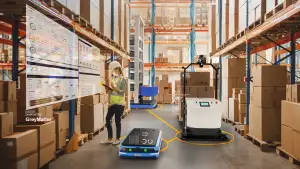
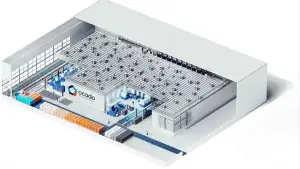
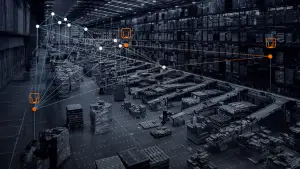
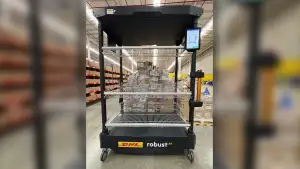
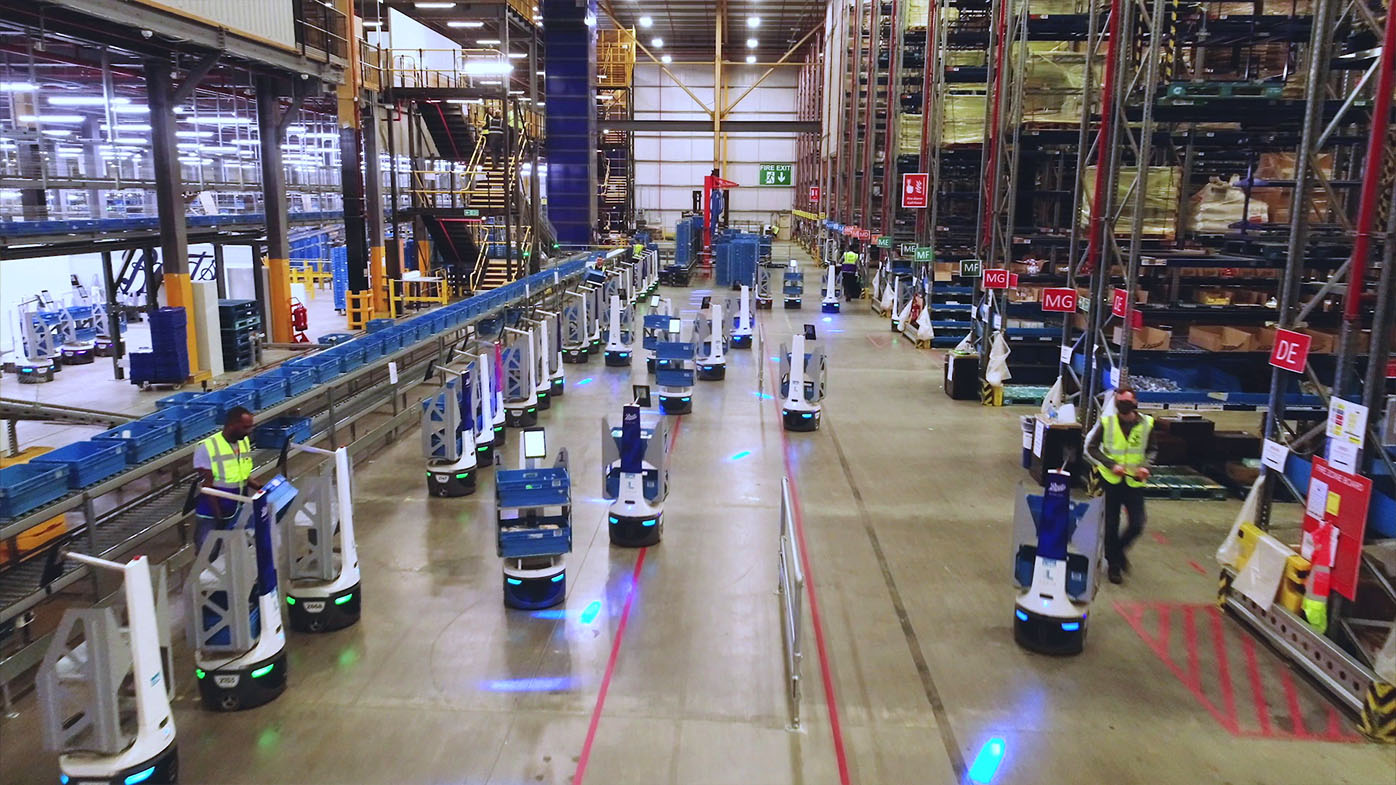
In 2026, the biggest impact will come from flexible robotics platforms that allow operators to automate at the pace of business change. With sustained demand volatility, labor instability, and shifting channel mix, the move away from fixed automation will continue to accelerate. Operators are prioritizing systems that can scale up and down, reconfigure quickly, and evolve with the network rather than infrastructure that hard-codes yesterday’s assumptions. Flexible robotics for picking, including Person-to-Goods (P2G) and emerging Robot-to-Goods (R2G) models is gaining momentum because it delivers both speed to value and long-term adaptability. These solutions deploy faster than fixed systems, absorb peak and volume swings, and adjust as SKU mix and order profiles change without requiring a major redesign. At the same time, flexible robotics is rapidly expanding beyond the pick face into workflows like putaway, sortation, returns, truck unloading, continuous inventory cycle counting, and case handling. What’s emerging is not just task automation, but warehouse-wide, coordinated systems that unify transport, handling, and real-time decision intelligence across the full operation.
What is your boldest robotics prediction for 2026?
My boldest prediction for 2026 is the arrival of mobile manipulation in the warehouse at true operational scale, enabling end-to-end automation with a level of flexibility and unit economics that hasn’t been possible before. This may shock some VCs, but this won’t take the form of general-purpose humanoids. Instead, purpose-built R2G mobile manipulation platforms will define the next era of flexible warehouse automation. These systems won’t just move goods from A to B, they will also perform the physical handling and picking within the same continuous workflow. It marks the shift from transport-only automation to all-in-one, production-grade mobile automation built for real warehouse throughput.
What industry/industries do you expect will invest more in robotics and automation in 2026 and why?
Retail, e-commerce, and 3PLs will continue to lead automation investment in 2026. These industries face the strongest combination of rising demand, volatile labor availability, and increasing pressure for faster, more reliable order fulfillment. Robotics provides a clear path to stabilizing operations, protecting service levels, and maintaining scalability through both peak and everyday volume. As automation becomes easier to deploy and manage across multiple sites, more operators will invest not just for efficiency, but to build long-term operational confidence against ongoing uncertainty.

GENISOM AI makes ICRA debut at conference in Vienna

World's first omni-modal evaluation including tactile sensing for…

Ultrasonic sensing enhances robotics perception

Cybernetix Ventures’ event kicks off Robotics Tech Week 2026 slate of events