What robotic technology/technologies do you expect will make the most impact in 2026?
The most impactful technology will be the convergence of Vision-Language-Action (VLA) models and physical AI. We are rapidly moving toward a future where robots learn new physical skills from minimal data and generalize those skills across different tasks and environments. This drastically improves adaptability and begins to unlock automation for high-mix, low-volume manufacturing.
What is your boldest robotics prediction for 2026?
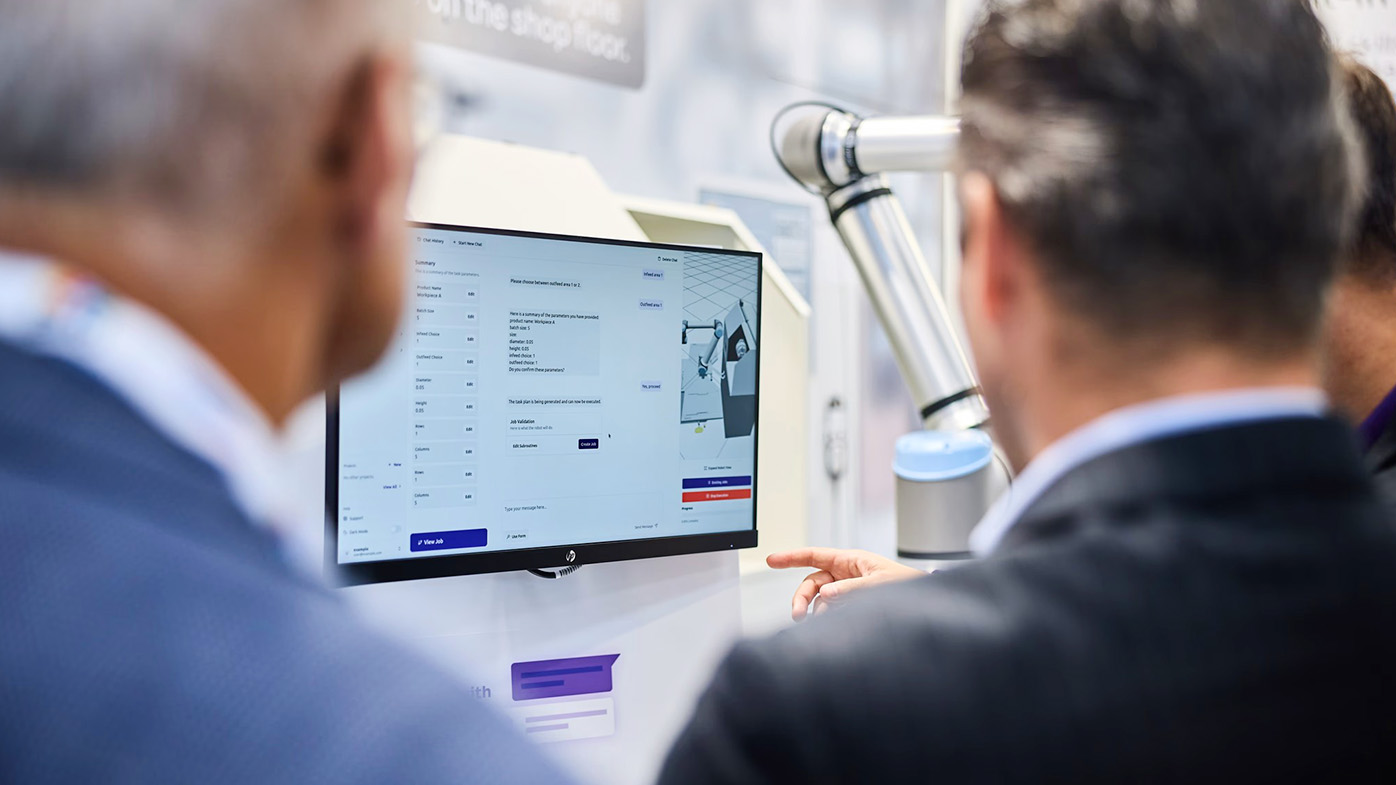
Our boldest prediction is that the total cost of robot systems integration will fall below the cost of the robot hardware itself. AI-driven platforms will simplify the integration process, reducing commissioning and re-tasking time from weeks to hours. This economic shift will trigger rapid adoption among manufacturers of all sizes who were previously priced out by complexity.
What industry/industries do you expect will invest more in robotics and automation in 2026 and why?
Manufacturing sectors that have high-mix, low-volume production, where traditional automation is too complex, will drive the highest growth in investment. This includes the Life Sciences and Pharmaceutical sectors, which will look for solutions utilizing AI-powered intelligence to solve this challenge. They need this flexibility to achieve process consistency, meet regulatory requirements, and address the severe shortage of specialized labor for quality control and bioprocessing.
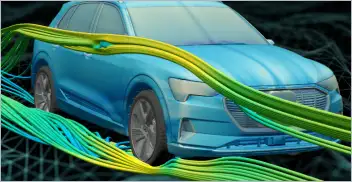
From geometry preparation to AI-assisted analysis, integrated CFD workflows…
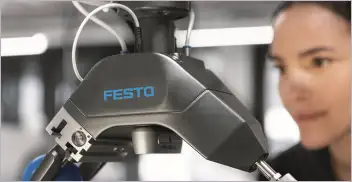
Software-based GripperAI manages mixed picking through basic geometry
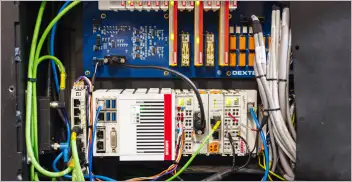
Safety, communication and motion control components enable smooth operation
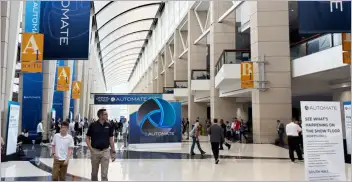
North America’s largest robotics and automation event winds down