What robotic technology/technologies do you expect will make the most impact in 2026?
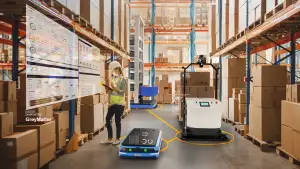
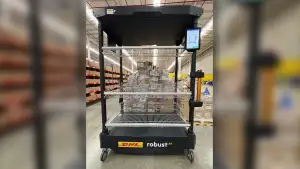
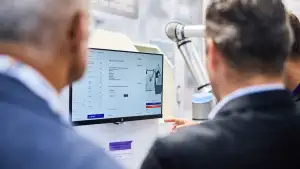
Honestly, 2026 is shaping up to be the year where AI-enabled intralogistics robots finally move from “nice pilot” to “real scale.” We’re already seeing it in Gartner client conversations with AMRs with dynamic path planning, AI vision systems for pallet and tote inspection, and robotic picking that’s finally breaking through the accuracy and speed thresholds needed for production environments. The biggest impact will come from robots that integrate tightly with MAO platforms, creating coordinated fleets that can adapt as operations change. This is something clients across manufacturing, retail, and 3PLs are asking about almost daily now. We may even see large-scale adoption of an integration standard for MAOPs such as VDA 5050.
What is your boldest robotics prediction for 2026?
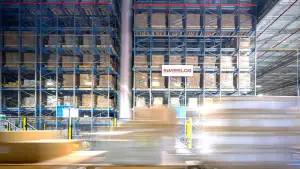
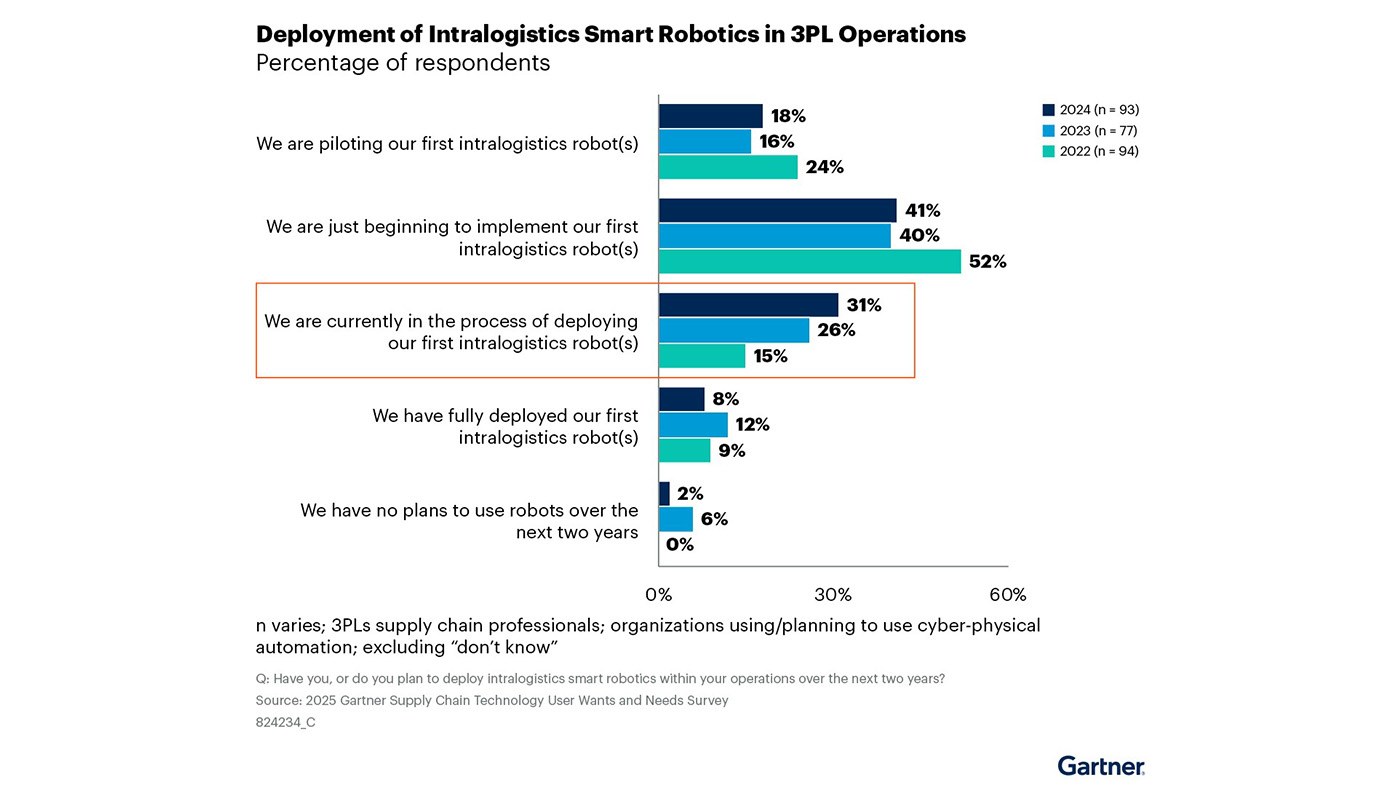
By the end of 2026? That is difficult to predict, but one thing for sure is AI will make warehouse operations more autonomous than people realize, and faster than the industry is psychologically ready for. We’re talking real-time orchestration where MAOPs dynamically assign work across AMRs, robotic picking arms, and automated storage systems with minimal human intervention. Gartner’s research shows that over 80% of those who have already deployed their first robot plan to expand their use of intralogistics smart robotics. Of those pursuing additional robotics use cases, over 90% will likely use different robotic form factors, with many procured from multiple vendors. This means there will be more heterogeneous fleets of robots we will have to manage. But the pace we’re seeing suggests that the inflection point arrives closer to 2027. If you really want a bolder take, I will say at least one major global retailer or 3PL will announce a near dark facility run with a blended fleet of robots, driven by AI decision engines and not scripted workflows.
What industry/industries do you expect will invest more in robotics and automation in 2026 and why?
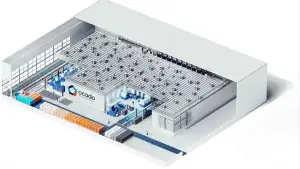
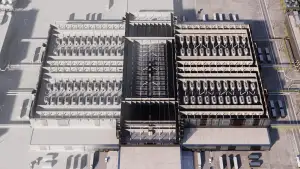
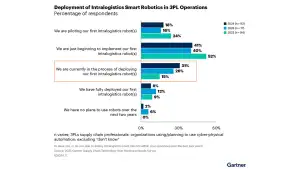
If I had to bet, consumer goods, 3PLs, and cold chain logistics will lead the charge in 2026. Every Gartner supply chain inquiry right now points to the same thing, labor volatility, aging infrastructure, and service level expectations are pushing companies toward automation faster than ever. 3PLs are under insane pressure to differentiate, and Gartner data shows they’re doubling investments in AMRs, robotic picking, and MAOP platforms to stay competitive. According to a Gartner survey, 98% of 3PLs either adopted intralogistics smart robots, are in the process of deploying them, or are considering adoption within the next two years. Consumer goods brands are chasing faster e-commerce fulfillment and higher inventory accuracy, which robotics directly improves. And cold chain logistics is largely untapped because low-temperature automation options hadn’t been available for a long time. Today, we see more freezer automation solutions than ever, especially for food and beverages. (Pharma cold chain is still untapped due to technological challenges). And real simply put, ROI is now clearer than the cost of unplanned downtime or labor shortages and the business case is finally stronger than the hesitation.
GENISOM AI makes ICRA debut at conference in Vienna

World's first omni-modal evaluation including tactile sensing for…
Ultrasonic sensing enhances robotics perception

Cybernetix Ventures’ event kicks off Robotics Tech Week 2026 slate of events